
Table of Contents
This mumbai street markets guide covers the bazaars where the city’s commercial energy is most concentrated — from an antique market in Byculla that feels like a living archive to a fashion strip in Bandra that changes its inventory weekly. Mumbai’s street markets are not just shopping destinations. They are social spaces, food stops, and windows into different neighbourhoods and communities. Here is what to expect at each market, what to buy, and how to navigate the experience.
Colaba Causeway — Boho Shopping in South Mumbai
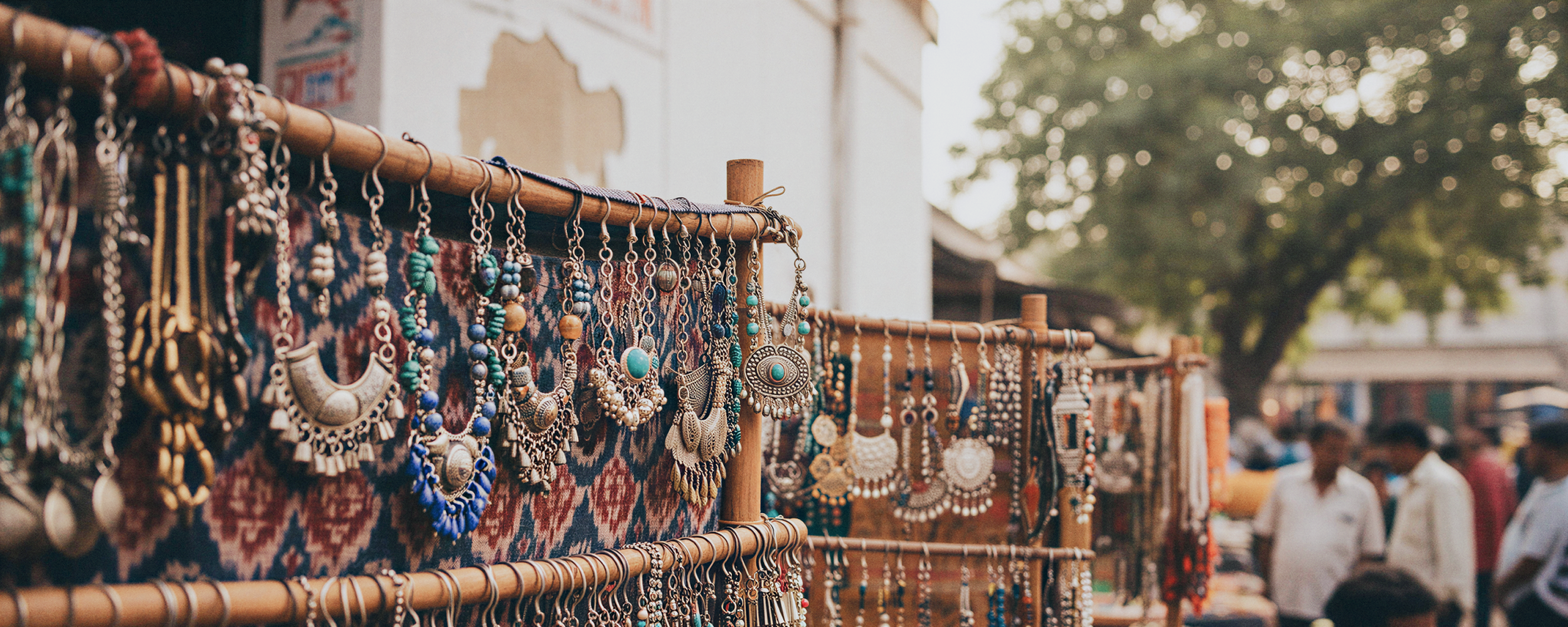
Colaba Causeway is the most visited stop in any mumbai street markets guide for international visitors. The street runs through the heart of South Mumbai’s tourist district and carries stalls selling chunky jewellery, embroidered bags, leather journals, cotton shirts, and souvenirs in a dense, lively strip. Bargaining is expected — start at 60 percent of the asking price. The market operates daily and is liveliest on weekends. A break at Leopold Cafe midway costs Rs 300 to Rs 600 per person and makes a natural rest point. Most stalls accept cash and UPI. For NRI visitors and international tourists, Mony makes UPI payments at every stall in this mumbai street markets guide seamless. Mony is a travel finance app that lets NRIs and tourists pay like locals using UPI — no foreign card fees and no declined transactions.
Chor Bazaar — Antiques and Archives in Byculla
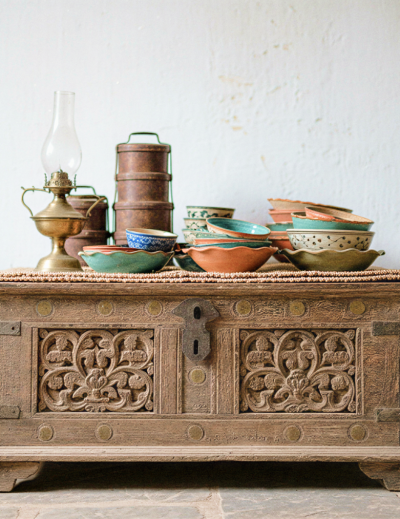
Chor Bazaar in Byculla is the most historically layered stop in this mumbai street markets guide. The market carries vintage Bollywood posters, brass lamps, colonial furniture, old cameras, and objects whose provenance is genuinely uncertain — which is part of the appeal. The name translates as “thieves’ market” but today the primary currency is nostalgia rather than notoriety. Arrive by 9:00 AM for the best selection before other buyers move through. Friday is the most active day. The nearest station is Byculla Station on the Central Line.
Linking Road — Street Fashion in Bandra
Linking Road in Bandra is the most fashion-forward section of this mumbai street markets guide. Budget street stalls selling sandals, denim, Indo-western tops, and statement bags line the pavement alongside established retail stores. Prices vary significantly between adjacent stalls — compare before buying. The market is most active in the late afternoon and evening. The nearest station is Bandra Station on the Western Line, a short walk from the main market stretch.
Crawford Market — Colonial Architecture and Wholesale Goods
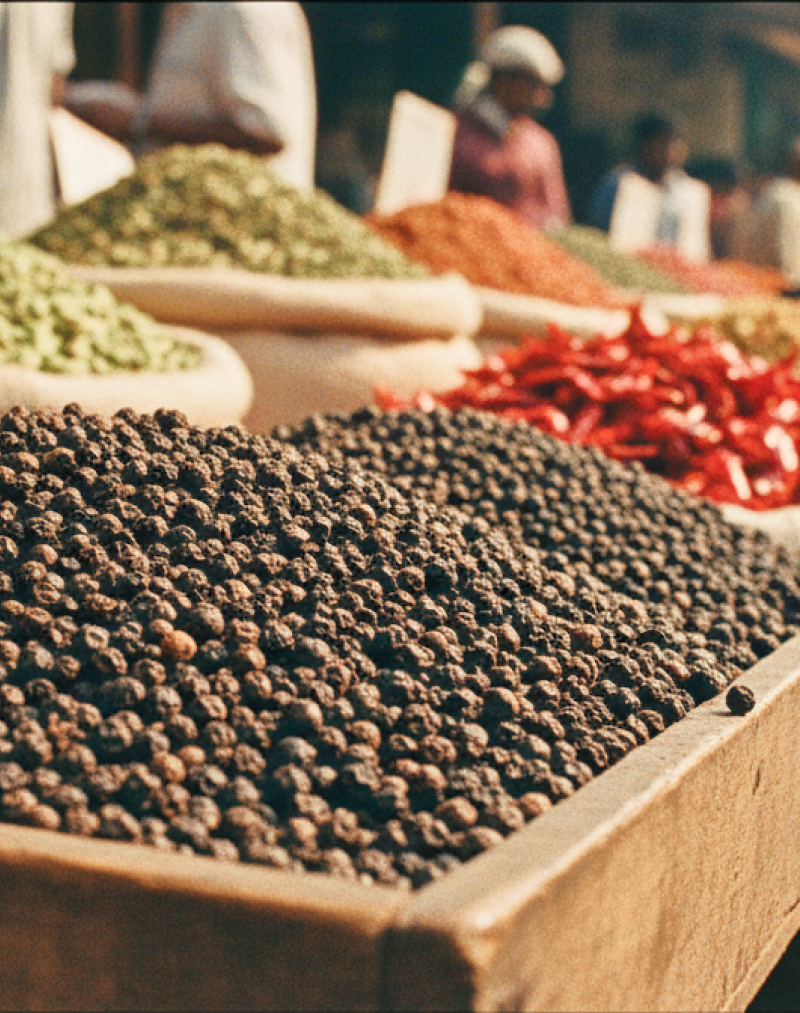
Crawford Market near CST occupies a striking colonial-era building and covers fresh produce, dry fruits, spices, perfumes, cosmetics, and homeware under one roof. The surrounding lanes extend the market considerably. Mangaldas Market nearby overflows with fabric at wholesale prices. Zaveri Bazaar, also adjacent, carries gold and imitation jewellery in a concentration that requires time to navigate properly. Dry fruits and spices from Crawford Market cost Rs 200 to Rs 800 per kilogram depending on the variety. The nearest station is CST Station on the Central and Harbour lines.
Hill Road — Bandra’s Curated Street Shopping
Hill Road in Bandra offers a more curated version of street shopping than Linking Road. Independent boutiques, export surplus stores, and street stalls mix across a stretch that suits visitors looking for contemporary Indian fashion at accessible prices. The area is most rewarding on weekday mornings when stalls are fully stocked and unhurried. Prices run Rs 300 to Rs 2,000 for most clothing items. A chai from a roadside vendor costs Rs 15 to Rs 20 and provides a natural break between shops.
Dadar Flower Market — The Most Photogenic Market in Mumbai
Dadar Flower Market is the most visually extraordinary stop in any mumbai street markets guide. The market operates from 4:00 AM and peaks between 5:00 AM and 7:00 AM when vendors sort marigolds, roses, jasmine, and lotus in quantities that are genuinely difficult to comprehend. It functions primarily as a wholesale market for florists and temple vendors. Nevertheless, retail buyers are welcome. A bunch of marigolds costs Rs 20 to Rs 50. The nearest station is Dadar Station on the Central and Western lines.
Practical Tips for This Mumbai Street Markets Guide
Wear comfortable shoes — distances between stalls add up across a full day. Carry a reusable bag, as plastic bags face restrictions across Mumbai. At most markets in this mumbai street markets guide, starting at 60 percent of the asking price is a reasonable opening for bargaining. Chor Bazaar and Dadar Flower Market reward early arrivals specifically. Most markets accept cash and UPI. For all payments across this mumbai street markets guide, Mony keeps every transaction effortless — no foreign card fees, no currency exchange, and no declined payments at smaller market vendors.






Leave a Reply