
From Flea to Fab: Mumbai’s Best Weekly Markets You Can’t Miss
Mumbai’s weekly markets reveal a side of the city that malls and monuments cannot. The best Mumbai flea markets are loud, layered, and endlessly varied — stacked with vintage furniture, handcrafted jewellery, street fashion, antique objects, and street snacks at every turn. Shopping here is as much about the experience of haggling and discovery as it is about what you actually buy. This guide covers the most worthwhile markets, with practical information for each.
Chor Bazaar — Antiques and Archives in Byculla
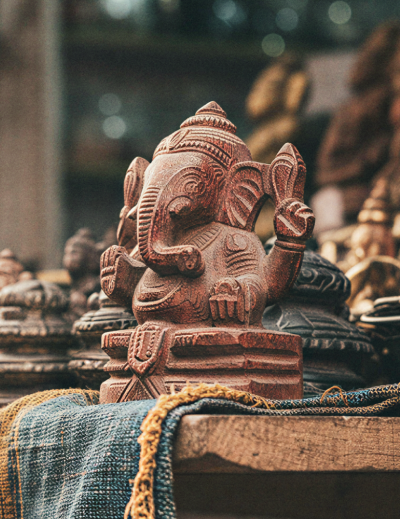
Chor Bazaar in Byculla is one of India’s oldest markets and the most historically significant of the Mumbai flea markets. Shops here carry antique furniture, vintage clocks, old coins, Bollywood film memorabilia, and objects whose provenance is genuinely uncertain — which is part of the appeal. The market runs daily, but Friday is the most active day. Arrive by 9:00 AM for the best selection before other buyers move through. Bargaining is not optional — it is the expected mode of transaction. The nearest metro station is Byculla Station on the Central Line.
Colaba Causeway — South Mumbai’s Iconic Shopping Strip
Colaba Causeway is the most accessible of the Mumbai flea markets for visitors staying in South Mumbai. Stalls line both sides of the road with bohemian jewellery, cotton shirts, leather bags, and souvenirs. The market operates daily but is liveliest on weekends. The colonial architecture of the surrounding streets and the proximity to the Gateway of India give the area a character that purely commercial districts lack. A break at Leopold Cafe on the same strip makes a natural mid-shopping stop — a meal costs Rs 300 to Rs 600 per person. Most stalls accept cash, and UPI is increasingly common.
Bandra Hill Road and Linking Road — Suburban Street Fashion
Hill Road and Linking Road in Bandra carry the energy of Mumbai’s western suburb at its most commercially active. Street stalls sell footwear, handbags, and trending outfits at prices well below boutique rates. Export-surplus stores mix with independent vendors throughout. The area suits bargain hunters and young shoppers who want current fashion at accessible prices. Both roads are reachable from Bandra Station on the Western Line, a short walk from the main market stretch.
Dadar Flower Market — Colour and Fragrance at Sunrise
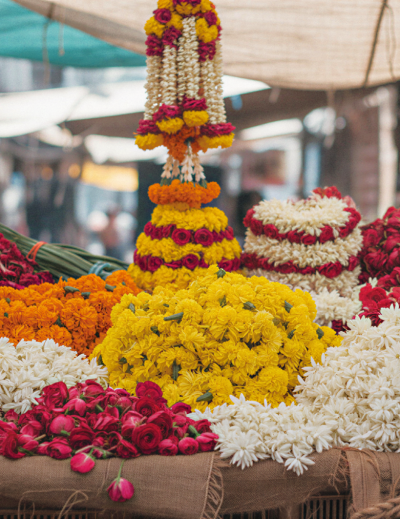
Dadar Flower Market operates in the early morning hours and functions primarily as a wholesale market for florists, temple vendors, and event decorators. However, visitors who arrive between 5:00 AM and 7:00 AM encounter one of the most visually extraordinary scenes in the city — marigolds, jasmine, roses, and lotus stacked in quantities that are almost implausible. The market is not primarily a tourist flea market, but it rewards those who treat it as an experience rather than a shopping destination. A small bunch of marigolds costs Rs 20 to Rs 50. Dadar Station on both the Central and Western lines provides easy access.
Juhu Beach Sunday Market — Casual Flea by the Sea
Juhu Beach hosts an informal Sunday market where vendors spread out trinkets, toys, secondhand books, and snacks along the shoreline. The atmosphere is relaxed and family-oriented. It combines naturally with an evening walk and street food along the beach — pani puri and bhel puri from the beach stalls cost Rs 30 to Rs 60 per serving. The market suits visitors who want low-pressure browsing rather than serious buying. Reach Juhu via cab or auto-rickshaw from Vile Parle Station on the Western Line.
Kala Ghoda Arts Markets — Handmade and Contemporary
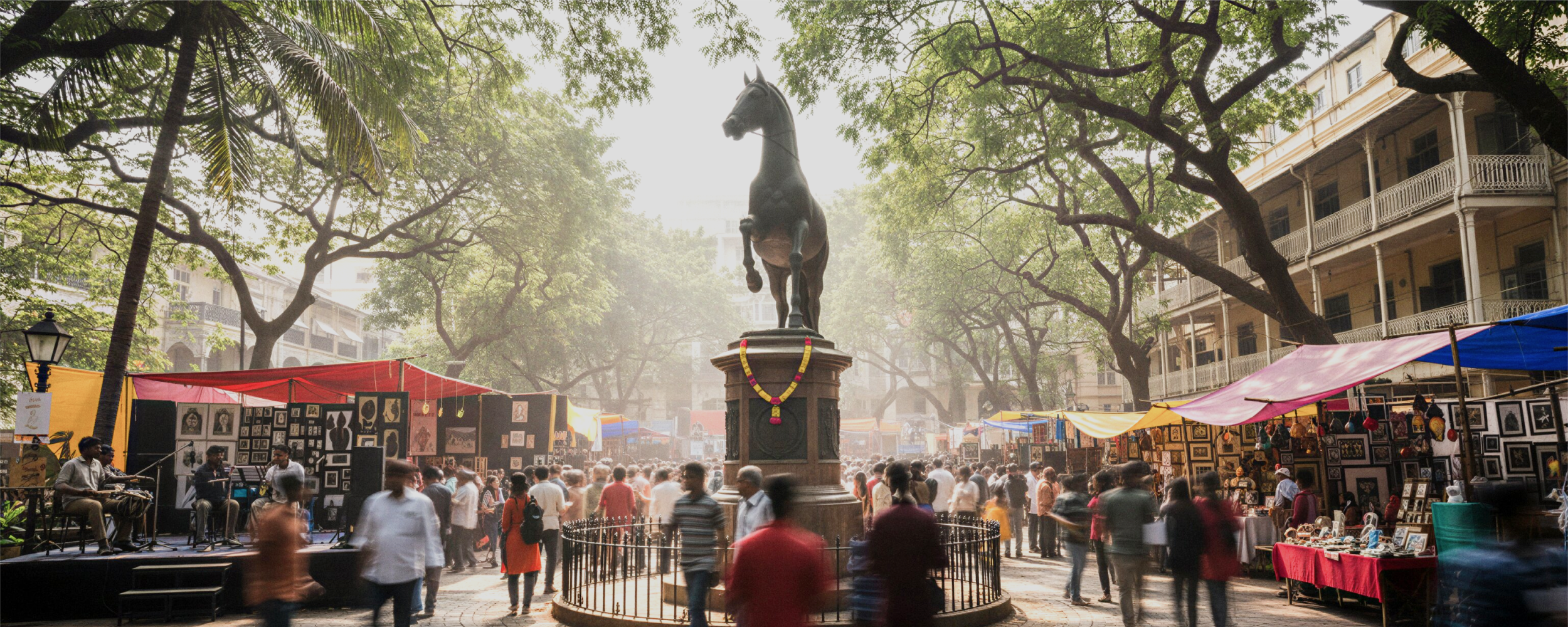
Kala Ghoda in Fort hosts art-focused pop-up markets throughout the year. The most significant event is the annual Kala Ghoda Arts Festival in February, when the historic streets transform into an open-air market selling ceramics, illustrations, handmade goods, and contemporary art. Outside the festival, smaller pop-ups operate in the same area on select weekends. These markets represent the most design-conscious end of the Mumbai flea markets spectrum, and the pieces available here are genuinely distinctive. The nearest station is Churchgate Station on the Western Line.
Santacruz West Bazaar — Fabrics and Budget Fashion
Santacruz West Bazaar is one of the less-visited but most practical of the Mumbai flea markets for fabric lovers and budget-conscious shoppers. Unstitched textiles, imitation jewellery, and everyday clothing dominate the stalls. The market is busiest midweek and on Saturdays. Several tailors operate in the surrounding lanes, which makes it a useful stop for visitors who want custom-made garments at local prices. Reach it from Santacruz Station on the Western Line, a short walk from the market area.
Paying at Mumbai’s Flea Markets
Cash remains the dominant payment method at most Mumbai flea markets, though UPI adoption has grown significantly across all of them. For NRI visitors and international tourists, Mony handles both without any friction. Mony is a travel finance app that lets NRIs and tourists pay like locals using UPI — no foreign card fees, no currency exchange complications, and no declined payments at stalls that do not process international cards. Whether you are buying a vintage clock at Chor Bazaar or a handmade ceramic at Kala Ghoda, Mony keeps the transaction simple.
Practical Tips for Market Shopping in Mumbai
Wear comfortable shoes — the distances between stalls add up across a full morning. Arrive early at Chor Bazaar and Dadar Flower Market, as both peak before 9:00 AM. At Colaba Causeway and Bandra’s street markets, starting at 60 percent of the asking price is a reasonable opening for bargaining. Carry a reusable bag for purchases, since plastic bags are restricted in Mumbai. Finally, combine markets with nearby food stops — Mumbai’s street snacks are best eaten between stalls rather than at the end of the day when energy is low.





Leave a Reply