
Leather, Lac & Love: Unique Crafts to Collect in Jaipur
Table of Contents
Jaipur’s bazaars are where Rajasthan’s craft traditions become tangible. The local crafts to buy in Jaipur span hand-embroidered leather jootis, sparkling lac bangles shaped over open flames, block-printed textiles dyed with natural pigments, and blue pottery with Persian roots. Each piece connects directly to a specific artisan community with a traceable history. This guide covers where to find the best of each craft, what to pay, and how to navigate the buying experience.
Bapu Bazaar — Leather Jootis and Embroidered Goods
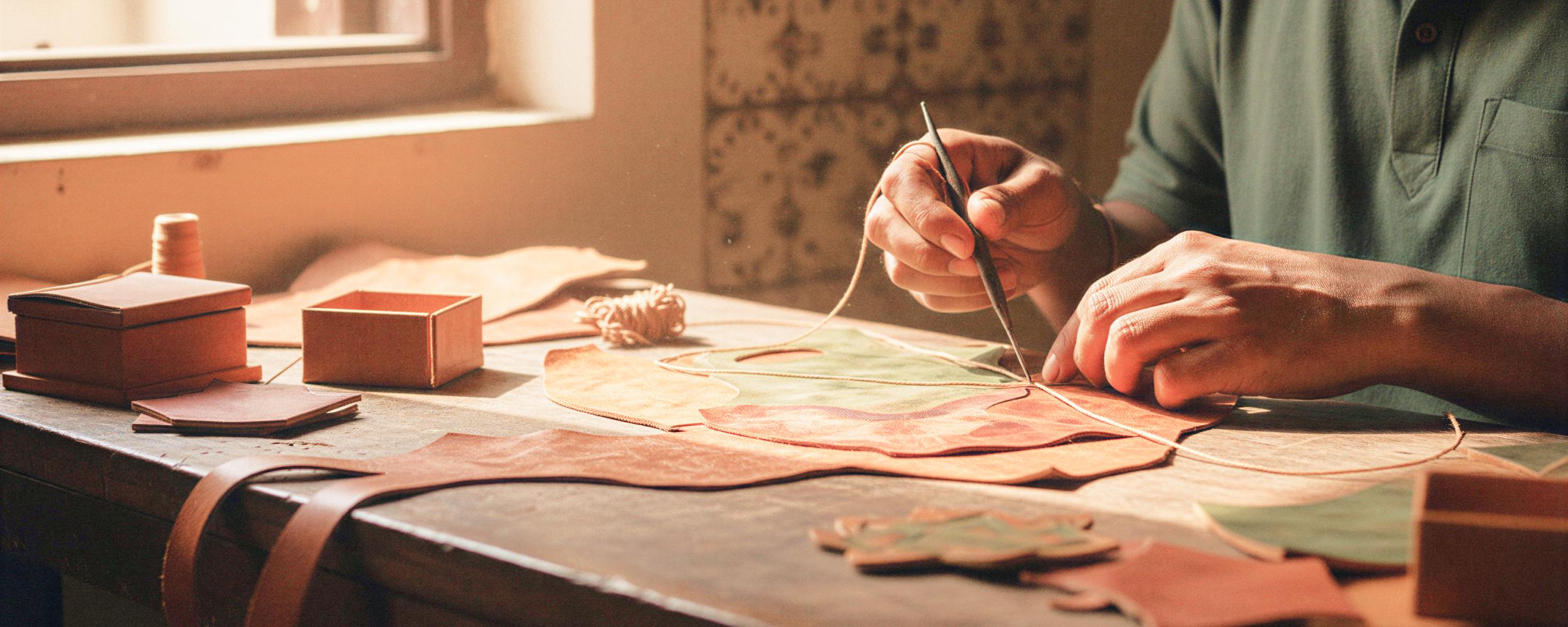
Bapu Bazaar is the primary destination for leather goods among the local crafts to buy in Jaipur. Embroidered leather jootis line the stalls in every colour combination imaginable. Handmade wallets, belts, and camel leather bags fill the rest of the lane. The market sits a 10-minute walk from Hawa Mahal and runs daily.
Jootis cost Rs 400 to Rs 1,000. Wallets and belts run Rs 300 to Rs 700. Camel leather bags cost Rs 800 to Rs 1,500. Ask artisans about custom sizing — many stalls accommodate requests for a small additional charge. Most vendors accept cash or UPI. For NRI visitors and international tourists, Mony makes UPI payments at these smaller stalls effortless. Mony is a travel finance app that lets NRIs and tourists pay like locals using UPI. Gajak and Rabri Falooda from nearby stalls cost Rs 30 to Rs 80 and make a natural mid-shopping break.
Tripolia Bazaar — Lac Bangles and Mirror Work
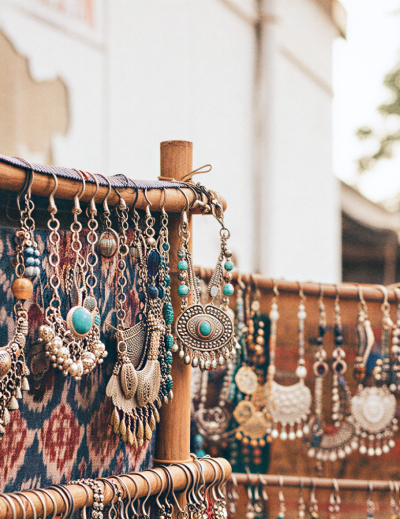
Tripolia Bazaar near City Palace is where Jaipur’s lac bangle tradition is most concentrated. Artisans shape lac — a natural resin — over open flames and embed mirrors, stones, and metal wire into the surface before the material cools. The technique is tribal in origin and centuries old. Watching the process is as worthwhile as the buying itself.
Lac bangles and kadas cost Rs 100 to Rs 600. Statement sets run Rs 400 to Rs 1,000. Mirror-inlay hair accessories cost Rs 150 to Rs 300. Bundle purchases from a single vendor to negotiate a better overall price. Hot kachoris from Samrat Restaurant nearby cost Rs 20 to Rs 30 each.
Sireh Deori — Handcrafted Gifts Opposite Hawa Mahal
Sireh Deori, directly opposite Hawa Mahal, carries a broader selection of local crafts to buy in Jaipur than its modest size suggests. Block-printed leather journals and diaries cost Rs 250 to Rs 500. Patchwork leather stools and poufs run Rs 1,000 to Rs 2,500. Puppet sets and soft toys cost Rs 200 to Rs 600.
The best pieces often sit at the back of stalls behind the more prominent display items. Consequently, taking time to look properly rewards visitors who are not in a hurry. Mony is particularly useful here, as most stalls prefer UPI or cash over foreign cards.
Rajasthan Small Industries Emporium — All Crafts, Fixed Prices
Rajasthan Small Industries Emporium on MI Road near Ajmeri Gate is a government-run store. It carries premium versions of local crafts to buy in Jaipur at fixed, non-negotiable prices. The absence of bargaining makes it particularly useful for visitors uncertain about fair market rates or who want documented authenticity for higher-value purchases.
The range covers Kota Doria fabric, blue pottery, lac items, leather goods, textiles, and wooden crafts. Prices run Rs 500 to Rs 5,000 and above. Cards are accepted reliably. After shopping, head to Rawat Mishthan Bhandar nearby for pyaaz kachori at Rs 25 to Rs 35 each.
Blue Pottery — Jaipur’s Most Distinctive Craft
Jaipur’s blue pottery uses a quartz-based clay body and Persian-derived glazing techniques. The result is cobalt blue and turquoise decorative objects with floral motifs that are entirely specific to Jaipur. The craft does not use conventional clay, which gives finished pieces their distinctive translucent quality.
Kripal Kumbh is the most established studio and showroom in the city. You can see production in progress as well as buy finished pieces. Prices run Rs 300 for small items to Rs 5,000 for larger works. The studio is open most days from 9:00 AM to 6:00 PM.
Practical Tips for Craft Shopping in Jaipur
Weekday mornings between 10:00 AM and 1:00 PM provide the best conditions — cooler temperatures, full stock, and vendors who engage more readily with buyers. At street markets, starting at 60 percent of the asking price is a reasonable opening for bargaining. Fixed-price stores like the Rajasthan Small Industries Emporium and Anokhi remove this dynamic entirely for visitors who prefer straightforward transactions.
Carry a reusable bag, as plastic bags face restrictions across Jaipur. For all local crafts to buy in Jaipur, Mony handles UPI payments at every market and stall without foreign card fees or currency exchange complications.





Leave a Reply