
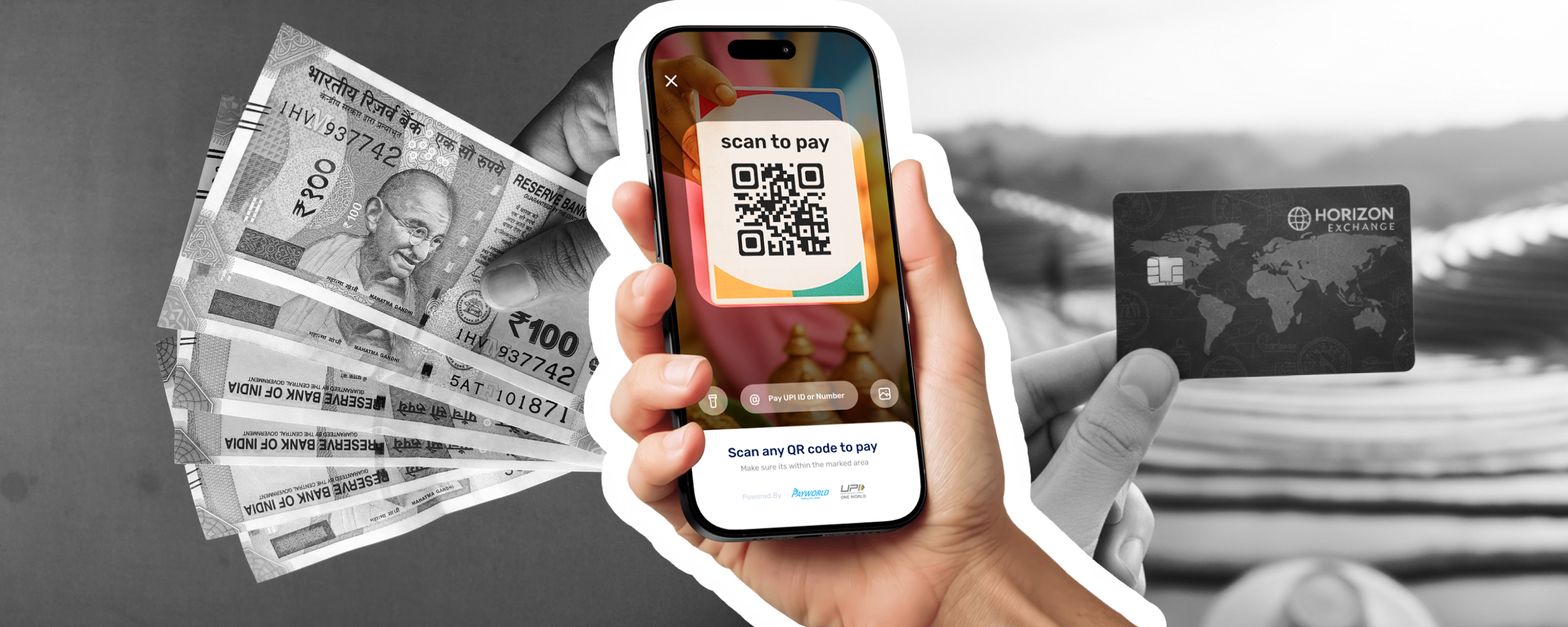
UPI vs Forex Card vs Cash: How Should You Pay in India?
When you’re planning a trip to India, figuring out how to handle money is one of those things that’s easy to overlook — until you’re standing at a counter, unsure whether to reach for your phone, your card, or your wallet.
The good news? You have options. Here’s a straightforward look at the three most common ways to pay in India, so you can decide what works best for you.
Scan-and-Pay (UPI)
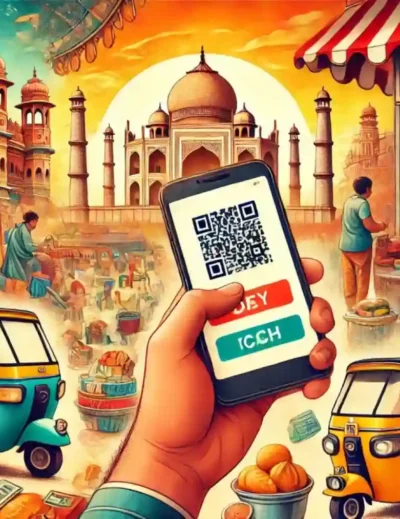
UPI — Unified Payments Interface — is how most of India pays for things today. It connects directly to a bank account and lets people send and receive money instantly, just by scanning a QR code.
For travellers, new solutions now make UPI accessible without needing an Indian bank account — which changes things considerably.
Why it works well
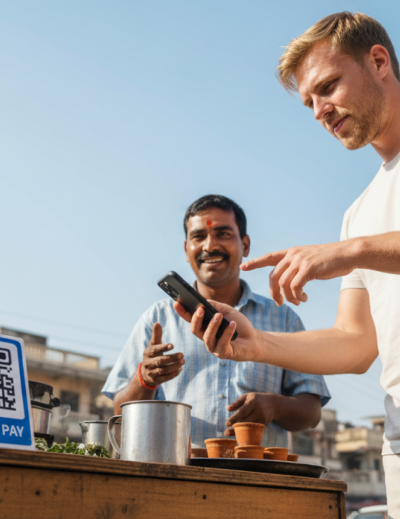
It’s accepted almost everywhere. From street food stalls to hotel lobbies, QR codes are a fixture of daily life in India. Most vendors, big or small, have one.
It’s fast and simple. Scan, enter the amount, confirm. That’s the whole process. No machines, no card readers, no waiting.
It removes a lot of travel headaches. No scrambling for exact change, no “cash only” surprises, no worrying about whether your card will be accepted.
Worth knowing
UPI is not a wallet — it works directly with a bank account, so there’s no balance to top up or manage separately. Every transaction requires confirmation, which keeps things secure.
Forex Card
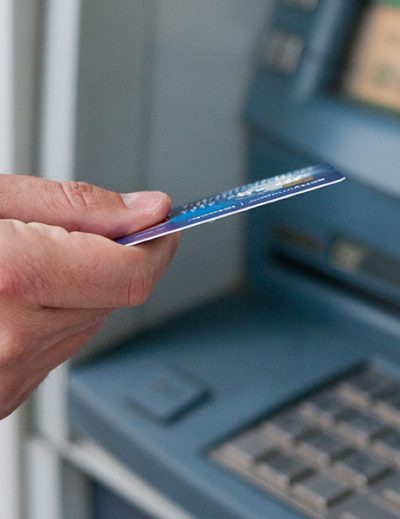
A Forex card is a prepaid travel card loaded with foreign currency before you travel. It works like a debit card and is accepted at most international merchants and ATMs.
Why it works well
It’s better than airport exchange counters. Forex cards generally offer more competitive exchange rates than you’d get converting cash at an airport or a bank counter.
It’s more secure than carrying cash. If your card is lost or stolen, you can block it. That’s peace of mind that cash simply can’t offer.
It keeps your spending organised. You load what you need, which makes it easier to budget and track expenses while travelling.
Worth knowing
Card acceptance in India isn’t universal. Plenty of smaller vendors, local markets, and rural areas don’t have card machines — so a Forex card alone won’t always get you through the day.
Cash
Cash has been the default in India for a long time, and it still has its place — particularly outside major cities.
Why it works well
It’s universally understood. Regardless of where you are or who you’re buying from, cash is always an option.
It’s useful in a pinch. Remote areas, places with patchy connectivity, or vendors without digital setups — cash fills the gaps.
It can help with bargaining. In markets and with independent vendors, paying cash upfront can sometimes work in your favour.
Worth knowing
Carrying too much cash comes with its own risks — theft, loss, and the ongoing puzzle of managing change. It’s worth having some on hand, but relying on it entirely makes for a more stressful trip.
So, What’s the Best Approach?
Honestly, most seasoned India travellers use a combination. But if there’s one thing that’s shifted the experience for visitors in recent years, it’s having access to UPI.
Being able to pay the way locals pay — by scanning a QR code — removes friction from almost every transaction. No hunting for ATMs, no card machine dramas, no change to wrangle. It’s quick, it’s easy, and it works at the chai stall just as well as it works at the hotel checkout.
The Mony app gives international travellers access to UPI without needing an Indian bank account. Wherever you are in India — exploring old Delhi, wandering through Jaipur’s markets, or checking into a homestay in Kerala — you can pay simply and confidently.
Carry a little cash as backup. Keep your Forex card handy for ATMs or larger purchases. And for everything else, let UPI do the work.
That’s how India pays. And now, so can you.








Leave a Reply