
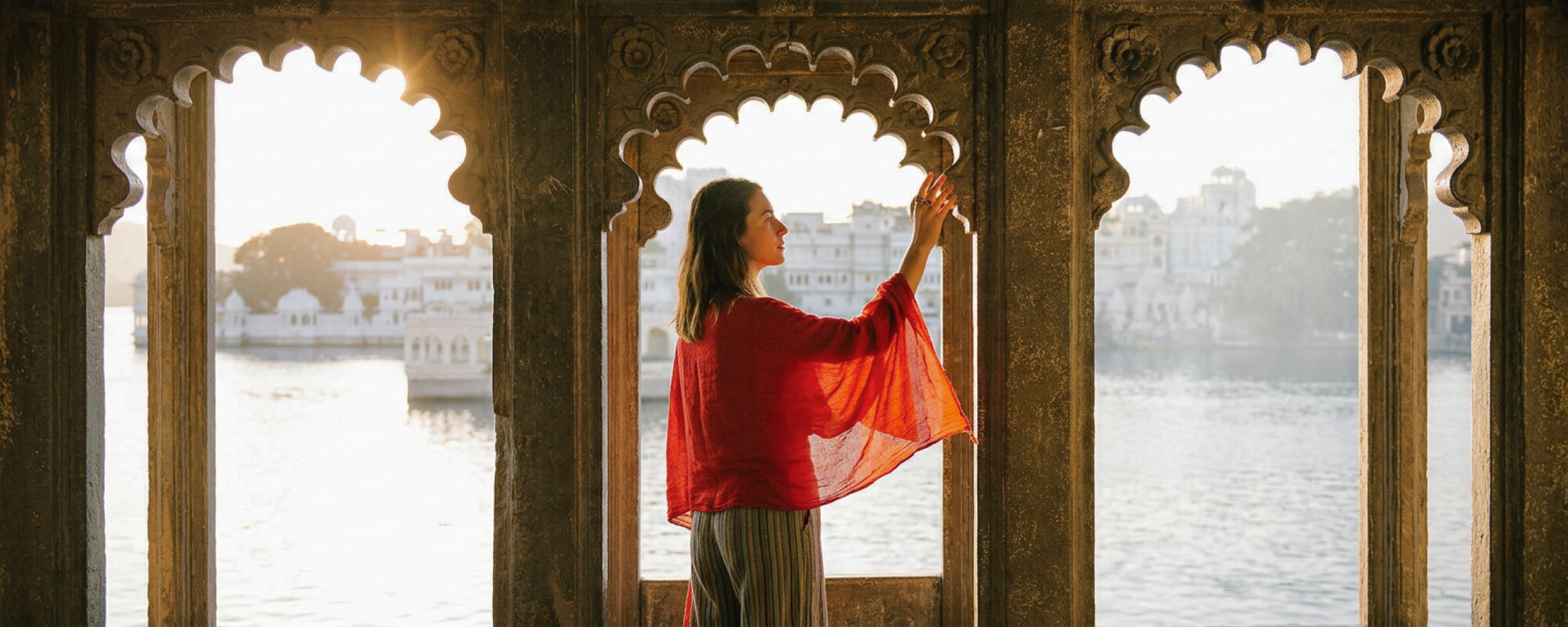
Is India Safe for Tourists? Here’s the Honest Truth (2026)
The honest answer — including what to watch out for, what the internet gets wrong, and how to protect your money.
India is one of the most searched travel destinations in the world. It’s also one of the most Googled with the word “safe” attached to it.
That tells you something — not necessarily that India is dangerous, but that travellers arrive with a lot of uncertainty. Left unaddressed, that uncertainty becomes anxiety. And anxiety becomes bad decisions.
This guide cuts through the noise. We’ll tell you what’s genuinely risky, what’s vastly overstated, and — since we’re Mony and money safety is our thing — we’ll go deep on the financial scams that catch tourists off guard, and exactly how to protect yourself.
The Short Answer
India is safe for tourists. Millions of international visitors travel through India every year — backpackers on tight budgets, luxury travellers, solo women, families with young kids, retirees — and the vast majority have incredible, life-changing experiences.
That said, India is not a risk-free destination. Petty scams, opportunistic overcharging, and crowded cities create real friction. Some areas require more awareness than others. How you carry and spend your money is one of the biggest variables in whether you feel safe or stressed throughout your trip.
Let’s go through it properly.
Is India Physically Safe?
Crime
India’s violent crime rate against tourists is low relative to its size and population. The most-visited cities — Delhi, Jaipur, Mumbai, Goa, Agra, Varanasi — have hosted international travellers for decades, and serious incidents involving tourists are rare relative to visitor numbers.
Opportunistic crime is the real concern: pickpocketing in crowded markets, bag snatching near busy transport hubs, and theft from unlocked hotel rooms. Most of it comes down to carelessness rather than danger.
What to do: Secure your passport, extra cash, and backup cards in a money belt worn under clothing, or leave them in the hotel safe. Avoid flashing expensive cameras or jewellery in crowded areas. Use ride-hailing apps like Uber and Ola instead of unmarked taxis — both offer GPS tracking and upfront fare pricing.
Scams
This is where India’s safety reputation takes the biggest hit — and where it’s most warranted. Scams targeting tourists are genuinely common in high-traffic areas. The good news: they follow the same patterns almost every time, and once you know them, they’re easy to sidestep.
The most common tourist scams in India:
- “The hotel is closed” scam: A taxi driver insists your pre-booked hotel has shut down, flooded, or been condemned — and he knows a better one (where he earns commission). Call your hotel directly. It’s almost never true.
- Gem/carpet investment scam: A friendly local steers you toward a shop claiming you can resell “export-quality” gems or textiles at home for a profit. The goods are overpriced and the resale market simply doesn’t exist.
- Auto-rickshaw meter scam: Drivers claim the meter is broken and quote a price 3–5x the normal fare. Book through Ola Auto or Uber Auto instead — app-based pricing removes the negotiation entirely.
- Fake tour guides: At major monuments, people claim to be official guides and charge far above regulated rates. Government-approved guides wear badges, and entrance gates display their official rates.
- The shortchange: Cash transactions create opportunities for shortchanging, especially when you’re unfamiliar with Indian denominations. Smaller notes are the easiest to confuse in a busy moment.
The money angle: Removing cash from the equation wherever possible is the most reliable way to avoid financial scams. Paying via UPI — scanning a QR code and entering your PIN — fixes the amount on screen before you confirm. No change to shortchange you with, no inflated quote to haggle over, no sleight of hand at the counter. UPI isn’t just convenient for tourists — it’s genuinely safer.
Road Safety
Caution is warranted here. India’s roads are chaotic by most Western standards, and road accidents cause a significant share of tourist injuries. Traffic rarely respects lane markings. Pedestrian crossings function more as suggestions than rules. Without experience on Indian roads, driving yourself is a bad idea.
What to do: Stick to app-based transport for short city trips. For longer distances, hire a driver through a reputable agency — a local behind the wheel is both safer and far less stressful. Overnight sleeper trains beat road journeys for inter-city travel almost every time.
Health
Food safety and water quality are the most relevant health concerns for visitors. Tap water is unsafe to drink anywhere in India. Stomach issues from unfamiliar food and bacteria hit most visitors in the first week — some digestive adjustment is almost inevitable.
What to do: Drink only bottled or filtered water, including for brushing your teeth. Stick to hot, freshly cooked food. The old rule — “boil it, cook it, peel it, or forget it” — still holds. Before your trip, consult a doctor about packing oral rehydration salts and a basic antibiotic for traveller’s diarrhoea.
Travel insurance covering medical treatment is non-negotiable for India. Private hospitals in major cities deliver good care, but the bills are steep without coverage.
Is India Safe for Solo Female Travellers?
One of the most common questions — and one that deserves a direct answer.
India receives a significant amount of negative international press around the treatment of women. That reporting reflects real incidents, predominantly affecting Indian women in rural areas. For international female tourists, the picture is more nuanced.
Harassment — staring, unsolicited comments, being followed in markets — happens often enough that anticipating it matters more than explaining it away. Most incidents stem from cultural unfamiliarity with solo women travellers rather than intent to harm. That doesn’t make it acceptable. Going in prepared does make it manageable.
Practical steps:
- Dress conservatively in temples, rural areas, and smaller cities. A dupatta (long scarf) covers a lot of ground and feels locally appropriate.
- Among major cities, Goa, Kochi, Mumbai, and Bangalore tend to feel more comfortable for solo female travellers. Varanasi and parts of Rajasthan call for more alertness.
- After dark, use app-based transport exclusively. Ride-hailing apps include an SOS button and live tracking you can share with someone you trust.
- Choose guesthouses with strong reviews from other solo female travellers — many hostels offer women-only dorms.
- Back your instincts. If a situation feels off, walk away.
None of this should put you off solo travel to India. Every year, thousands of women travel through India alone and come back with experiences they’d never trade. Going prepared is just going smart.
Is India Safe for Your Money?
This section gets the most attention here, because it’s where tourists tend to lose out most — not through dramatic theft, but through quiet erosion: bad exchange rates, unexpected fees, unnecessary cash, and scams that exploit unfamiliarity with the local system.
Here’s the honest breakdown.
The Cash Problem
Cash is universally accepted in India, but it’s the most expensive and most vulnerable way to pay.
Exchanging currency — at the airport, at a hotel, at a money changer — means losing 3–5% to the exchange rate markup before you’ve bought a thing. On top of that, your home bank may add a foreign transaction fee, and the Indian ATM charges its own withdrawal fee. By the time rupees reach your hands, you’ve typically paid 5–8% above the real exchange rate.
Holding cash also leaves you exposed: shortchanging at markets, the cognitive pressure of bargaining in an unfamiliar currency, and the simple risk of miscounting notes in dim light.
Cash has a role — we’ll get to that — but relying on it as your primary method costs more than most tourists realise.
The Card Problem
International credit and debit cards feel like the safe, familiar fallback. In many countries, they are. In India, their limitations catch most tourists off guard.
Cards work fine at upscale hotels, malls, and airline bookings. But India’s payments economy has largely bypassed the card network in favour of UPI. Street food vendors, auto-rickshaws, local restaurants, market stalls, and small shops mostly don’t accept cards — some estimates put card acceptance at just 20–30% of the places you’ll actually want to spend money.
Then there’s the OTP problem. Many Indian platforms require a one-time password sent to an Indian phone number to complete an online card transaction. Try booking a train on IRCTC or ordering food on Zomato with an international card, and it may simply bounce.
Watch out for Dynamic Currency Conversion (DCC) too. When a card terminal offers to charge you in your home currency instead of rupees, it always sounds helpful — and always adds 3–7% in hidden fees. Choose INR every time.
The UPI Solution
UPI (Unified Payments Interface) is India’s national digital payment system, and it has fundamentally transformed how the country handles money. Over 21 billion UPI transactions went through in January 2026 alone. Every vendor with a QR code — and most have one — accepts UPI. Street stalls, pharmacies, temple donations, train tickets, auto-rickshaws: UPI covers the places cards don’t.
Until recently, tourists had no way in. UPI required an Indian bank account and an Indian phone number — without both, you were locked out. UPI One World changed that. Launched by India’s National Payments Corporation, it lets international visitors use a prepaid wallet through approved apps without needing a local bank account at all.
Mony is one of those apps. Download it, verify your identity with your passport, load rupees using your international card, and pay anywhere in India by scanning a QR code. The exchange rate applies when you load — after that, every payment is free. No per-transaction fees, no foreign transaction markup, no shortchanging possible.
From a money safety standpoint, three things matter here:
- You carry less cash. Less cash means less exposure to theft, shortchanging, and the mental load of managing notes in an unfamiliar currency.
- Every transaction shows on screen before you confirm. The amount is fixed and visible — no ambiguity, no negotiation, no sleight of hand.
- Your full payment history is tracked. If something goes wrong, a complete digital record backs you up.
The Right Combination
No single payment method covers everything. Here’s what works best:
Primary (90% of transactions): Mony UPI — scan and pay everywhere a QR code appears, which is almost everywhere.
Backup (hotels, large bills, ATM withdrawals): A Wise or Revolut travel card. Both offer near-mid-market exchange rates and minimal fees — a significant step up from a standard bank card for international use.
Emergency reserve: ₹5,000–₹10,000 in cash, kept in a money belt. Useful for tipping, rural areas, and the occasional vendor without a QR code.
City-by-City Safety Overview
Delhi: Busy, intense, and worth every second. The most common tourist friction is in Old Delhi — persistent touts near Chandni Chowk and the Red Fort, plus the occasional airport taxi scam. Lean on the Delhi Metro wherever possible (safe, air-conditioned, cheap), book airport transfers through a pre-paid app, and Old Delhi becomes entirely manageable.
Jaipur: Generally safe and well set up for tourists. The main friction is gem and textile shop pressure — friendly locals on the street will steer you toward shops where they earn commission. Politely decline or go in knowing your budget. The Pink City’s markets are among the most rewarding in India, especially when you’re paying by UPI and not fumbling with cash.
Goa: The most relaxed safety environment in India for most tourists. A large expat community and high tourist traffic mean the infrastructure genuinely caters to international visitors. Keep an eye out for overpriced seafood restaurants on busy tourist beaches — always check the menu before sitting down.
Mumbai: Cosmopolitan, fast-paced, and safer than its reputation suggests. Pickpocketing on local trains is a real risk during peak hours — stick to the tourist-friendly Western Line and keep bags zipped. Gateway of India and Colaba attract their share of touts, but the city’s everyday normality works in your favour.
Varanasi: Spiritually extraordinary, logistically demanding. The narrow ghats lanes are disorienting, and some touts are persistent. Having your payments sorted through UPI matters most here — handling cash while emotionally overwhelmed on the ghats is a straightforward recipe for getting shortchanged.
Agra: A stunning monument surrounded by a busy scam corridor. Touts near the Taj Mahal rank among the most practised in India. Book tickets online in advance, use official entrances, and disregard anyone claiming the Taj is “closed today for VIPs.”
What’s Genuinely Gotten Better in 2026
India’s tourism infrastructure has improved significantly over the last few years. A few highlights worth knowing:
- Digital payments now work at most government sites, monuments, and railways — UPI-first ticketing at heritage sites has dramatically reduced the cash-handling friction tourists used to face.
- Ride-hailing (Uber and Ola) has made city transport dramatically safer and fairer — upfront fixed pricing has effectively eliminated the classic taxi scam.
- Tourist Police presence has grown at major sites in Delhi, Agra, and Jaipur. Look for their uniforms, and approach them directly if you feel pressured or believe you’ve been scammed.
- UPI One World expanded significantly in 2026, opening access to tourists from over 40 countries without needing an Indian bank account. January 2026 saw record transaction volumes, and the merchant network keeps growing.
The Bottom Line
India is safe for tourists who arrive prepared. The risks are real but manageable. Scams are common but predictable. Your single biggest lever for a smoother, safer trip is how you handle your money.
Arrive with Mony already set up on your phone. Pack a travel card as backup. Keep a modest cash reserve for emergencies. Then spend your mental energy on the things that actually matter — the food, the temples, the chaos, the colour — rather than counting change at a market stall.
Five minutes of setup before you fly changes how the whole trip feels.
Planning your India trip? Read our guides on how to pay in India as a tourist and what UPI is and how it works — both are useful reading before you land.



Leave a Reply