

Going to India Soon? 25 Things That’ll Save You the Confusion
The honest, practical briefing nobody gives you before you land.
India doesn’t ease you in gently. It arrives all at once — the noise, the colour, the chaos, the extraordinary kindness, and the complete sensory overload of a country that contains more diversity within its borders than most continents. First-timers often feel caught off guard. They don’t need to be. Here are 25 first time India travel tips worth knowing before you go.
Money & Payments
1. India runs on QR codes, not cards
India has leapfrogged card payments almost entirely. The dominant payment system is UPI (Unified Payments Interface) — a national digital network where people scan QR codes with their phone and money moves in under three seconds. Over 21 billion UPI transactions happen every month. From luxury hotels to a man selling coconuts by the roadside, QR codes are everywhere.
The practical upshot for tourists: your Visa or Mastercard will work at maybe 25% of the places you want to spend money. Street food, rickshaws, markets, local restaurants — all UPI or cash. If you want to move through India without friction, you need a way to pay at QR codes.
2. Tourists can now use UPI — and it takes five minutes to set up
Since 2023, international visitors can access India’s UPI network through a prepaid wallet system called UPI One World — no Indian bank account or phone number needed. Mony is one of the NPCI-approved apps that makes this possible. Download it, complete a quick KYC with your passport and visa details, load your wallet with your international card, and you’re in. From that point on, you scan QR codes exactly like locals do — same network, same merchants, zero transaction fees.
Do this before you fly. Set up Mony in the departure lounge and you’ll step off the plane ready to pay for your airport taxi, your first street breakfast, and your SIM card without fumbling for cash or getting turned away at the counter.
3. Still carry some cash — but not too much
Cash is universally accepted and useful as backup — especially for tips, very small vendors, boats, and rural areas with patchy connectivity. Keep ₹2,000–₹5,000 on you at all times alongside your Mony wallet. Don’t carry more than you need: airport exchange counters charge steep markups (3–5% over the real rate), and ATM fees stack up quickly.
Pro tip: Exchange just enough at the airport to cover your first taxi and SIM card. Get better rates at licensed forex shops in the city — look for RBI-authorised money changers in areas like Connaught Place (Delhi) or Colaba (Mumbai).
4. Your international card will get rejected more than you expect
Even when card machines exist, many Indian online platforms and some merchants require an OTP (one-time password) sent to an Indian phone number to complete the transaction. Trying to book a train on IRCTC or order food on Zomato with a foreign card often fails for this reason. Mony solves this — because it’s a UPI wallet built on India’s own payment infrastructure, it works for online bookings too, not just in-person QR code payments.
5. Tipping is appreciated but not obligatory
India doesn’t have the strong tipping culture of the US, but it’s warmly received. ₹50–₹200 for guides, drivers, and hotel staff is common. ₹20–₹50 for a porter. Restaurant bills sometimes include a service charge — check before adding more. Many service workers now have personal UPI QR codes, so you can tip digitally with Mony just as easily as with cash.
Getting Around
6. Uber and Ola work well in cities
Uber and its Indian equivalent Ola are reliable, metered, and generally safe in all major cities. They’re often cheaper than negotiating with a driver directly and eliminate fare disputes. Both apps accept UPI — so if you have Mony loaded, you can pay for rides without ever touching cash. In smaller cities and towns, autos (three-wheelers) are the dominant form of transport — always agree on a price before getting in, or insist on the meter. Most auto drivers now have a UPI QR code taped to their dashboard.
7. Train travel is one of India’s great experiences
India’s rail network is enormous and remarkably affordable. An overnight train between cities beats flying for scenery, cost, and the experience itself. Book on IRCTC (Indian Railways’ booking platform) as early as possible — popular routes sell out weeks ahead. Foreign cards frequently fail on IRCTC due to the OTP issue; paying through Mony’s UPI wallet is a much smoother experience. If you can’t book online, tourist quota tickets are available at major railway stations.
Classes to know: 3A (air-conditioned three-tier sleeper) is comfortable and popular with budget travellers. 2A (two-tier AC) is a step up. For day journeys, CC (AC chair car) is fine. Avoid unreserved class for long distances.
8. Domestic flights are cheap and plentiful
India is a big country — the distance from Delhi to Mumbai is roughly the same as London to Istanbul. IndiGo, Air India, and Vistara connect most cities, often for ₹1,500–₹4,000 ($20–$50) if booked a few weeks ahead. For longer legs of your trip, flying saves time that’s better spent on the ground.
9. Traffic is its own phenomenon
Indian roads operate on a system of informal negotiation that looks like chaos from the outside but functions as something more like improvised jazz. Horns are informational, not aggressive — a quick beep means “I’m here” rather than “you’re wrong.” Allow significantly more time than maps suggest, especially during peak hours in large cities. Delhi and Mumbai rush hours can double journey times.
Health & Safety
10. Don’t drink tap water
Stick to bottled water or filtered water throughout your trip. This applies to ice in drinks too — ask for “no ice” if you’re unsure of the source. Sealed bottled water (check the cap hasn’t been tampered with) is available everywhere for ₹15–₹30. Carry a water bottle and refill it from hotel dispensers or large sealed jugs where available.
11. Traveller’s stomach is common — prepare for it
Even cautious travellers sometimes get an upset stomach in the first week as their gut adjusts to different bacteria and spices. It usually passes within a day or two. Pack oral rehydration salts and a basic course of antibiotics prescribed by your doctor before travel. Stick to freshly cooked, piping hot food from busy stalls where turnover is high — the food is safer and better.
12. Mosquito repellent is non-negotiable
Dengue fever is present in India, particularly during and after monsoon season (July–October). Use a DEET-based repellent, especially at dawn and dusk. If you’re visiting rural areas, malaria prophylaxis may be recommended — check with a travel health clinic before you leave.
13. India is generally safe, but use common sense
Millions of tourists visit India every year without incident. Petty theft exists, as it does everywhere — keep your phone and wallet in a front pocket in crowded areas, be alert at railway stations, and be cautious of overly helpful strangers near tourist sites who are often commission-earning touts. Solo female travellers should research specific destinations in advance; cities like Kochi, Pondicherry, and Goa are considered especially welcoming.
Culture & Customs
14. Remove your shoes before entering temples and homes
This is a firm rule, not a suggestion. Most temples, mosques, and many guesthouses will expect you to leave your shoes at the entrance — look for the rack of footwear outside. Socks are fine. In some sites shoes are checked for a small fee (₹5–₹20); this is one of the few places where having a handful of small cash still beats a QR code.
15. Dress modestly at religious sites
Cover your shoulders and knees when visiting temples, mosques, gurudwaras, and churches. Many sites provide wraps or sarongs at the entrance for visitors who arrive underprepared. Carry a light scarf or shawl as a versatile cover-up — it doubles as sun protection and is widely useful throughout the trip.
16. The head wobble means many things
The famous Indian head wobble — a side-to-side tilt — is one of the most misread gestures in cross-cultural travel. It can mean yes, I understand, thank you, or simply “I am listening.” It is almost never a no. When in doubt, follow up with a direct verbal question. You’ll get used to reading it in context within a day or two.
17. Food customs vary by region — and by religion
India is overwhelmingly diverse in its food culture. Many Hindus don’t eat beef; many Muslims don’t eat pork; many communities are vegetarian. In some households and temples, onion and garlic are also avoided. Restaurants are clearly marked as “pure veg” or non-veg. Don’t assume — if you’re unsure about an ingredient, just ask. Indians are used to dietary questions and will answer patiently.
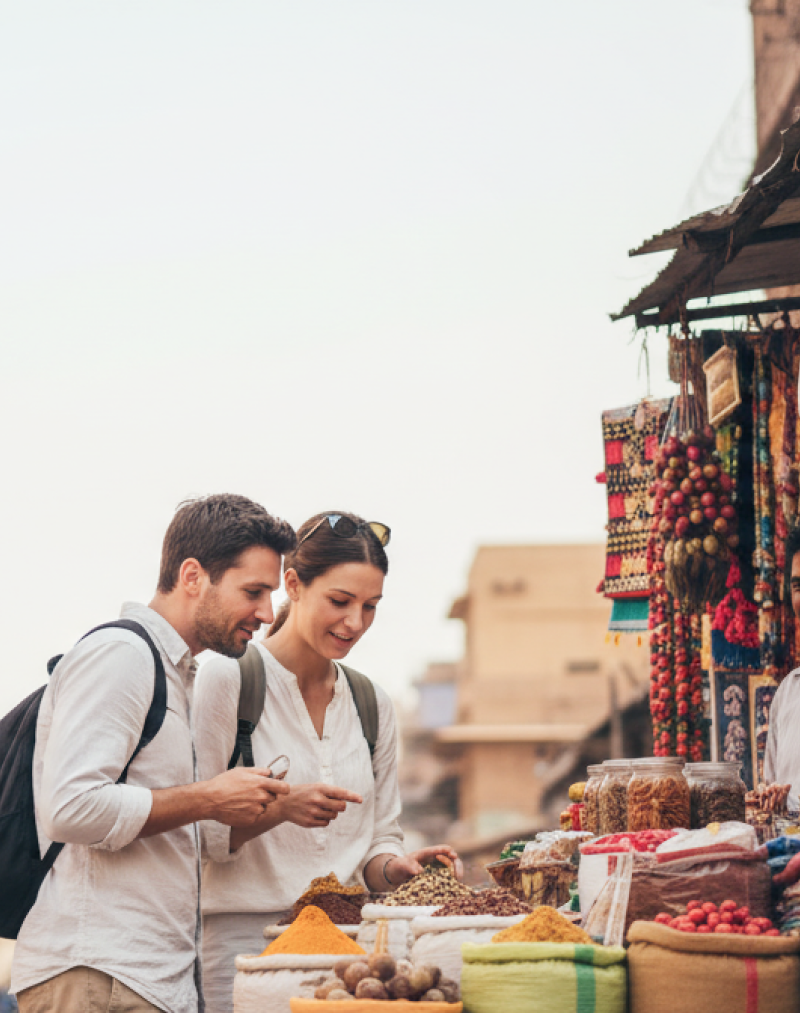
18. Bargaining is normal in markets — not in restaurants or malls
At street markets, bazaars, and independent shops, gentle negotiation is expected and part of the experience. Start at roughly half the asking price and find a middle ground. Don’t bargain aggressively over very small amounts — ₹50 is real money to a street vendor. Once you’ve agreed on a price, most market vendors will happily take payment via UPI. At established restaurants, malls, and chain stores, prices are fixed and bargaining is inappropriate.
Practical Logistics
19. Get a local SIM card at the airport
Indian mobile data is extraordinarily cheap — a local SIM with 1–2GB per day costs around ₹300–₹600 ($4–$7) for a month. Airtel and Jio are the two best networks. You’ll need your passport and visa to register. A local number makes navigation, translation, and staying connected far easier — and it also means your Mony app has strong data connectivity for payments wherever you go.
20. Book accommodation in advance for popular destinations
India’s tourist circuit is well-developed but can fill up fast, especially during peak season (October–March) and around major festivals. Book Jaipur, Varanasi, and Goa well ahead. In smaller or off-season destinations, you can often find good stays on arrival, but having at least the first night confirmed reduces stress considerably. Most hotels and guesthouses across India accept UPI at checkout — Mony works just as well for a ₹8,000 hotel bill as it does for a ₹30 chai.
21. Power cuts happen — carry a power bank
Even in major cities, brief power outages occur. More practically, India is hot and your phone battery will drain faster than usual — navigating, paying via Mony, translating menus, and staying connected all run down the battery quickly. A power bank is not optional; it’s essential. Most shops sell them for ₹500–₹1,500, and you can pay for one with Mony the moment you land.
22. India’s seasons matter enormously
The best time to visit most of India is October to March, when temperatures are manageable and skies are clear. Summer (April–June) brings brutal heat, especially in the north and centre. Monsoon season (July–September) transforms the landscape dramatically — the country goes lush and green, prices drop, and crowds thin, but flooding and disrupted transport are real possibilities. Kerala and Goa during monsoon can be magical if you plan carefully.
Food & Experience
23. Street food is not something to avoid — it’s something to seek out
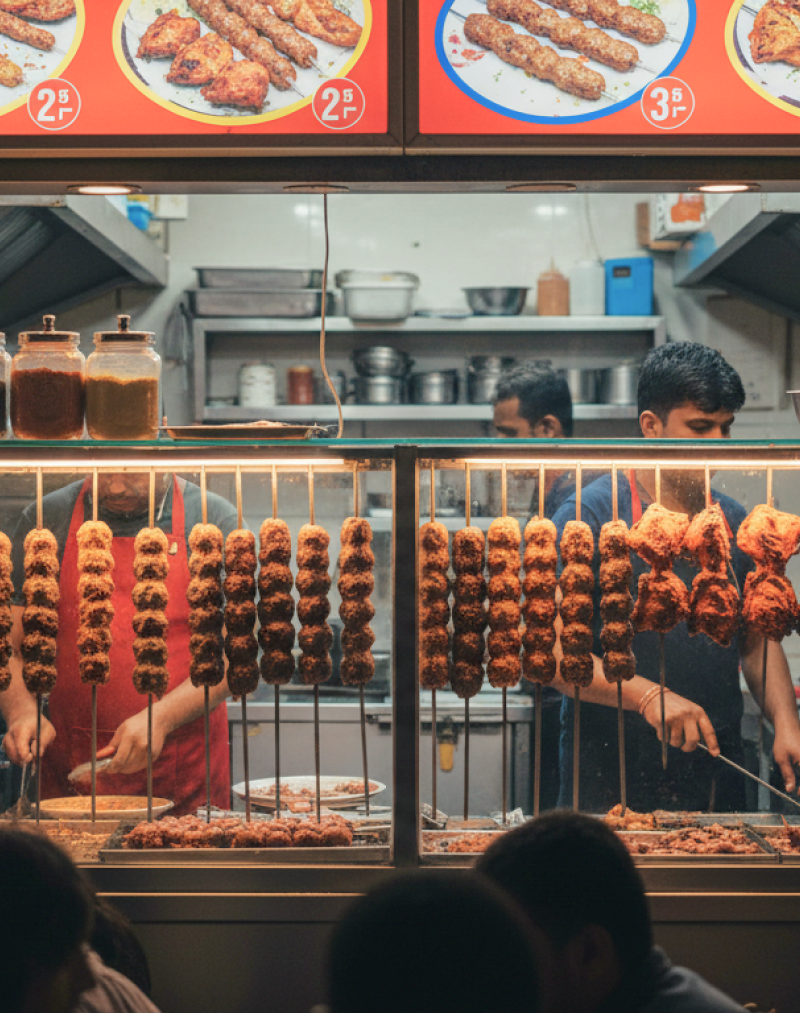
Some of the best food in India is served from carts and stalls for ₹30–₹100 a plate. The rule isn’t to avoid street food — it’s to choose it wisely. Look for stalls with high turnover, food cooked fresh in front of you, and a crowd of locals. Pani puri in Delhi, vada pav in Mumbai, dosas in Chennai, kathi rolls in Kolkata — these aren’t consolation prizes, they are the point. Nearly all of these vendors accept UPI, so with Mony you can eat your way through a city without ever needing to break a note.
24. India is not one place — it’s dozens
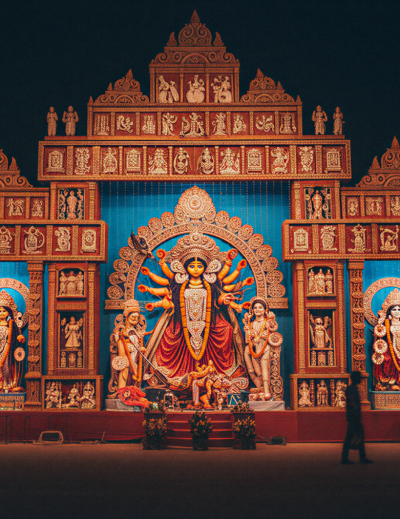
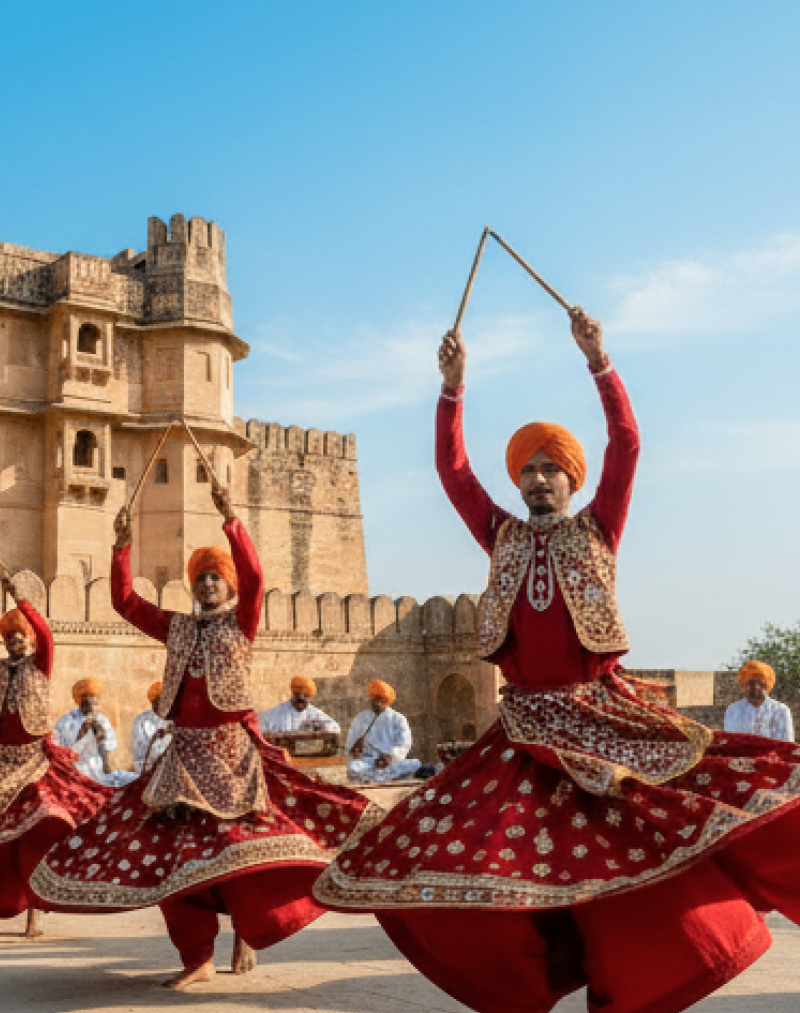
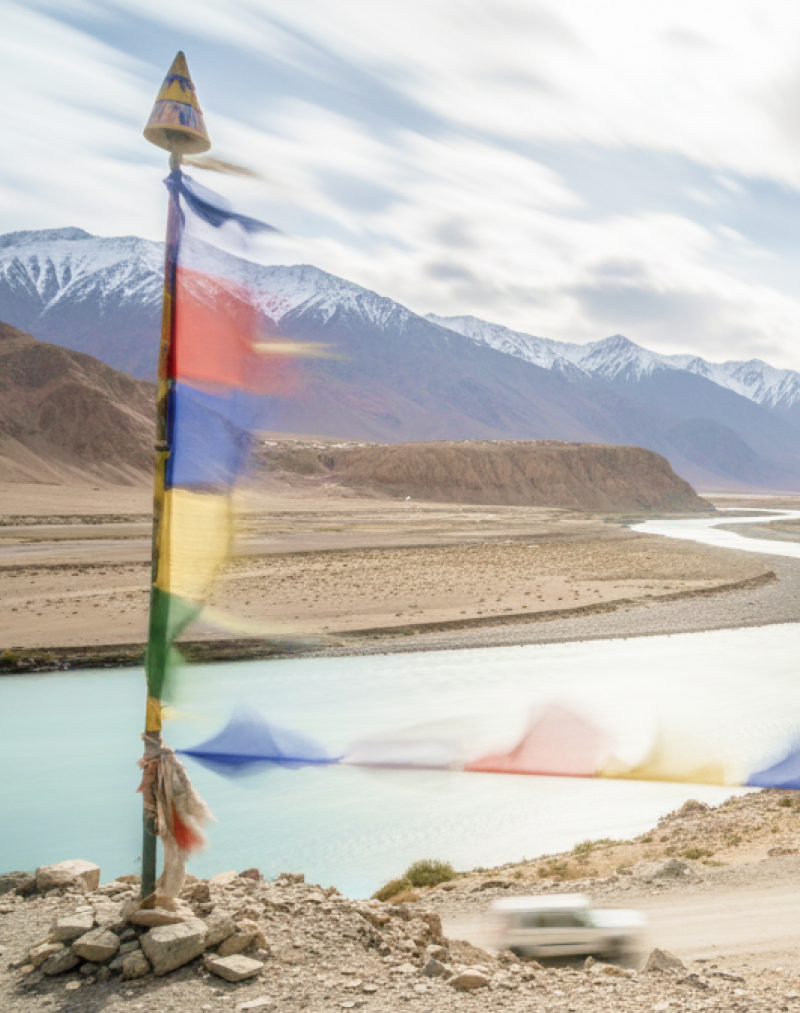
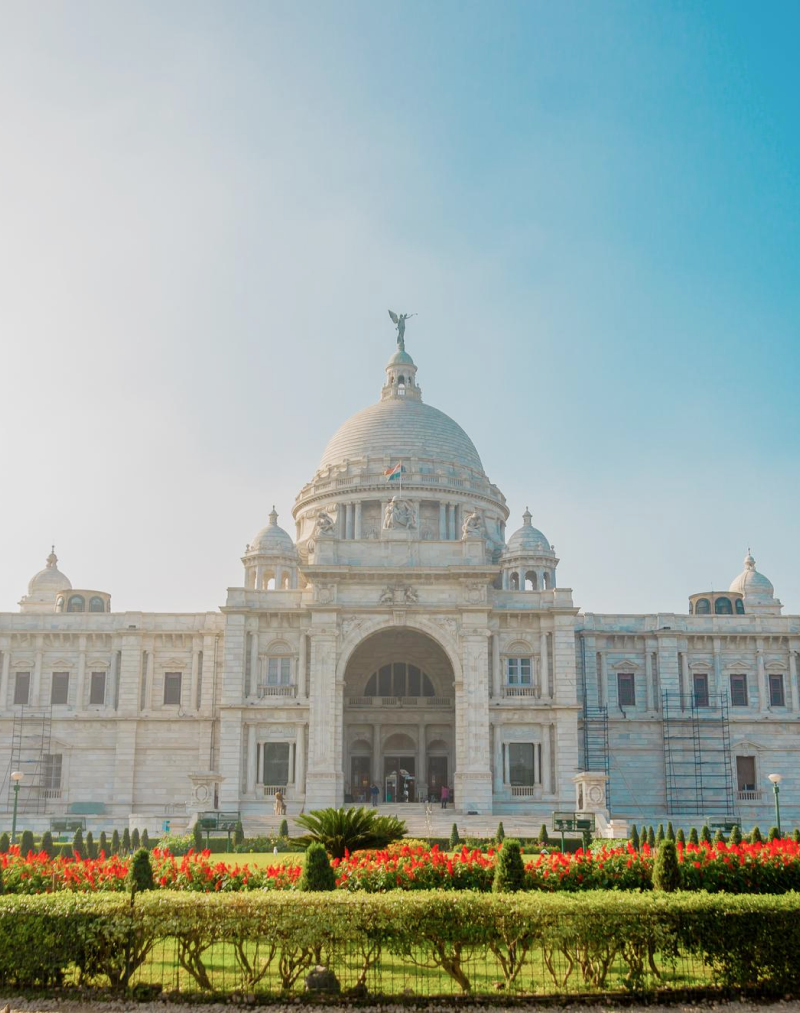
The food, language, architecture, religion, dress, and daily rhythms of Kerala bear almost no resemblance to those of Rajasthan, which in turn are nothing like Kolkata or Goa. Tourists who arrive expecting a single “India experience” often feel overwhelmed or disappointed. Pick two or three regions, go deep, and leave time to slow down. The Golden Triangle (Delhi–Agra–Jaipur) is a popular entry point, but the south — Kerala backwaters, Tamil Nadu temples, Pondicherry — rewards those who make the journey. Wherever you end up, the payment infrastructure is the same: Mony works at QR codes across all of it.
25. Slow down more than you think you need to
First-timers routinely try to cover too much ground. India is not a country that rewards being rushed. The best moments — a conversation with a chai vendor, watching the evening aarti on the Ganges, getting genuinely lost in a bazaar — happen when you’re not sprinting between monuments. Build buffer days into your itinerary. Miss something. India will reward you for it.
One last thing
India will almost certainly not go the way you planned. A train will be delayed. A restaurant will be inexplicably closed. Something extraordinary will happen that wasn’t in the guidebook. The travellers who leave India head over heels are almost always the ones who stopped fighting that reality and started leaning into it. Go with an open itinerary, a full power bank, and Mony already loaded on your phone — and let the country do the rest.






Leave a Reply