
India Cultural Dos & Don’ts: What Every Tourist Should Know Before They Go
India is one of those destinations that gets under your skin in the best possible way. The colors, the chaos, the kindness of strangers, the food that makes you rethink everything you thought you knew about flavor — it’s a lot, in the most wonderful sense.
But India is also a country with deeply rooted traditions, regional customs, and social nuances that can catch first-time visitors off guard. The good news? You don’t need a PhD in Indian culture to be a respectful, welcome guest. A little awareness goes a long way — and locals genuinely appreciate the effort.
Here’s your friendly, no-judgment guide to the cultural dos and don’ts that’ll make your trip smoother, richer, and more meaningful.
Shoes & Sacred Spaces
✅ DO: Take your shoes off at the entrance
This is probably the most universal rule across India. Temples, mosques, gurudwaras, many homes, and even some shops will have you remove your shoes before entering. Look for a pile of footwear at the door — that’s your cue.
✅ DO: Wear socks if you’re squeamish
Temple floors can be hot, cold, or just well-worn. A pair of socks you don’t mind dirtying is a smart travel hack.
❌ DON’T: Walk into a place of worship with shoes on
Even if no one stops you, it’s considered deeply disrespectful. When in doubt, take them off.
Dress Respectfully
✅ DO: Cover up at religious sites
Both men and women should cover their shoulders and knees when visiting temples, mosques, gurudwaras, and churches. Many sites offer wraps or scarves to borrow at the entrance — but having a light scarf or shawl in your bag is always a good idea.
✅ DO: Dress modestly in smaller towns and rural areas
India’s cities (especially Mumbai, Bangalore, and Delhi) are cosmopolitan and fairly relaxed about clothing. Smaller towns and villages are more conservative. Reading the room goes a long way.
❌ DON’T: Stress too much in beach destinations
Places like Goa, Varkala, and the Andaman Islands are used to international tourists and swimwear is totally fine on the beach. Just throw on a cover-up when you step into a restaurant or market.
Greetings & Body Language
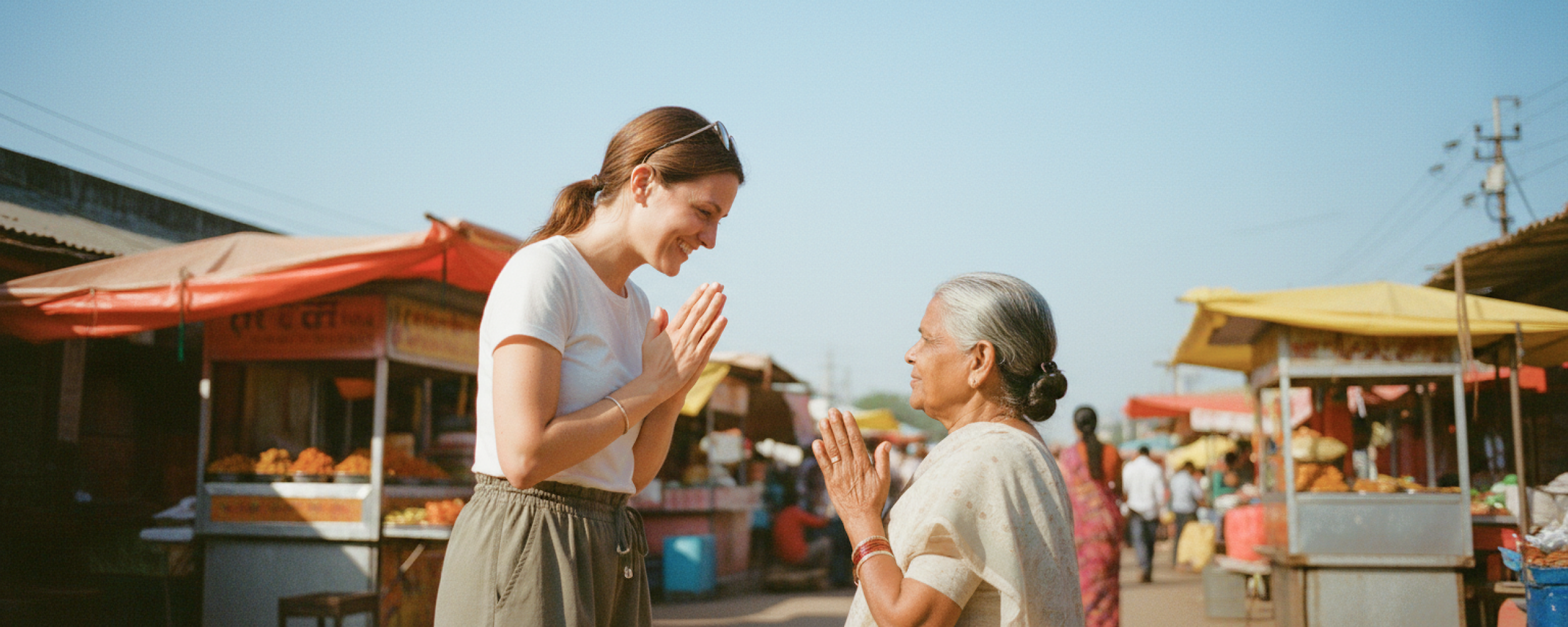
✅ DO: Use “Namaste” — it genuinely lands well
Pressing your palms together and saying namaste (nah-mah-stay) is a universally warm greeting across India. It’s respectful, it’s appreciated, and locals will often light up when a tourist uses it.
✅ DO: Use your right hand for giving and receiving
Whether you’re handing over money, accepting food, or passing something to someone, the right hand is the preferred hand. The left hand is traditionally considered impure in many Indian customs.
❌ DON’T: Touch someone’s head
The head is considered sacred in Hindu culture. Patting a child on the head — common in many Western cultures — can be seen as inappropriate. Stick to a smile or a wave.
❌ DON’T: Point with your finger
Pointing directly at a person with your index finger is considered rude. Use an open hand or nod in the direction instead.
Food, Eating & Hospitality
✅ DO: Accept food or chai when it’s offered
If you’re invited into someone’s home or a shopkeeper offers you tea, accepting it is a sign of goodwill. Refusing can sometimes come across as cold or dismissive. You don’t have to finish everything — just the gesture of accepting matters.
✅ DO: Eat with your right hand if eating with your hands
In many parts of India, eating with hands is the norm and is considered the “proper” way to enjoy certain foods. If you try it, use your right hand.
❌ DON’T: Assume vegetarian means vegan
India has an incredible vegetarian food culture, but dairy — especially ghee, paneer, and yogurt — is used extensively. If you’re vegan, ask specifically: “Does this have milk, ghee, or paneer?”
❌ DON’T: Offer beef to someone without checking first
Cows are sacred in Hinduism, and beef is off the menu for many Indians. It’s available in some urban restaurants and non-Hindu communities, but it’s something to be aware of in social situations.
Temples & Religious Sites
✅ DO: Dress modestly and move quietly
Temples are active places of worship, not just tourist attractions. Move calmly, speak softly, and be mindful that people around you may be praying.
✅ DO: Ask before photographing people or rituals
Many people are happy to be photographed, but always ask first — especially during ceremonies, prayers, or in more rural settings. A smile and a mime of holding a camera usually does the trick.
❌ DON’T: Enter certain temple inner sanctums
Some temples restrict entry to non-Hindus, particularly the innermost shrine. Signage is usually posted, but if you’re unsure, ask a local or temple staff member.
❌ DON’T: Touch statues or offerings without permission
Religious idols and prasad (offerings) are sacred. Admire from a respectful distance unless you’re invited to participate.
Social Situations
✅ DO: Be patient with “personal” questions
Indians are famously warm and curious. Strangers may ask your name, where you’re from, whether you’re married, or what you do for work — all within the first two minutes of meeting you. It’s genuine friendliness, not intrusiveness.
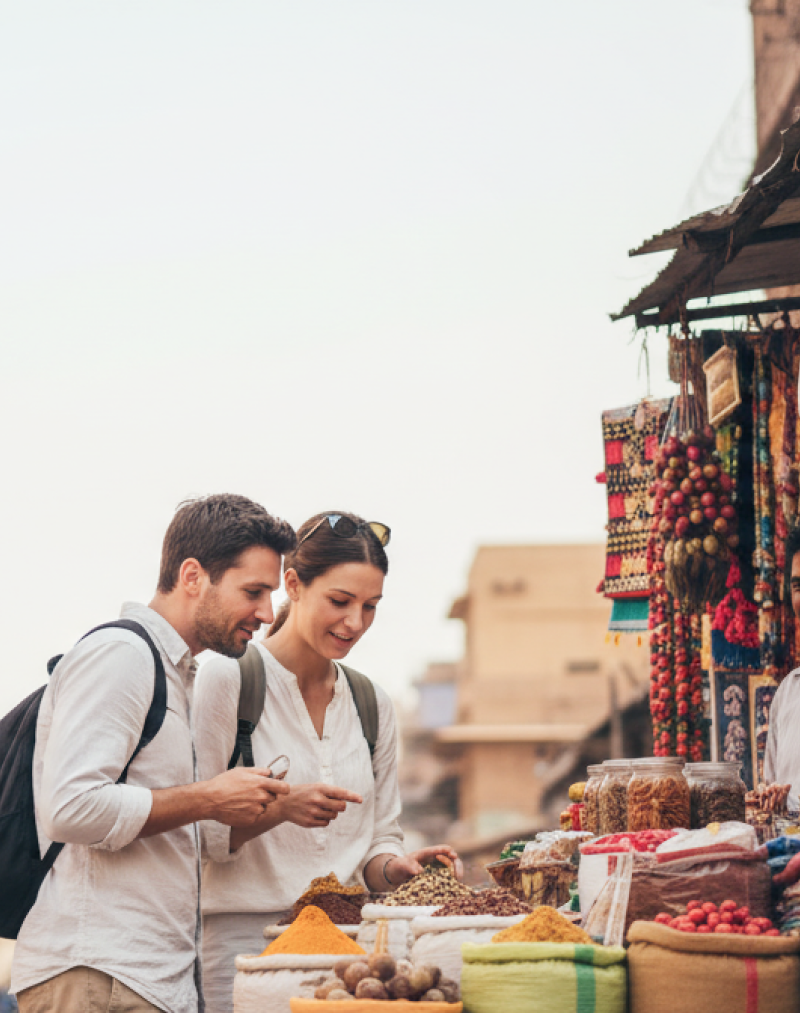
✅ DO: Bargain at markets (but kindly)
Haggling is expected and enjoyed at street markets and bazaars. Start lower than you want to pay, smile throughout, and remember — it’s meant to be fun, not a battle.
❌ DON’T: Show open affection in public
Kissing or strong physical affection between couples in public is generally frowned upon, especially outside major cities. Holding hands is usually fine.
❌ DON’T: Lose your temper in public
Keeping a calm, good-humored demeanor — even when things go wrong, delayed, or confusing — earns enormous respect. Indians are masters of jugaad (creative problem-solving), and so is the best travel mindset.
A Final Thought
India will surprise you, challenge you, and quite possibly change you. The cultural “rules” here aren’t obstacles — they’re invitations to connect more deeply with one of the world’s oldest and most layered civilizations.
Go with curiosity, lead with respect, and don’t be afraid to ask when you’re unsure. Most people will be touched that you cared enough to ask in the first place.
Safe and wonderful travels. 🙏
Planning your trip to India? Explore more guides and tips at Mony Blogs.


Leave a Reply