
Eating in Pondicherry: Everything You Need to Know Before Your First Bite
There’s something almost magical about eating in Pondicherry. One moment you’re sitting cross-legged on a banana leaf, scooping up spiced lentils with your fingers, and the next you’re tucking into a buttery croissant at a sun-drenched French Quarter café. That contrast — raw, vibrant Tamil flavors colliding with laid-back Francophone charm — is exactly what makes eating in Pondicherry unlike anywhere else in India.
Whether you’re a street food adventurer, a sit-down-and-savor type, or somewhere in between, Pondicherry has a seat at the table for you. So let’s dig in.
Why Eating in Pondicherry Is Genuinely Special
Most coastal Indian cities offer great seafood. Many South Indian towns serve exceptional thalis. But eating in Pondicherry? It gives you all of that and throws in a rich French colonial history that has quietly shaped everything from its café culture to its wine selection.
The result is a food scene that feels layered and lived-in. Tamil home cooking sits comfortably alongside boulangeries and bistros. Local fishermen sell their catch just streets away from restaurants plating it with beurre blanc. It’s not fusion for the sake of novelty — it’s just the natural outcome of two cultures sharing the same town for centuries.
The Must-Try Foods When Eating in Pondicherry
South Indian Classics You Can’t Miss
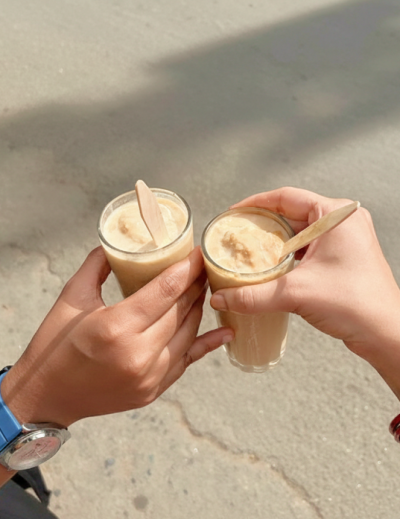
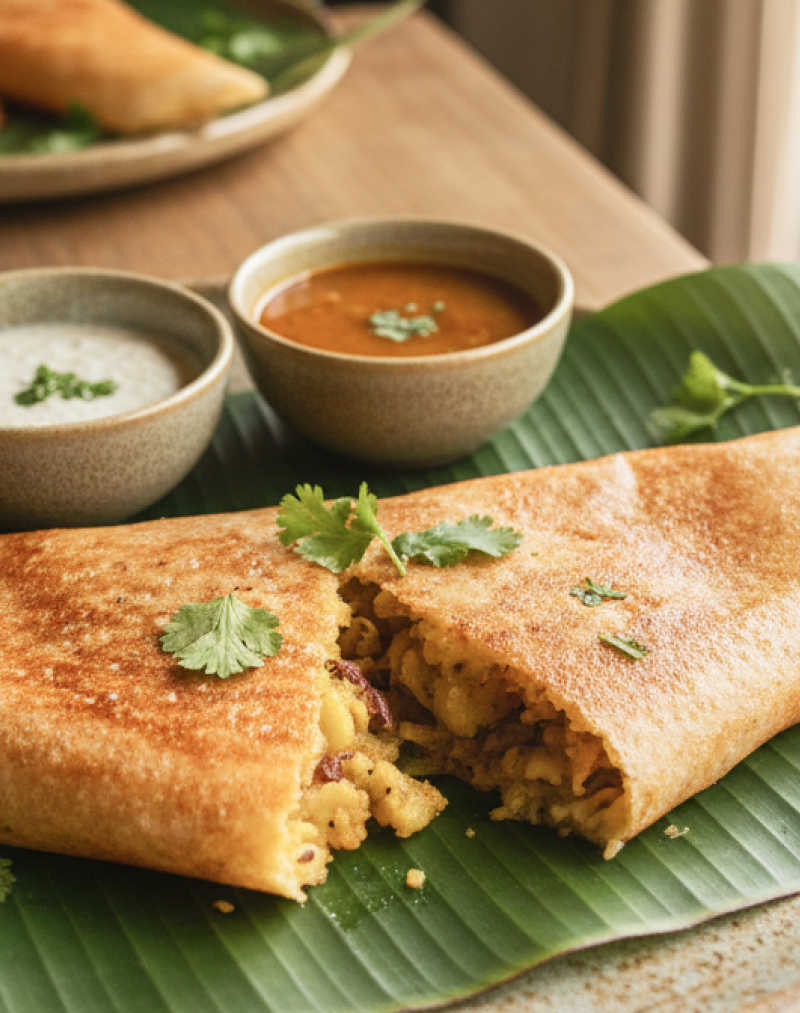
Before anything else, you need to experience Pondicherry’s take on South Indian staples. The idli, dosa, and sambar here carry a distinctly Tamil flavour profile — earthier, spicier, and more aromatic than what you might find further north. Don’t skip the filter kaapi (filter coffee) either; it’s thick, frothy, and absolutely non-negotiable.
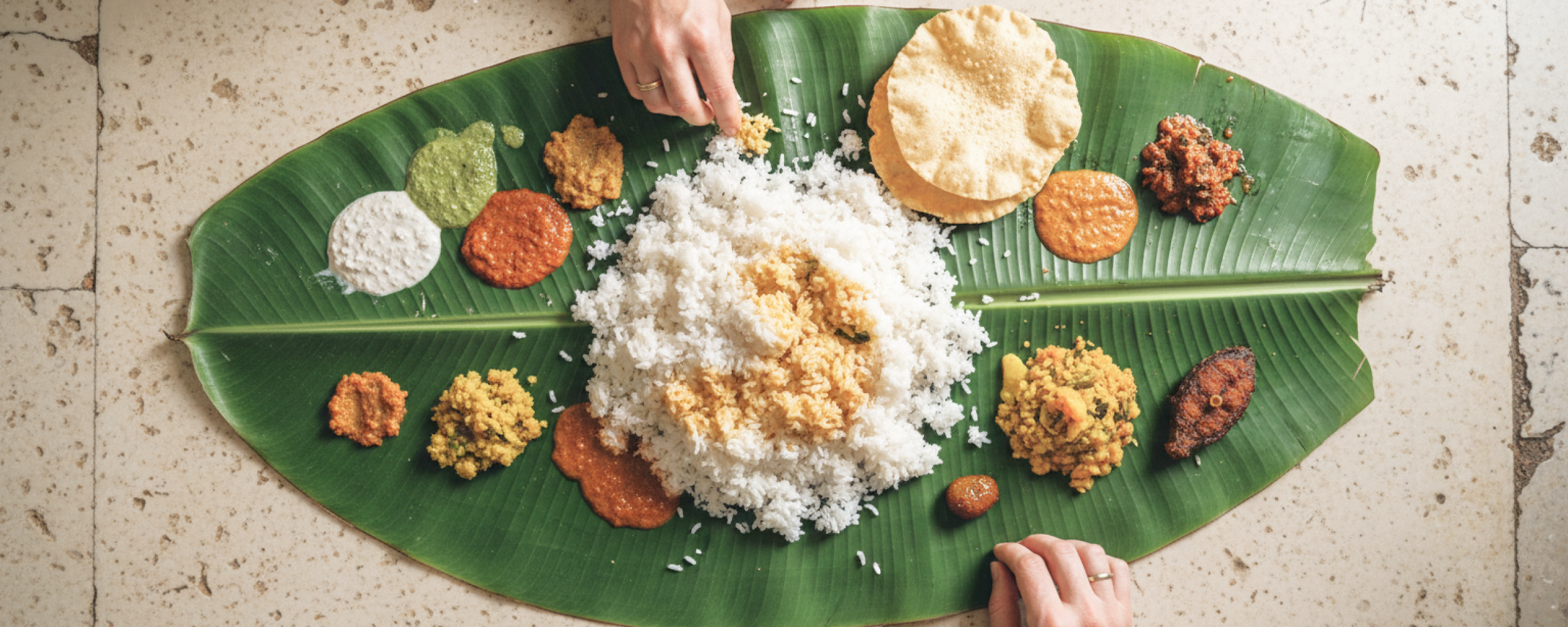
Equally essential is the banana leaf meal, locally called a saapadu. Served on a fresh banana leaf, this multi-course spread typically includes rice, rasam, sambar, kootu, appalam, and a rotation of curries and chutneys. For a modest price, it’s one of the most satisfying eating experiences the town has to offer — and the etiquette is half the fun.
French-Influenced Bites Worth Trying
Strolling through the French Quarter (officially the Ville Blanche), you’ll quickly notice that the café culture here isn’t just for tourists. Locals genuinely love their morning pastries and leisurely brunches. Look out for:
- Croissants and pain au chocolat — baked fresh daily at several heritage bakeries
- Crêpes — often served sweet with banana and honey, or savoury with local fillings
- Baguettes — still baked the traditional way in a few spots around the White Town
These aren’t pale imitations, either. Thanks to decades of practice and genuine culinary tradition, the baked goods here hold their own.
Fresh Seafood You Simply Cannot Skip
Given that Pondicherry sits right on the Bay of Bengal, fresh seafood is both abundant and outstanding. Grilled fish, prawn masala, crab curry, and squid fry are staples across everything from beachside shacks to upscale restaurants.
Particularly worth seeking out is fish curry rice — a Pondicherry soul food of sorts. Tangy, coconut-forward, and fiery in the best way, it’s the kind of dish that makes you want to push your plate forward for seconds immediately.
Where to Go When Eating in Pondicherry
Cafés and Brunch Spots in the French Quarter
The White Town is home to some of Pondicherry’s most charming eating experiences. Tucked behind bougainvillea-draped walls and pastel-painted heritage buildings, cafés here tend to offer relaxed, garden-style seating, strong coffee, and menus that effortlessly blend East and West.
These spots are perfect for slow mornings, long lunches, or late-afternoon snacking with a good book. Expect to pay more than you would at a local eatery, but the ambience alone is worth every rupee.
Local Restaurants in Tamil Pondicherry
Cross over into the Tamil Quarter (the Ville Noire), and eating in Pondicherry takes on a completely different feel. Busy mess halls and no-frills restaurants serve up enormous, authentic meals to local workers and families. The food is fast, generous, and priced for everyday life.
This is where you’ll find the best banana leaf meals, the most genuine filter coffee, and the kind of cooking that doesn’t perform for anyone — it just tastes incredible. Arrive early, especially for lunch, as popular spots fill up fast.
Beachside Shacks for Evening Eating in Pondicherry
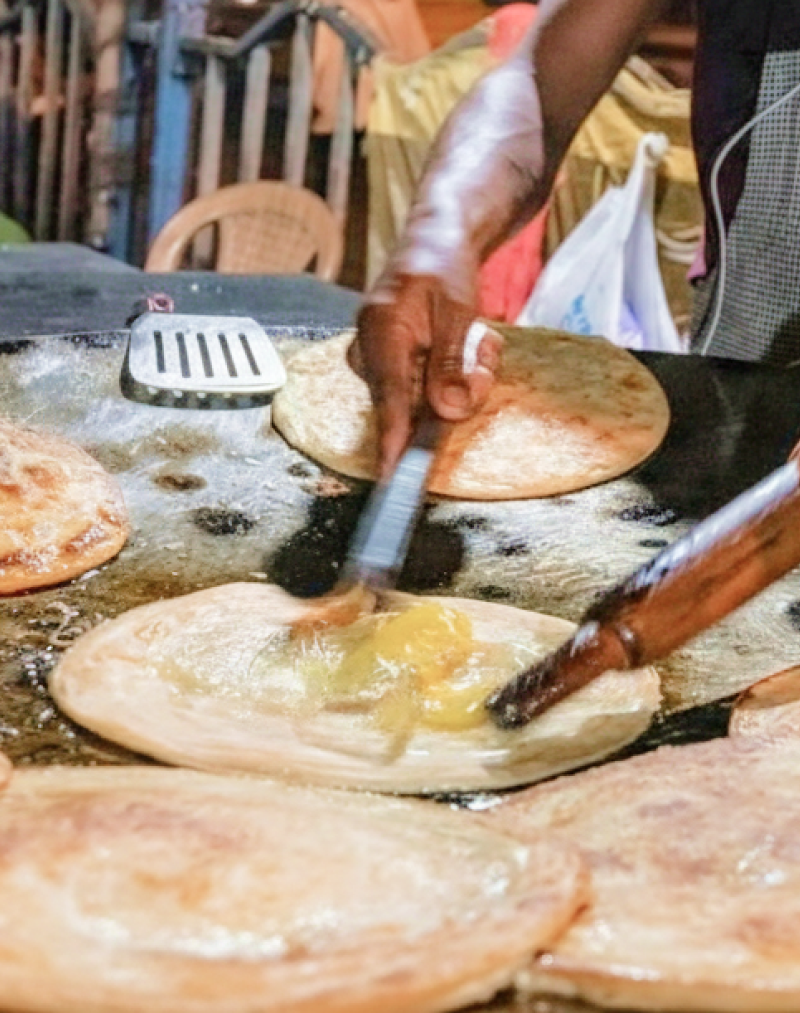
As evening rolls in, the waterfront comes alive. Small shacks and mobile vendors set up along the promenade and nearby streets, serving everything from bhajis and corn chaat to grilled fish and egg rolls. It’s casual, it’s breezy, and it pairs perfectly with a sunset walk along the seafront.
Practical Tips for Eating in Pondicherry
Timing Is Everything
Lunch is the main meal of the day for most locals, and restaurants reflect this. The best banana leaf spreads are typically served between 12 PM and 2:30 PM, and some spots close after that. Plan accordingly, or you might miss out entirely.
Paying for Your Meal
Fortunately, paying while eating in Pondicherry has never been easier — especially if you’re travelling with UPI. Most local restaurants, street vendors, and even smaller cafés now accept UPI payments, which means you don’t always need to carry cash. That said, a small amount of cash on hand is still handy for the most informal vendors and market stalls.
For a complete guide to using UPI in Pondicherry — including how to set it up, where it’s accepted, and tips for foreign visitors — check out our Pondicherry UPI Guide.
How Much Should You Budget?
Eating in Pondicherry can genuinely suit any budget. A hearty banana leaf lunch at a local mess hall might cost you ₹80–₹150. A meal at a mid-range café in the French Quarter typically runs ₹400–₹800 per person. Fine dining or heritage restaurant experiences can go higher, but even then, Pondicherry tends to feel like good value compared to larger Indian cities.
Dietary Needs and Restrictions
Good news for vegetarians: South Indian cuisine is extraordinarily plant-friendly, and nearly every local restaurant offers extensive vegetarian menus. Vegans will find plenty of naturally dairy-free dishes too, though it’s always worth double-checking, as ghee tends to sneak in. For those with gluten sensitivities, rice-based dishes dominate the local menu and are easy to navigate.
Unique Experiences Worth Seeking Out While Eating in Pondicherry
Attend a Temple Prasadam
If you’re visiting any of Pondicherry’s major temples — particularly the Manakula Vinayagar Temple — keep an eye out for prasadam distribution. This blessed food, often a sweet pongal or ladoo, is a deeply cultural experience and a lovely way to connect with local spiritual life.
Explore the Local Market
The New Market area is a sensory overload in the best possible way. Fresh produce, spices, dried fish, coconut, tamarind, and more — wandering through here gives you a real sense of what home cooking in Pondicherry actually looks like. Even if you’re not cooking, it’s worth a visit just to take it all in.
Try the Pondicherry-Style Biryani
Often overlooked in favour of other dishes, the local biryani deserves more attention. Lighter than its Hyderabadi counterpart and more fragrant than the Kolkata style, Pondicherry biryani uses shorter-grain rice and a spice profile influenced by Tamil and coastal cooking. Seek it out — you won’t be disappointed.
Final Thoughts
Eating in Pondicherry is, quite simply, one of the great pleasures of travelling in South India. Between the soulful Tamil home cooking, the breezy French-influenced café scene, and the brilliant fresh seafood, there’s always something new to try — and always a reason to come back hungry.
The only thing left to sort out is how you actually pay for it all. That’s where Mony comes in. Designed specifically for tourists visiting India, Mony lets you top up your wallet and pay seamlessly wherever UPI is accepted — which, in Pondicherry, is pretty much everywhere. No fumbling for cash, no currency headaches, just tap and eat. Check out our Pondicherry UPI Guide to see exactly how it works.
So go ahead: download Mony, arrive with an appetite, wander with curiosity, and let Pondicherry feed you properly.


Leave a Reply