
Mumbai Travel Guide for International Tourists (2026)
Table of Contents
Mumbai doesn’t ease you in. It’s India’s most intense city — 23 million people packed onto a narrow peninsula between the Arabian Sea and a harbour. The traffic never stops, the local trains carry 7.5 million people daily, and the contrast between the Art Deco buildings of Marine Drive and the nearby slums is jarring and real.
But Mumbai also has India’s best vada pav (the street burger that costs ₹20), the most cosmopolitan nightlife, Bollywood’s beating heart, a stunning coastal promenade, and a food scene that ranges from century-old Irani cafes to India’s most innovative restaurants. It’s exhausting and extraordinary.
Mumbai at a Glance
| Detail | Info |
|---|---|
| Best time to visit | October – February (cool, dry, clear skies) |
| Avoid | June – September (monsoon — dramatic flooding, but also dramatic beauty) |
| Airport | Chhatrapati Shivaji Maharaj International (BOM). India’s busiest international airport. |
| Getting around | Local trains (fast, cheap, crowded), Uber/Ola, auto-rickshaws (suburbs only), taxis |
| Currency | Indian Rupee (₹). ~₹84 = $1 USD |
| Payment | UPI everywhere. Cards accepted more widely than most Indian cities. Cash for tips. |
| Daily budget | Budget: ₹3,000–4,500 │ Mid-range: ₹7,000–12,000 │ Luxury: ₹18,000+ |
| How many days? | 2–3 days for highlights. 4–5 to explore beyond South Mumbai. |
What to See
South Mumbai
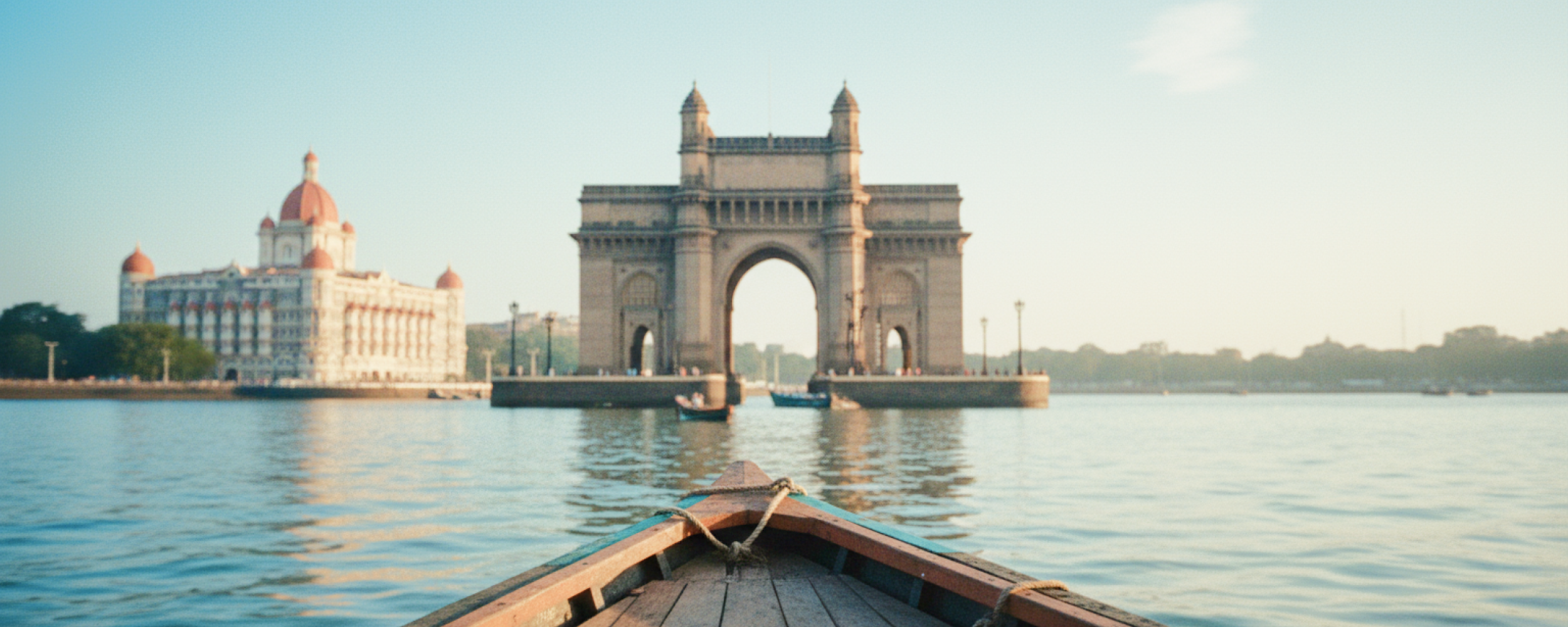
Gateway of India — Mumbai’s most iconic landmark, built to commemorate King George V’s visit in 1911. Best at sunrise or sunset. Free. The Taj Mahal Palace hotel sits directly behind it — worth walking through the lobby even if you’re not staying.
Colaba Causeway — The backpacker and tourist strip. Street vendors selling jewellery, scarves, and souvenirs alongside cafes and restaurants. Leopold Café (made famous by the book Shantaram) is here. UPI at most vendors.
Marine Drive — Mumbai’s 3.6 km oceanfront promenade, nicknamed the Queen’s Necklace for its curved arc of streetlights at night. Walk it at sunset. Free and unforgettable.
Chhatrapati Shivaji Maharaj Terminus (CST) — A UNESCO World Heritage Site and working railway station. The Victorian Gothic architecture is extraordinary — one of the most beautiful buildings in Asia. Free to walk through.
Elephanta Caves — A UNESCO site on an island in Mumbai harbour. 6th-century rock-cut temples dedicated to Shiva. Ferry from Gateway of India (₹200 return). Entry: ₹40 (Indian), ₹600 (foreigner). Half-day trip.
Beyond South Mumbai
Dharavi — One of Asia’s largest slums and a thriving economic hub. Guided tours by organisations like Reality Tours (₹900–1,500) are ethical, educational, and eye-opening. UPI accepted for booking.
Bandra — Mumbai’s hippest neighbourhood. The Bandstand promenade, street art, boutiques, and excellent restaurants. Carter Road for sunset walks. The Bandra-Worli Sea Link is impressive from below.
Kala Ghoda Art District — Galleries, cafes, and bookshops in South Mumbai’s cultural quarter. Jehangir Art Gallery is free. The Kala Ghoda Arts Festival (February) is excellent.
Where to Eat
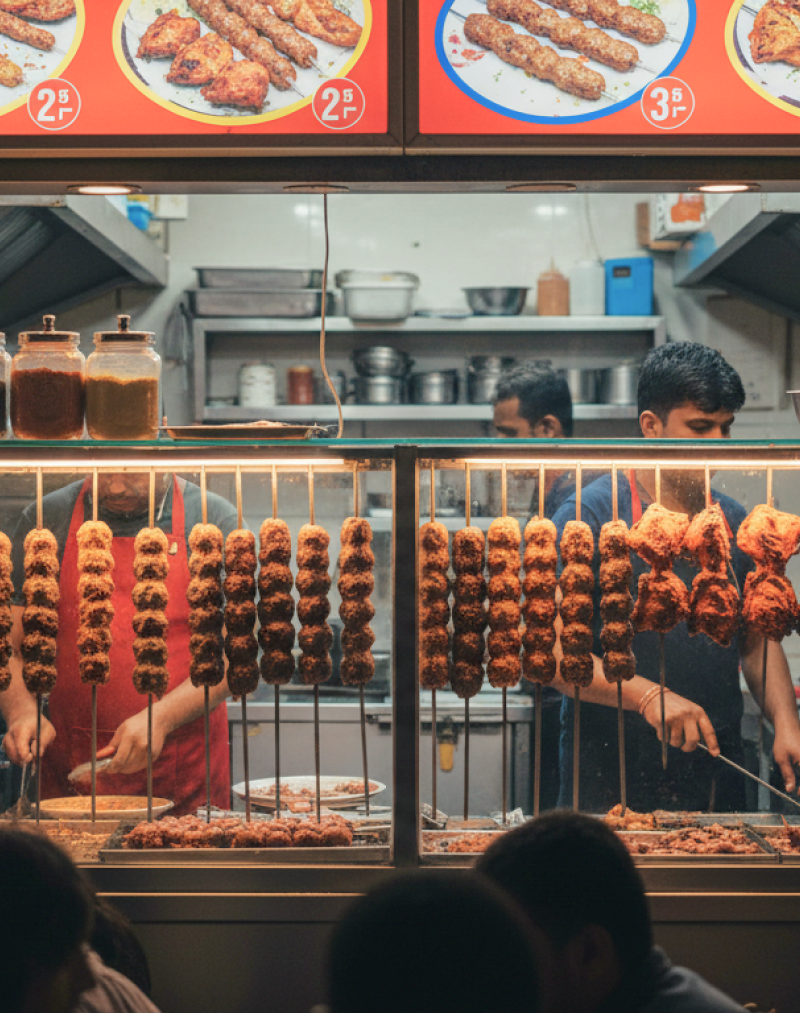
For the full breakdown, see Where to Eat in Mumbai. Highlights: vada pav at Ashok Vada Pav in Kirti College (₹20–40), pav bhaji at Sardar on Tardeo Road (₹100–150), kebabs at Bademiya behind the Taj (₹150–300), seafood thali at Trishna in Fort (₹600–1,200), and Masala Library for modern Indian fine dining (₹4,000–7,000).
Money & Payments
Mumbai is India’s most card-friendly city, but even here, street food stalls, local restaurants, and auto-rickshaws run on UPI and cash. Marine Drive bhel puri vendors, Colaba Causeway shops, and local trains all accept UPI.
Recommendation: Mony as primary, cards as backup for hotels and upscale restaurants, ₹2,000–3,000 cash for tips and the occasional cash-only vendor.
Pay Like a Local in Mumbai
Mumbai moves fast and Mony keeps up. From the ₹20 vada pav to the Uber across town to the museum entry fee — scan, PIN, done. Set up before you land and you’re immediately part of the rhythm.


Leave a Reply