Kolkata (formerly Calcutta) is India’s intellectual and cultural soul. It produced Rabindranath Tagore, Satyajit Ray, and Mother Teresa. It has the country’s best sweet shops, its most passionate political debates, its finest examples of colonial architecture, and a street food culture that rivals Delhi’s — but with a distinctly Bengali sweetness.
For international tourists, Kolkata feels different from the rest of India. It’s slower, more literary, more caffeinated (Bengali adda — intellectual conversation over endless cups of tea — is a civic institution), and genuinely proud of its cultural heritage. It’s the most underrated major city in India for tourists.
Kolkata at a Glance
| Detail |
Info |
| Best time to visit |
October – March (cool, dry, Durga Puja in October) |
| Avoid |
April – June (extreme heat and humidity). July–Sept (monsoon flooding). |
| Airport |
Netaji Subhas Chandra Bose International (CCU) |
| Getting around |
Metro (India’s oldest), yellow taxis, Uber/Ola, hand-pulled rickshaws (rare, heritage) |
| Currency |
Indian Rupee (₹). ~₹84 = $1 USD |
| Payment |
UPI widely accepted. Cards at hotels and restaurants. |
| Daily budget |
Budget: ₹1,500–2,500 │ Mid-range: ₹4,000–7,000 │ Luxury: ₹10,000+ |
| How many days? |
2–3 days for the highlights. 4+ for deeper exploration. |
What to See
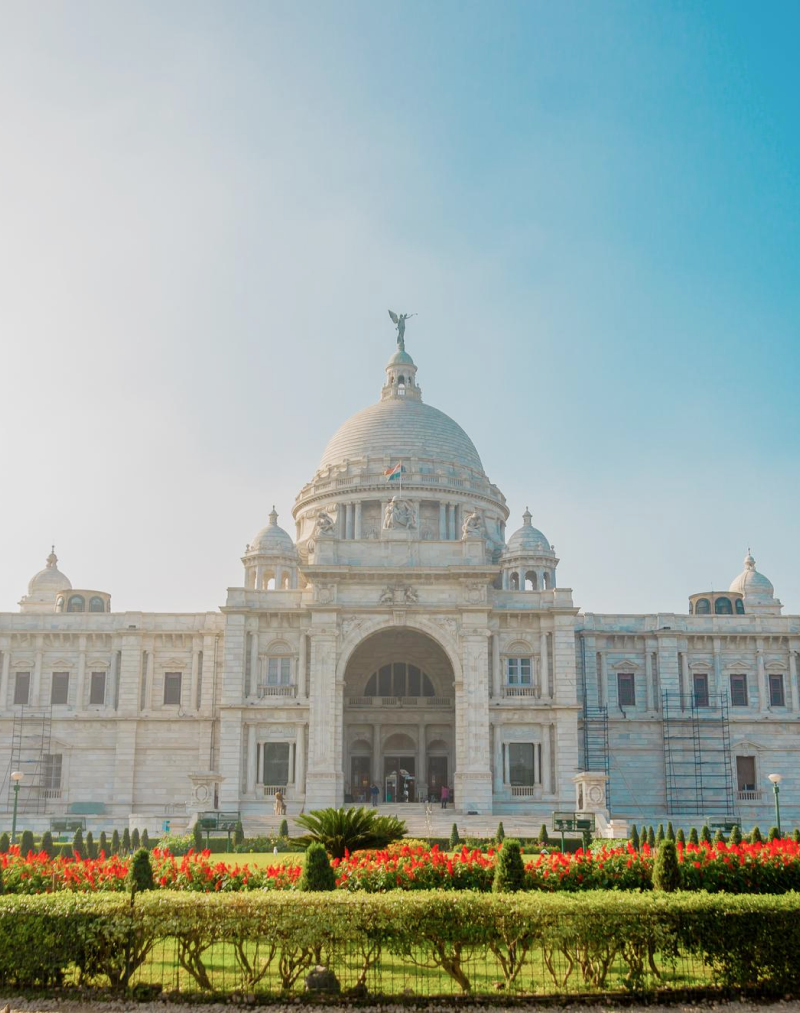
Victoria Memorial
A stunning white marble monument built in honour of Queen Victoria. Mughal-meets-British architecture surrounded by manicured gardens. The museum inside covers Bengal’s history. Entry: ₹30 (Indian), ₹500 (foreigner). Budget 1.5–2 hours. Best in late afternoon light.
Howrah Bridge
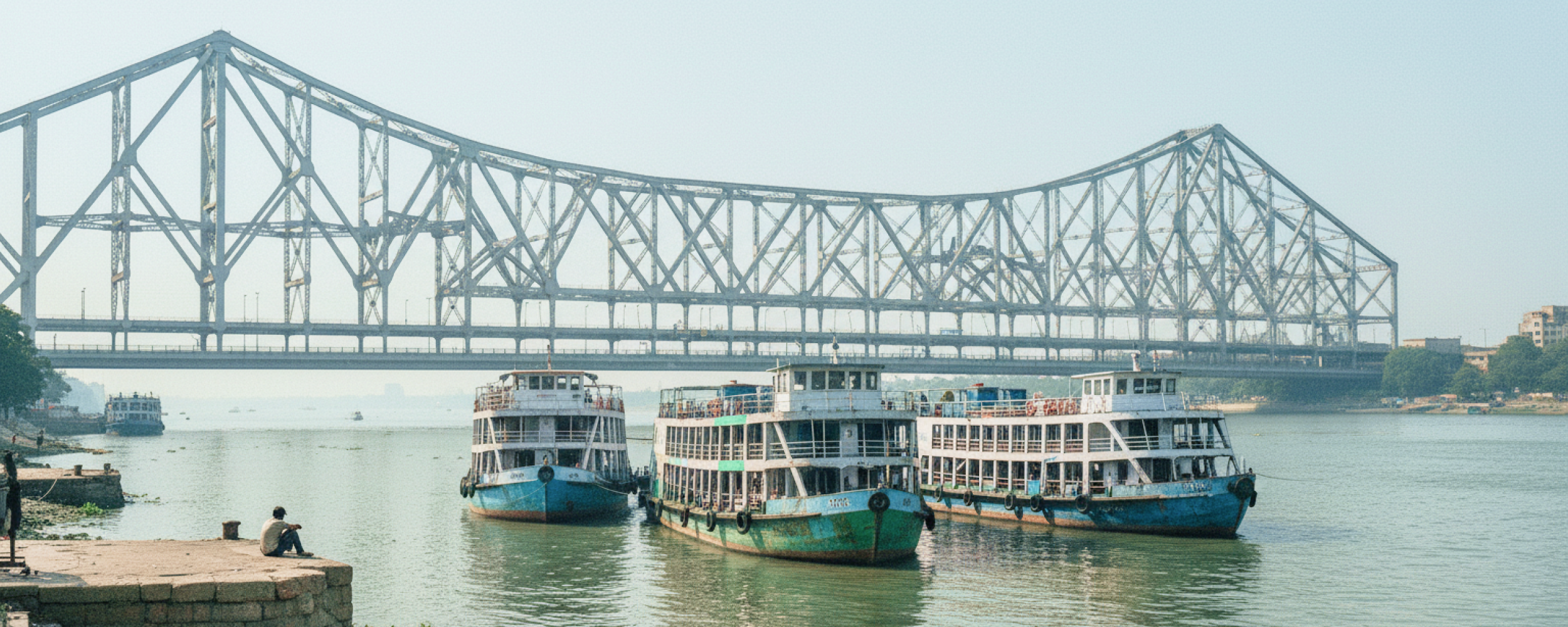
The cantilever bridge that’s been Kolkata’s icon since 1943. Walk across it at dawn when the flower market below is in full swing. Free.
Dakshineswar Kali Temple
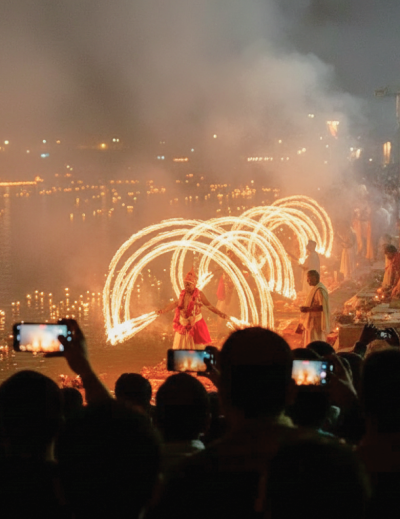
A major Hindu Hindu pilgrimage site on the Hooghly River. Beautiful location and deeply atmospheric. Free entry. Visit early morning or at evening aarti.
Indian Museum
Asia’s oldest museum. Egyptian mummies, Gandhara sculptures, and natural history collections. Entry: ₹20 (Indian), ₹500 (foreigner). 1.5–2 hours.
College Street
The largest secondhand book market in the world. Stalls stretch for blocks selling everything from rare first editions to cheap paperbacks. Stop at Indian Coffee House for a ₹30 coffee in a setting that hasn’t changed since the 1940s.
Kumartuli
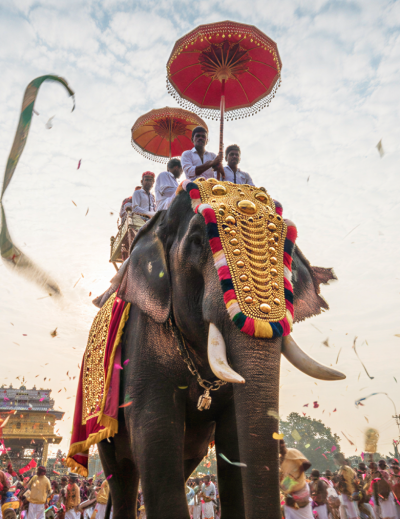
The artisan quarter where clay idols for Durga Puja are made by hand. Watching sculptors work in narrow studios is mesmerising. Best visited September–October before the festival.
Park Street
Kolkata’s eating and nightlife strip. Restaurants, bars, bakeries, and the famous South Park Street Cemetery (a peaceful colonial-era graveyard).
Where to Eat
For the full breakdown, see
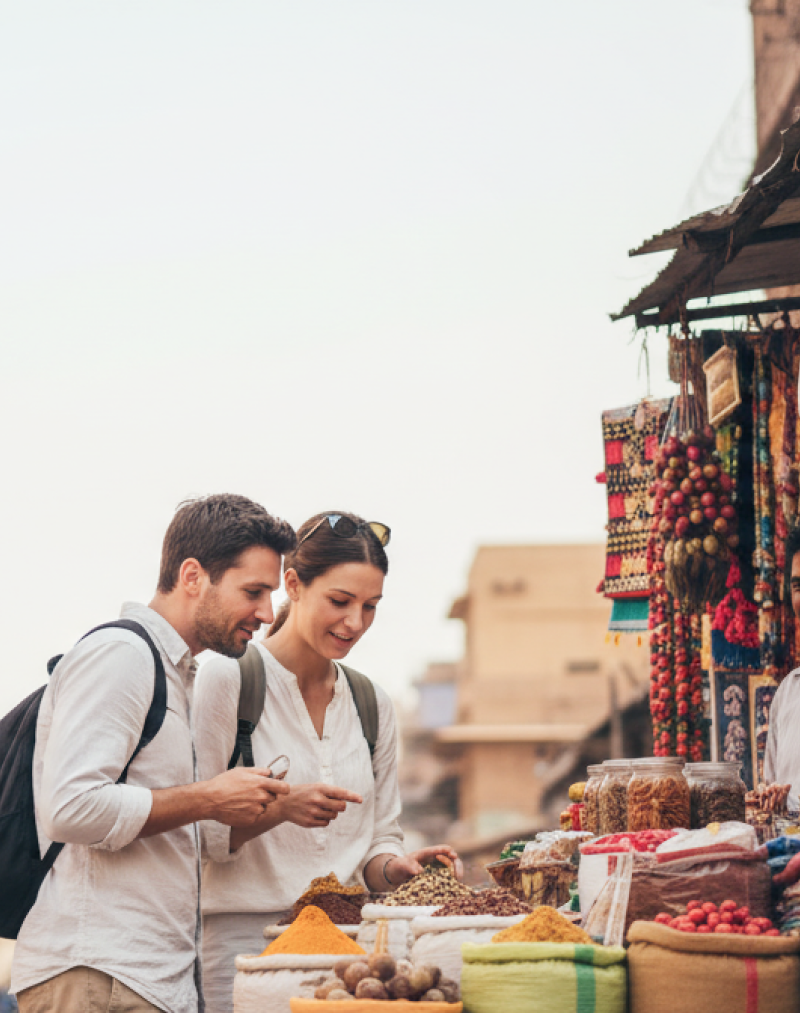
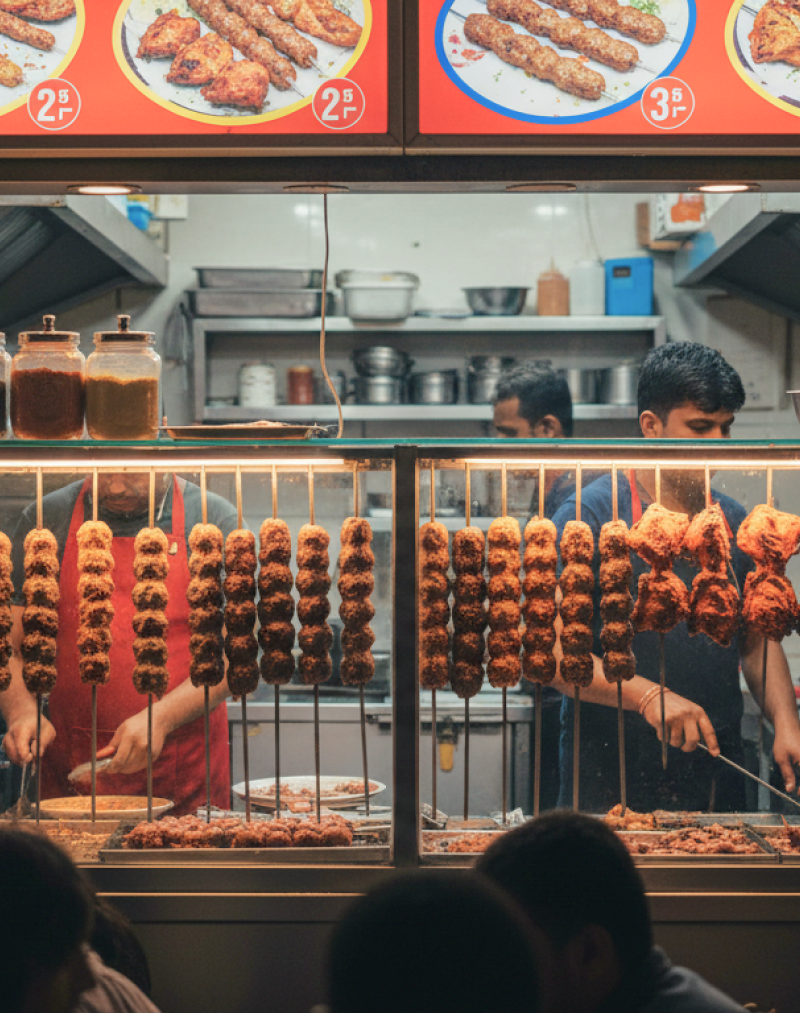
Where to Eat in Kolkata. Highlights: kathi rolls at Nizam’s in New Market (₹60–120, the original kathi roll), phuchka (Kolkata’s version of pani puri, ₹20–40 per plate), fish fry on Park Street (₹80–150), mishti doi and rosogolla at K.C. Das or Balaram Mullick (₹20–60), and Bengali thali at 6 Ballygunge Place (₹600–1,000).
Money & Payments
Kolkata is slightly more cash-dependent than Delhi or Mumbai, especially in the older neighbourhoods and for hand-pulled rickshaws. But UPI has penetrated rapidly — sweet shops, street food stalls, and Park Street restaurants all accept it.
Recommendation: Mony as primary, ₹2,000–3,000 cash for smaller vendors and tips.
Pay Like a Local in Kolkata
From the ₹30 coffee at Indian Coffee House to the ₹60 kathi roll to the museum ticket — UPI works. Set up Mony before you land.



Leave a Reply