
Kochi Travel Guide for International Tourists (2026)
Table of Contents
Okay, let me be real with you — Kochi completely blew my mind, and I mean that in the best way possible. I rolled in expecting a sleepy coastal town and got hit with centuries of Arab traders, Portuguese colonizers, Dutch merchants, and British officials all packed into one ridiculously photogenic peninsula. This kochi travel guide is basically everything I wish my travel buddies had told me before I showed up with a stuffed backpack and zero plans. Chinese fishing nets at sunset, a 16th-century synagogue, colonial churches, and a contemporary art scene that gives Brooklyn serious vibes — Kochi does not play around.
Fort Kochi — the historic peninsula — is hands down one of India’s most walkable and photogenic neighborhoods. Beyond it, the city launches you straight into Kerala’s backwaters, tea plantations, and misty hill stations. Honestly, if Kochi isn’t on your India itinerary, we need to have a serious conversation.
Kochi at a Glance
| Detail | Info |
|---|---|
| Best time to visit | October – March (post-monsoon, dry, Kochi-Muziris Biennale in Dec–Mar) |
| Avoid | June – August (heavy monsoon). Beautiful but wet. |
| Airport | Cochin International (COK). Flights from Dubai, Singapore, Doha, London. |
| Getting around | Auto-rickshaws, Uber/Ola, ferries between islands, walking in Fort Kochi |
| Payment | UPI accepted widely. Cash for some ferry and auto-rickshaw drivers. |
| Daily budget | Budget: ₹1,800–2,800 │ Mid-range: ₹4,500–7,500 │ Luxury: ₹10,000+ |
| How many days? | 2–3 days for Kochi. 5–7 to include Alleppey backwaters and Munnar. |
What to See in Kochi: Your Ultimate Kochi Travel Guide to the Top Spots
Chinese Fishing Nets
These are literally Kochi’s most iconic sight and the photo you’ll plaster all over your Instagram. The massive cantilevered Chinese fishing nets at Fort Kochi’s waterfront reportedly arrived in India via traders from the court of Kublai Khan. Hit them at sunset — trust me on this one. Watching costs nothing, and for about ₹100–200 you can actually help the fishermen operate one. Totally worth it.
Fort Kochi Walking Tour
Block off half a day and wander the colonial streets with zero agenda. You’ll stumble onto St. Francis Church — India’s oldest European church, built in 1503 — and the grand Santa Cruz Cathedral. The streets overflow with cafes, antique shops, and art galleries that make you want to drain your bank account immediately. I absolutely did.
Mattancherry Palace (Dutch Palace)
Don’t let the name fool you — the Mattancherry Palace is actually a 16th-century Portuguese-built structure that the Dutch later renovated. The Kerala-style murals inside depicting Hindu mythology are extraordinary — genuinely some of the most detailed wall art I’ve seen anywhere in India. Entry costs ₹5 for Indians and ₹100 for foreigners. Give it about 45 minutes, and heads up — no photography inside.
Jew Town & Paradesi Synagogue
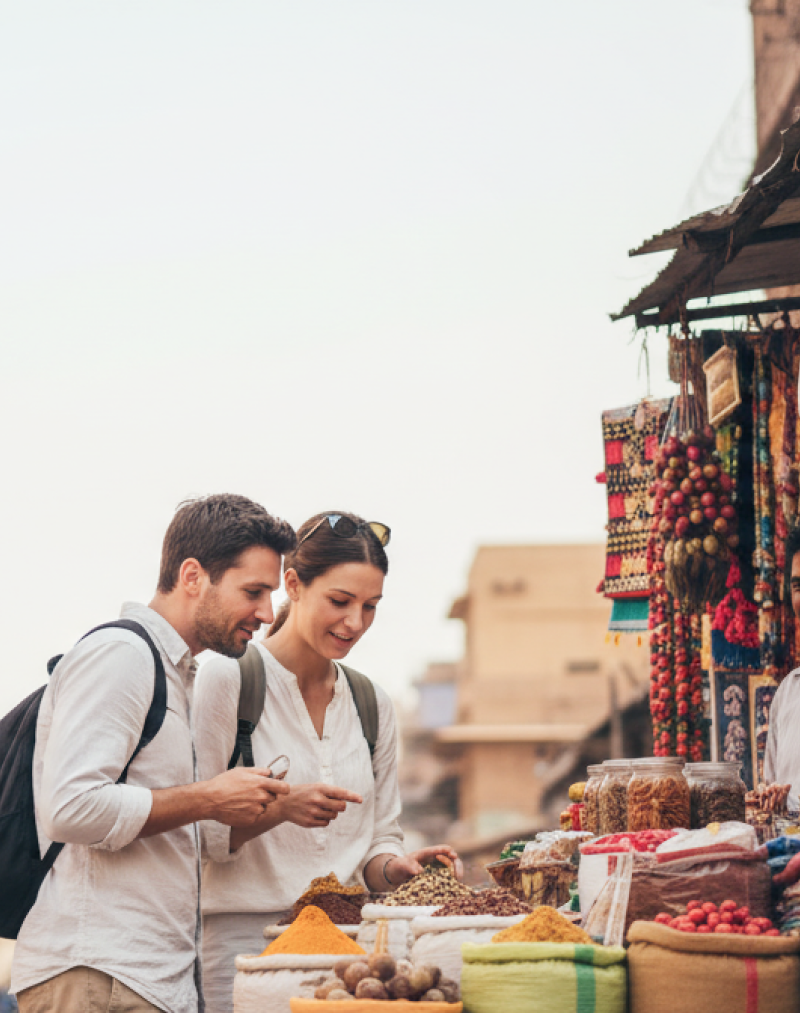
Jew Town is this fascinating maze of antique shops and spice merchants that leads you straight to the Paradesi Synagogue, built in 1568 and covered in hand-painted Chinese tiles. Entry is just ₹10. The spice shops lining the street sell cardamom, pepper, and cinnamon at genuinely great prices — I loaded up my bag and regretted absolutely nothing.
Kathakali & Kalaripayattu
An evening at a Kathakali performance is one of those experiences you’ll bring up in conversation for years. Kerala’s classical dance-drama is visually wild — the costumes, the expressions, the storytelling. Pair it with a Kalaripayattu demonstration (Kerala’s ancient martial art) at the Kerala Kathakali Centre or Greenix Village for a full cultural evening. Tickets run ₹300–500. Show up early to watch the elaborate makeup application — it’s a performance in itself.
Kochi-Muziris Biennale
If your dates line up, the Kochi-Muziris Biennale is India’s largest contemporary art festival, running December through March in even-numbered years — the next edition runs 2026–2027. Artists take over Fort Kochi’s old warehouses and heritage buildings with massive installations. It’s free or very low-cost, and honestly one of the coolest things I’ve experienced in any Indian city.
Alleppey Backwaters (Day Trip)
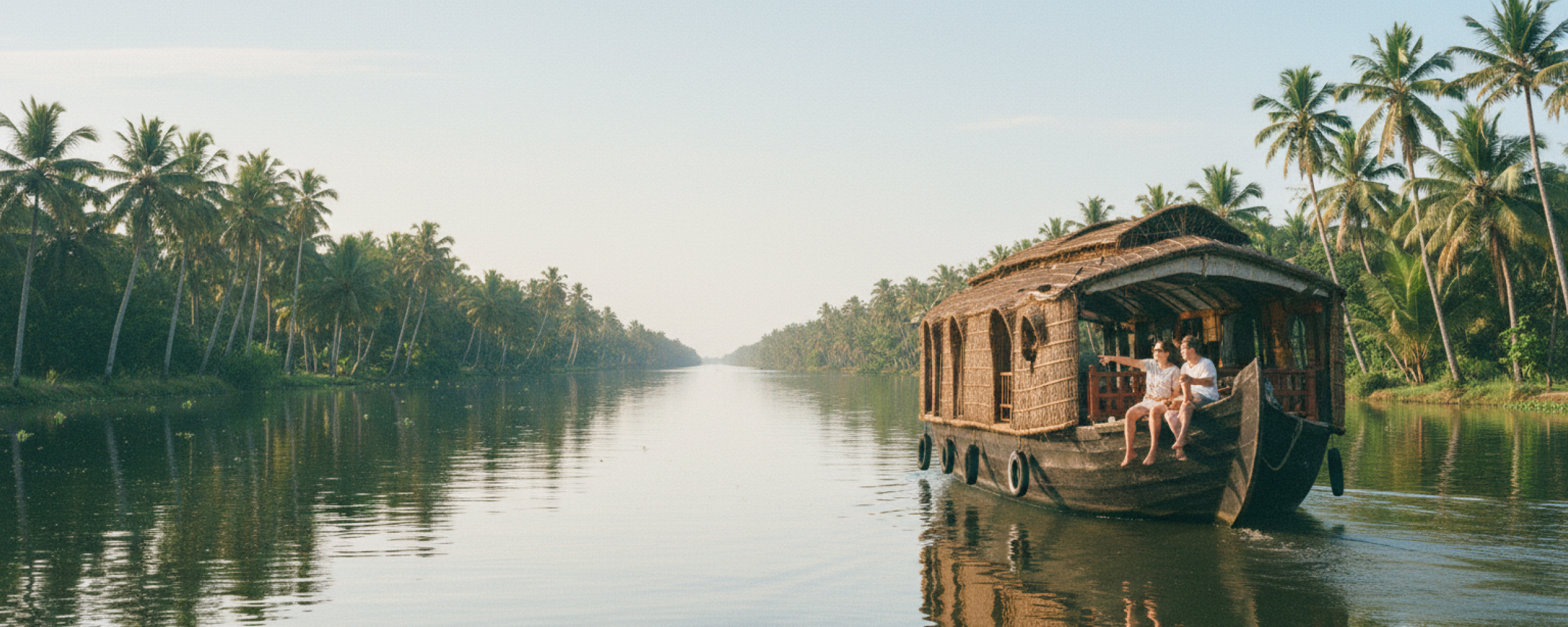
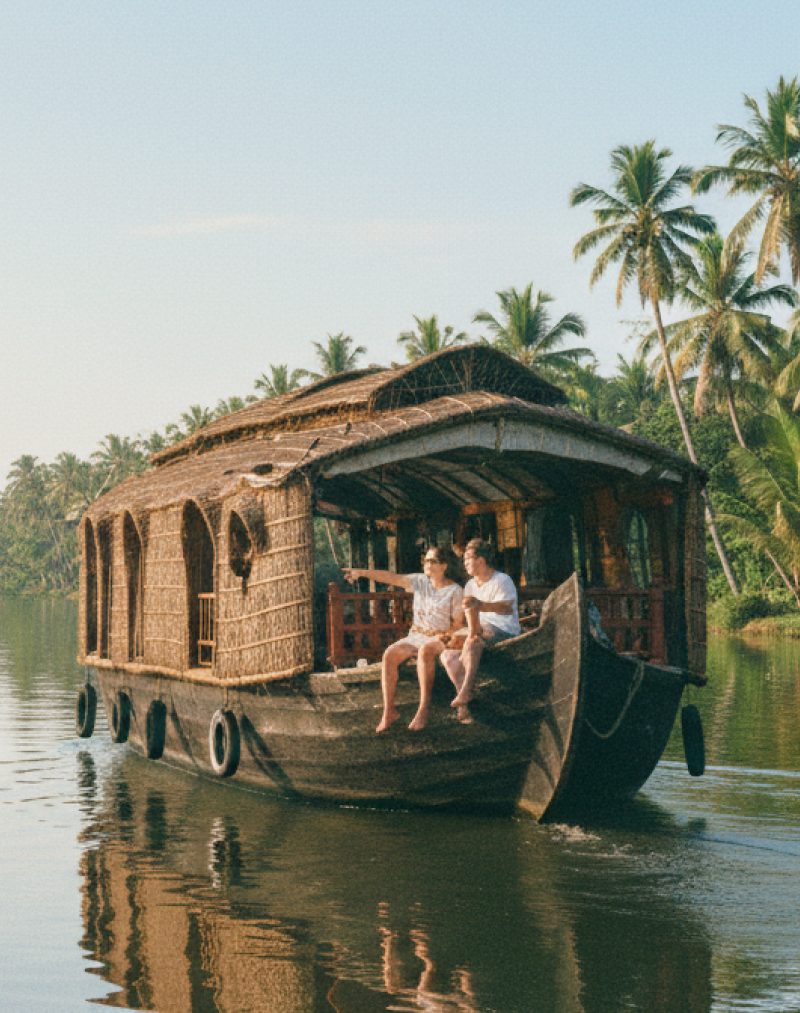
Alleppey sits just 2 hours from Kochi, and the backwater canals there are every bit as dreamy as the photos suggest. A day cruise runs ₹1,500–3,000, while an overnight houseboat experience costs ₹6,000–15,000. I know the overnight sounds steep, but waking up on the water surrounded by coconut palms is genuinely one of India’s most iconic experiences. Budget accordingly.
Where to Eat in Kochi: A Kochi Travel Guide for Food Lovers
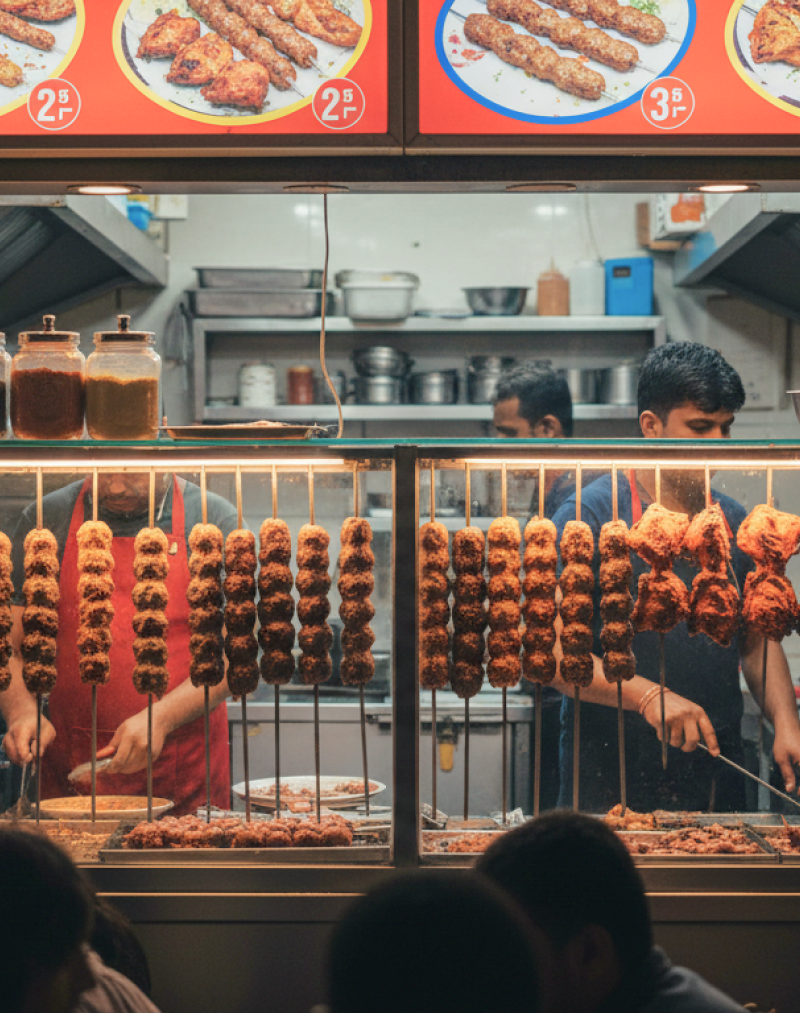
Look, Kochi’s food scene alone justifies the trip. I’m talking appam with stew at Kayees Biryani (₹80–150), Kerala fish curry at Fort House (₹400–700), and the legendary Chinese fishing net stalls where you pick your fresh fish and watch them cook it right in front of you (₹200–500). Oh, and Paragon for Malabar biryani (₹200–350) — do not skip it.
Chinese Fishing Net Stalls
This is the full Kochi food experience packed into one sweaty, delicious session. You walk up to the fishing nets, pick out your fresh catch (₹200–500 depending on what they’ve hauled in), and hand it over to the adjacent open-air stalls where they cook it to order — grilled, fried, or curried. The total bill lands around ₹300–600. Both cash and UPI work here.
Fort Kochi Restaurants
Fort House is waterfront dining with an actual tree growing through the restaurant — only in Kochi. The Kerala fish curry and prawn fry are excellent, and the cocktails genuinely slap. Expect ₹400–700, UPI and cards accepted.
Kashi Art Café is Fort Kochi’s most beloved cafe, full stop. Art covers the walls, the European-Indian menu hits hard, and the coffee is great. It’s the kind of place you sit down for one cup and walk out two hours later wondering where the time went. Budget ₹200–400, UPI accepted.
Oceanos is where you go when you want to treat yourself. Upscale seafood in a restored heritage building, fresh catch prepared multiple ways, and an atmosphere that makes the ₹800–1,500 price tag feel completely reasonable. Cards and UPI accepted.
Local Favourites
Kayees Biryani in Mattancherry has been famous for its Malabar biryani since 1948. It’s always packed at lunch — that’s how you know it’s the real deal. Prices run ₹150–300, cash and UPI both work.
Paragon in Ernakulam is basically the most popular restaurant in Kochi for Malabar food. Biryani, fish curry, porotta — everything lands well here. Budget ₹200–400, UPI accepted.
Splurge
History at Brunton Boatyard, CGH Earth is where you blow the budget and feel zero guilt about it. Refined Kerala cuisine in a waterfront colonial heritage hotel — the kind of dinner you actually dress up for. Budget ₹1,500–2,500, cards only.
Kerala Dishes You Absolutely Have to Try
Appam with stew is Kerala’s most elegant breakfast — a lacy, bowl-shaped rice pancake paired with a mild coconut milk stew made with vegetables or chicken. At ₹80–150, it’s basically a steal.
Kerala fish curry (Meen Curry) puts fish into a tangy, spicy coconut and tamarind gravy that varies by restaurant but somehow always hits. Budget ₹150–350 and order it everywhere you sit down.
Karimeen (Pearl Spot) fry is Kerala’s signature fish — marinated in spices and pan-fried until crispy. The moment you spot it on a menu, you order it. No exceptions. Expect ₹250–500.
Malabar biryani uses smaller-grained kaima rice, more coconut, and a lighter touch than the Hyderabadi version you might be used to. It’s different, and honestly? It’s great. Runs ₹200–350.
Puttu & kadala curry is Kerala’s answer to the classic Indian breakfast — steamed rice cylinders packed with coconut, served alongside a deeply spiced chickpea curry. At ₹60–100, it’s the most filling cheap breakfast you’ll find.
Banana chips & halwa are the snacks you buy at every local shop and somehow finish before you even leave the street. Pick up a few packs at ₹50–200 to take home — your family will genuinely thank you.
Money & Payments
Fort Kochi is pretty tourist-friendly, but older shops and auto-rickshaw drivers still lean heavily on cash. Most restaurants and modern businesses accept UPI without any drama. Alleppey houseboats typically accept UPI for the final payment too, which is super convenient when you’re floating out in the middle of the backwaters.
My recommendation: Use Mony as your primary payment method and keep ₹2,000–3,000 in cash for ferries, autos, and smaller vendors who haven’t fully made the UPI switch yet. For a full breakdown of navigating payments across India, check out our guide on how to pay in India as a tourist.
See also: Where to Eat in Kochi, 2-Day Kochi Itinerary, and How to Pay in India as a Tourist.
Paying for Food
Fort Kochi restaurants and cafes take UPI without batting an eye. The fishing net stalls and Mattancherry shops are increasingly UPI-friendly too, which honestly surprised me on my last trip. That said, keep some cash in your pocket for smaller vendors and ferry operators — you don’t want to be that person holding up the line.
See also: Kochi Travel Guide and 2-Day Kochi Itinerary.



Leave a Reply