
Kolkata Markets Where Sarees, Silver & Stories Collide
Shopping in Kolkata takes you through some of the most characterful markets in India. Handwoven jamdani sarees in Gariahat, colonial-era silver jewellery at New Market, state handicraft emporiums in Dhakuria, and clay idol workshops in Kumartuli all form part of the shopping in Kolkata experience. This guide covers the five most worthwhile markets with what to buy, what to pay, and how to get there.
Gariahat Market — The Heart of Bengali Saree Shopping
Gariahat Road is the most important destination for shopping in Kolkata for anyone interested in Bengali textiles. Jamdanis, tangails, Balucharis, and everyday cottons fill the shops that line both sides of the road. Prices run from Rs 300 for simple cotton sarees to Rs 20,000 for handwoven Baluchari silk. Additionally, the roadside stalls outside the main shops carry bangles, handbags, and trinkets at Rs 50 to Rs 500 — good for smaller gifts and souvenirs. The nearest metro station is Gariahat Metro Station on the East-West Metro Line. The market is most active between 11:00 AM and 8:00 PM.
New Market — A Colonial-Era Classic on Lindsay Street
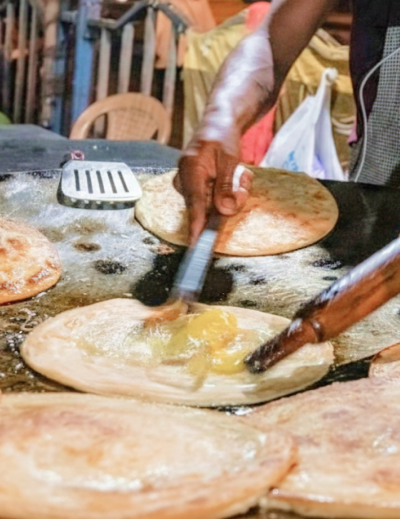
New Market on Lindsay Street is over 150 years old and remains one of the most varied destinations for shopping in Kolkata. Silver jewellery, festive decor, antiques, and local snacks all appear within the same covered arcade. Prices run from Rs 200 for smaller items to Rs 5,000 for silver pieces. Furthermore, the market’s colonial-era architecture and the density of shops across multiple internal lanes make browsing genuinely rewarding even without a specific purchase in mind. The nearest metro station is Chandni Chowk Metro Station on the North-South Line.
Hatibagan Market — Local Shopping Without Tourist Crowds
Hatibagan on Bidhan Sarani is the most authentically local of the shopping in Kolkata destinations on this list. Fabrics, sarees, and household goods fill the stalls at prices that reflect local rather than tourist rates — Rs 100 to Rs 5,000 covers most purchases. Notably, the absence of tourist-oriented shops gives the market a character that is difficult to find in more central Kolkata shopping areas. It suits visitors who want to shop alongside local residents rather than in a market curated around visitor expectations.
Dakshinapan Shopping Complex — State Handicrafts from Across India
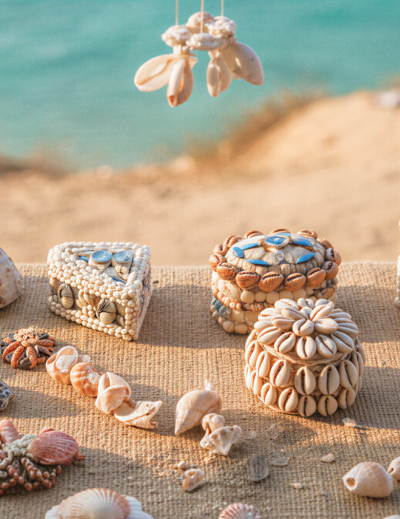
Dakshinapan Shopping Complex in Dhakuria houses state government emporiums representing crafts from across India. Silverwork, handlooms, pottery, and regional textiles appear at fixed prices that remove the need for bargaining. Prices run from Rs 200 to Rs 5,000 for most items. In particular, it suits visitors who want to consolidate shopping in Kolkata for nationally sourced handicrafts in a single location without navigating multiple markets. The nearest metro station is Dhakuria Metro Station on the North-South Line.
Kumartuli — Clay Idols and Shola Art
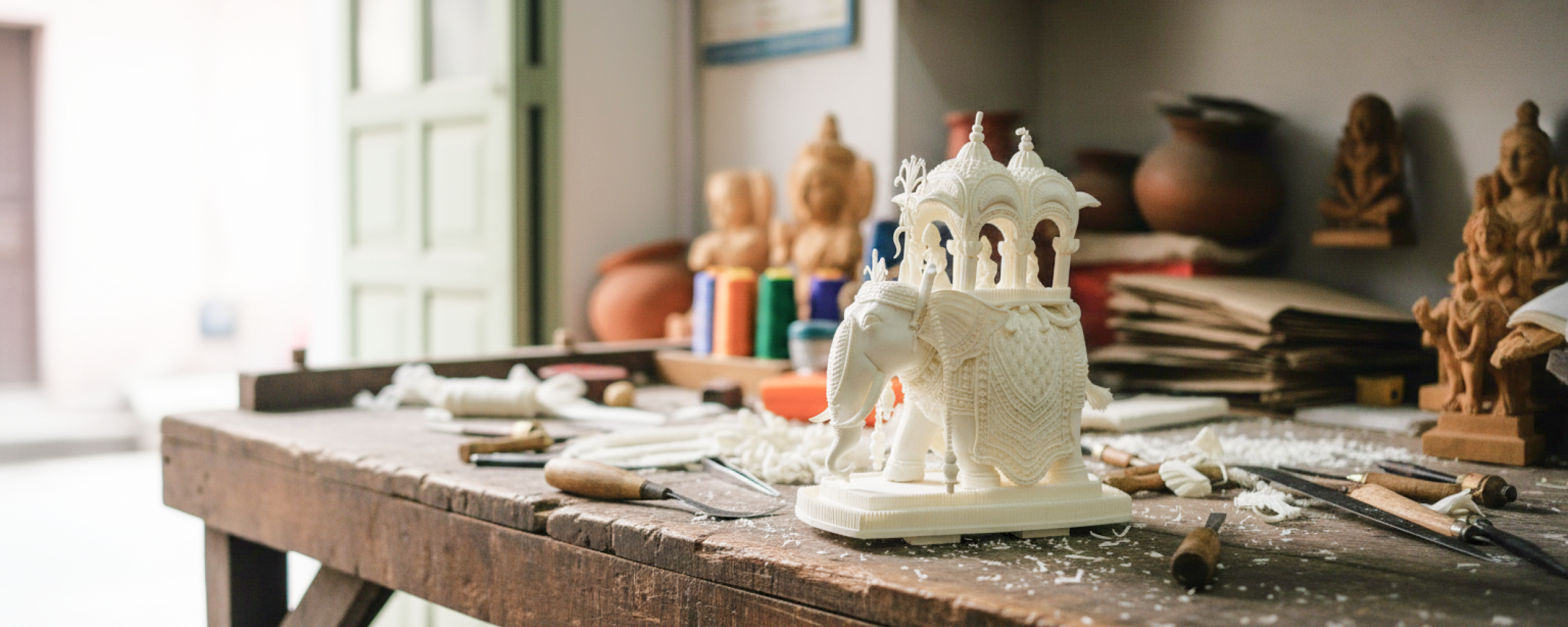
Kumartuli near Sovabazar is the most specifically unique of the shopping in Kolkata destinations. The quarter is famous for its clay idol-making workshops, where artisans produce the large Durga Puja figures that define Kolkata‘s festival season. However, the smaller workshops also produce shola pith art — delicate white botanical sculptures — and handcrafted decorative pieces that are genuinely one-of-a-kind. Prices vary considerably by piece and artisan. A visit to the workshops is worth doing independently of any purchase, as the craft process itself is remarkable to observe. The nearest metro station is Shyambazar Metro Station on the North-South Line.
Paying While Shopping in Kolkata
Established shops at Gariahat, New Market, and Dakshinapan accept cards and UPI. Smaller stalls, roadside vendors, and Kumartuli workshops, however, work primarily in cash or basic UPI. For NRI visitors and international tourists, Mony makes every transaction while shopping in Kolkata effortless. Mony is a travel finance app that lets NRIs and tourists pay like locals using UPI. As a result, there are no foreign card fees and no declined payments at any market, stall, or workshop across Kolkata.



Leave a Reply