
Table of Contents
In Kolkata, Bengali handlooms are not just fabric — they are living, breathing history. Every weave carries the fingerprints of artisans who have spent lifetimes perfecting their craft, and every saree tells a story that no fast-fashion garment ever could. From breezy cottons that make humid afternoons bearable to opulent silks built for grand occasions, shopping for Bengali handlooms in Kolkata is an experience that stays with you long after you have left the city. Whether you are a seasoned saree connoisseur or buying your very first weave, these are the spots worth your time and money.
What Makes Bengali Handloom Different
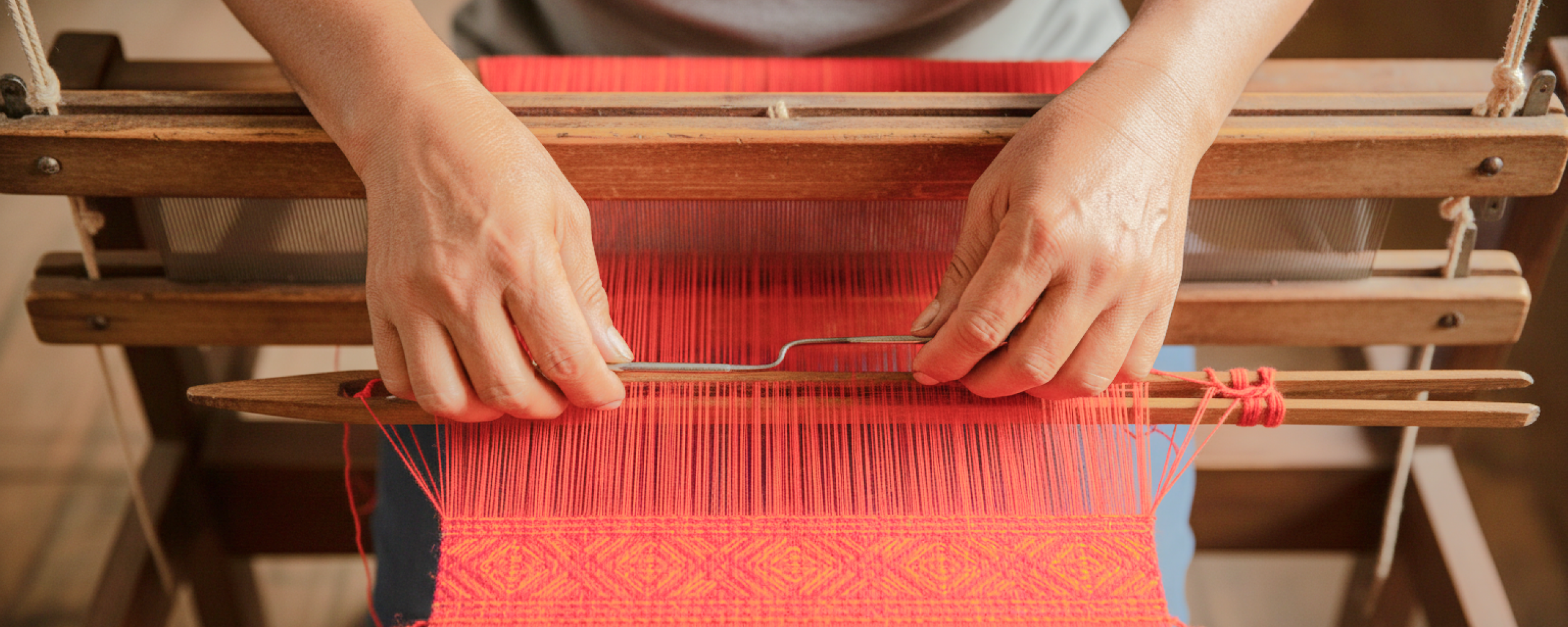
Bengali weaving is one of the oldest surviving textile traditions in India. The Dhakai jamdani has been on UNESCO’s Intangible Cultural Heritage list since 2013. Moreover, it is still made on wooden pit looms by hand — the same way it has been for 300 years. This is not fast fashion. It is fabric that takes weeks to make.
The Fabrics: What to Look For
Tant Cotton — Start Here
Tant is the everyday Bengali weave. Lightweight, breathable, and made for the humidity, it comes in white or cream with coloured borders, or fully block-dyed. However, do not confuse it with Dhonekhali tant — a specific regional variety that is softer and more finely woven. Gariahat Market has the best selection in the city. Prices range from ₹400–1,500 depending on thread count and borders.
Dhakai Jamdani — The One Worth Splurging On
The finest Bengali weave. Translucent muslin with intricate woven patterns, the design is created by a supplementary weft technique — not printing, not embroidery. A genuine Dhakai jamdani takes 3–6 weeks to make. Consequently, anything under ₹6,000 is almost certainly machine-made. The real thing runs ₹8,000–40,000+. Weavers’ Studio in Salt Lake is the most reliable source in Kolkata.
Baluchari Silk — For Special Occasions
Woven in Bishnupur, Baluchari silk is rich, heavy, and dramatic. The borders and pallu depict mythological scenes — Mahabharata episodes, tales from the Puranas — woven directly into the fabric. Prices range from ₹5,000–25,000. Dakshinapan has government-verified Baluchari at fixed prices, which means no haggling and no fakes.
📍 Dakshinapan Shopping Complex, Kolkata
How to Tell Real Handloom from Machine-Made
Hold the fabric up to the light. Handloom has slight irregularities in the weave — the threads are not perfectly uniform. Machine weave is flawless and flat. Additionally, check the selvedge (the edge): handloom selvedges are slightly uneven. Biswa Bangla government stores and Weavers’ Studio provide certificates of authenticity for premium pieces, so use them when buying anything expensive.
Where to Shop for Bengali Handlooms in Kolkata
Gariahat Market — The Undisputed Saree Powerhouse
If you only have time for one stop, make it Gariahat. This is the beating heart of Kolkata’s Bengali handloom shopping scene, and it earns that title every single day. Step into the iconic showrooms for an overwhelming but deeply satisfying spread of soft tant sarees, intricate jamdanis, and wedding-worthy balucharis. Additionally, the street stalls surrounding the market are goldmines for cottons, stoles, and blouse pieces at genuinely unbeatable prices. Budget between ₹500 and ₹20,000 depending on what you are looking for — either way, you will not leave empty-handed.
Dakshinapan Shopping Complex — All of Bengal Under One Roof
Located in Dhakuria, Dakshinapan is the kind of place that rewards slow, unhurried browsing. State emporiums here showcase Bengali handlooms from every corner of the region — baluchari silks from Bishnupur, kantha-stitched dupattas, and impossibly delicate muslin weaves, all in one open-air complex. Moreover, prices are fixed across the board, which means you can shop without the mental exhaustion of haggling. For anyone who values transparency and variety equally, this is an excellent starting point. Expect to spend between ₹800 and ₹15,000.
Adi Mohini Mohan Kanjilal — Heritage Worth Every Rupee
Few stores in Kolkata carry the kind of quiet authority that Adi Mohini Mohan Kanjilal does. With outlets on College Street and Gariahat, this is one of the city’s oldest and most respected names in Bengali handlooms, and the reputation is entirely deserved. Their jamdanis are breathtaking, their tussar silks are rich without being overwhelming, and their balucharis are genuinely heirloom-worthy. Furthermore, if you are building a wedding trousseau or looking for a saree that will outlast trends by decades, this is where you spend your money. Prices range from ₹2,000 to ₹25,000.
Tantuja — Government-Backed and Weaver-First
Tantuja might not have the glamour of a boutique, but it has something arguably more valuable — integrity. As a government-run outlet with multiple locations across the city, Tantuja sources Bengali handlooms directly from weavers, ensuring both quality and fair pricing. As a result, every purchase here supports the artisans behind the fabric, which makes the shopping feel meaningful rather than transactional. Prices are transparent and range from ₹1,000 to ₹10,000.
Byloom — For the Bengali Handloom with a Modern Soul
Not every Bengali handloom needs to be traditional in its styling, and Byloom in Hindustan Park makes that case beautifully. This boutique takes the same heritage weaves and reimagines them with playful colours, contemporary patterns, and silhouettes that move effortlessly between a casual brunch and a cultural evening. Consequently, it is a favourite among younger buyers and design-conscious shoppers who want the craft without the convention. Pieces are priced between ₹1,500 and ₹12,000.
Frequently Asked Questions About Bengali Handlooms
Where is the best place to buy Bengali handlooms in Kolkata?
Dakshinapan for fixed-price government emporiums covering Tant, Baluchari, and Muslin. Gariahat Market for everyday Tant cotton. Weavers’ Studio for authenticated fine jamdani. Furthermore, the Biswa Bangla stores at Kolkata airports stock genuine pieces if you run out of time before your flight.
Is bargaining acceptable in handloom shops?
At Gariahat and New Market, yes — bargaining is expected. At Dakshinapan, Biswa Bangla, and Weavers’ Studio, prices are fixed and non-negotiable.
What is the best Bengali handloom to buy as a gift?
A Tant stole at ₹400–800 for something affordable and practical. A Kantha embroidery piece at ₹1,200–3,000 for something decorative. A Baluchari silk dupatta at ₹3,000–8,000 for something genuinely special that will be remembered.
Drape Yourself in a Piece of Art
Bengali handlooms are, in every sense, wearable art. From the structured grandeur of a Bishnupur Baluchari to the casual elegance of a tant cotton, Kolkata’s textile legacy is one worth investing in. And with Mony, you can pay at any of these stores instantly — no cash, no hassle, just more energy left for carrying all those beautiful bags home.





Leave a Reply