
Table of Contents
India summer travel gets a bad reputation — and for the plains, it’s mostly deserved. From April through June, Delhi, Mumbai, and Jaipur regularly hit 42°C or higher. But here’s what most people miss: India’s geography is wildly diverse. Some of its most beautiful destinations are actually at their best in summer. High-altitude Himalayan valleys, misty Western Ghats hill stations, lush northeastern forests, and tropical islands before the monsoon all stay genuinely comfortable. Moreover, they attract far fewer tourists than you’d find in peak winter. Summer, in short, rewards the travellers who show up.
Why Summer Is Actually a Great Time to Visit India
Fewer tourists means shorter queues and better value on accommodation. Furthermore, the pace of travel feels noticeably more relaxed. The monsoon doesn’t arrive everywhere at once — the south and northeast get rain first, while the north stays dry and clear well into July. That staggered pattern means you can follow the good weather if you plan ahead. Whether you want Himalayan road trips, cool plantation stays, or quiet tropical beaches, summer has a version of it. The trick is simply matching your destination to the right month.
The North: Go High, Stay Cool
Leh and Ladakh — the Top India Summer Travel Destination
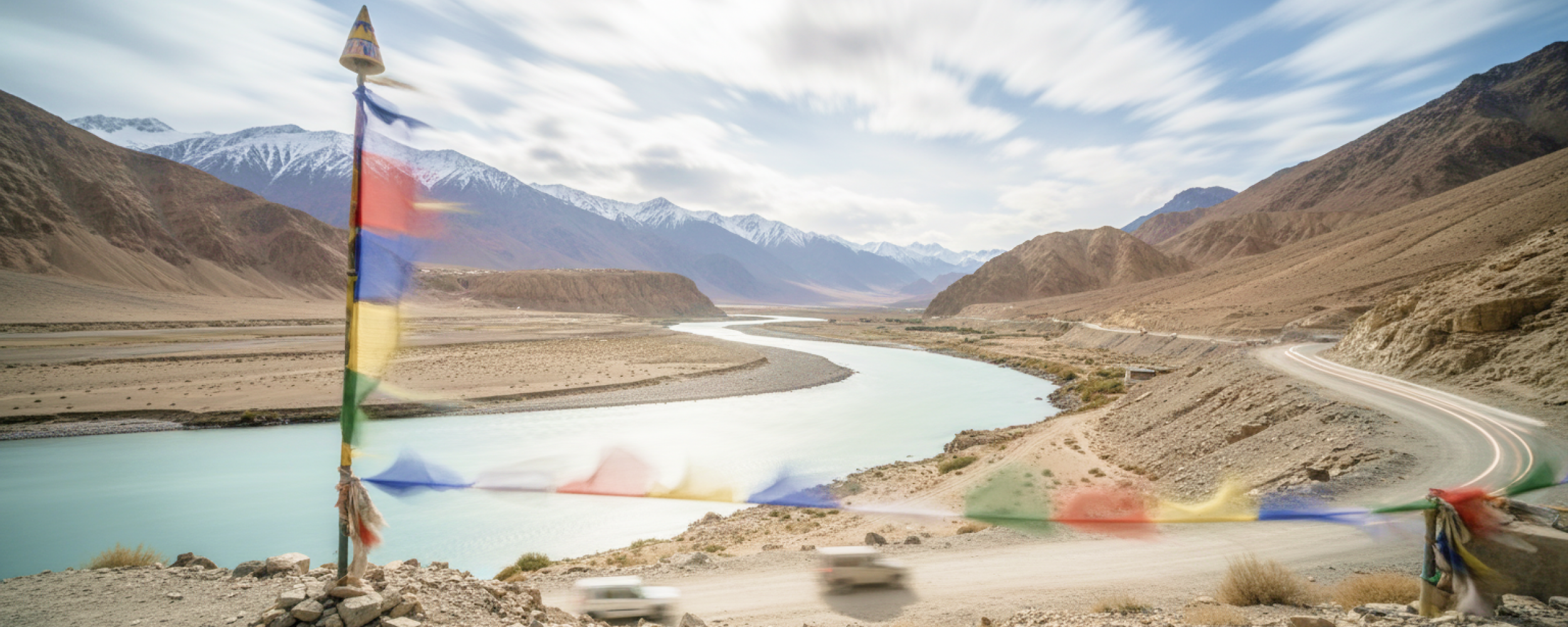
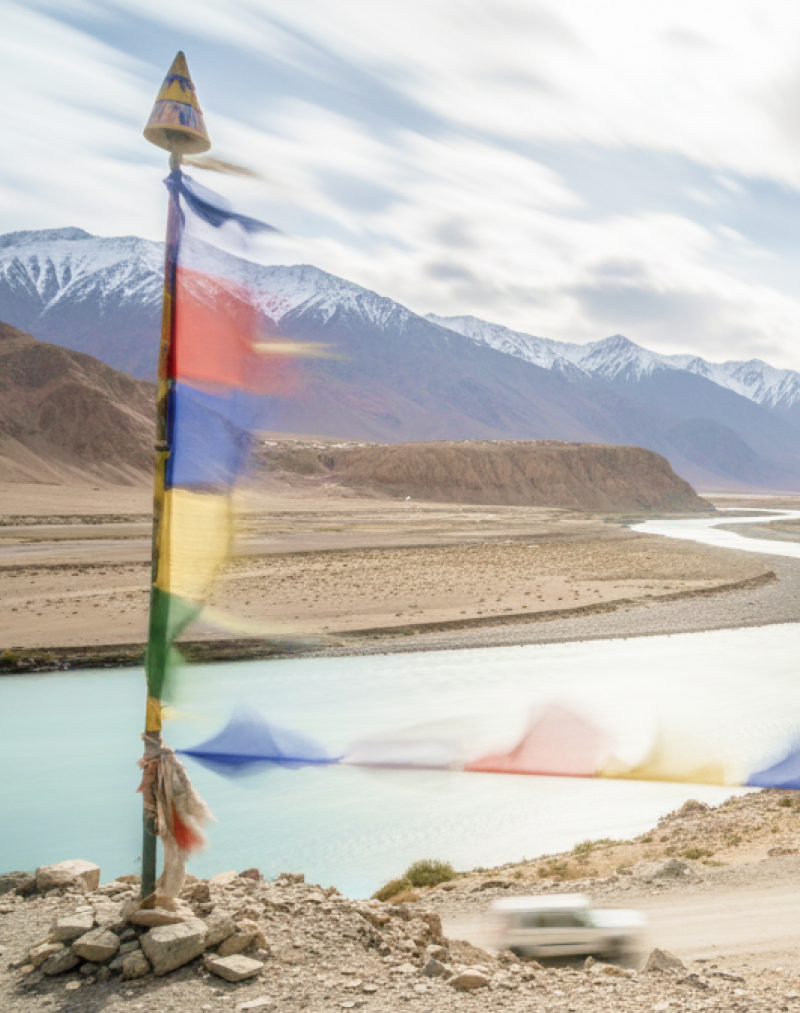
Summer is the only time to visit Leh and Ladakh properly. The high mountain passes open in late May. Daytime temperatures then settle at a comfortable 15°C–22°C — cool, clear, and utterly unlike the rest of India. Pangong Lake and Nubra Valley are the iconic stops. Additionally, ancient monasteries like Thiksey Monastery and Hemis Monastery are equally rewarding. Direct flights connect Kushok Bakula Rimpoche Airport to Delhi and Mumbai. Budget around ₹1,500–₹2,500 per night for a comfortable guesthouse in Leh town. One important note: altitude sickness is real at 3,500 metres. Plan two full rest days before attempting any serious trekking.
Manali and Spiti Valley
Manali sits at 2,050 metres in Himachal Pradesh. Consequently, it stays pleasantly cool at 15°C–25°C through May and June. Thrill-seekers head for Solang Valley for paragliding and zip-lining. Meanwhile, nature lovers make for the dramatic Rohtang Pass and the cascading Jogini Falls. Further east, Spiti Valley takes you somewhere even more extraordinary. It’s a high-altitude desert of bone-white mountains and centuries-old Buddhist monasteries. Phone signal is minimal, and that’s part of the appeal. Spiti homestays cost as little as ₹600–₹800 per night including meals. The nearest airport is Kullu-Manali Airport at Bhuntar, roughly 50 km away. Taxis into town run ₹1,000–₹1,200.
Shimla
Shimla is the most approachable Himalayan escape, especially for first-time visitors. Temperatures in May and June sit between 15°C and 25°C. Additionally, the town is well connected to Delhi by both road and rail. Mall Road is the social heartbeat — cafes, woolen shops, and street food stalls all within easy walking distance. The narrow-gauge Kalka–Shimla toy train is a UNESCO-listed heritage experience. It’s also a wonderfully scenic way to arrive from the plains. Day trips to Kufri add cooler air and panoramic mountain views. Mid-range hotels run ₹2,000–₹4,000 per night. Book early, though — Shimla fills up fast once Indian school holidays begin in May.
The Northeast: Lush, Quiet, and Worth the Detour
Darjeeling and Sikkim
Darjeeling in summer is something special. Temperatures hover around 15°C–20°C, the tea gardens are at their most vividly green, and the crowds are a fraction of the winter peak. The Darjeeling Himalayan Railway — a UNESCO World Heritage toy train — winds through the hills to the hilltop station at Ghum. Setting an early alarm for sunrise at Tiger Hill is non-negotiable. On a clear morning, Kangchenjunga rises magnificently above the clouds. Bagdogra Airport is the nearest hub. From there, taxis take about three hours up to town. Next door, Sikkim is even quieter — Gangtok sits just 95 km from Darjeeling and makes a natural extension. Guesthouses in Darjeeling start from around ₹1,000 per night.
Meghalaya: Where the Rain Is the Point
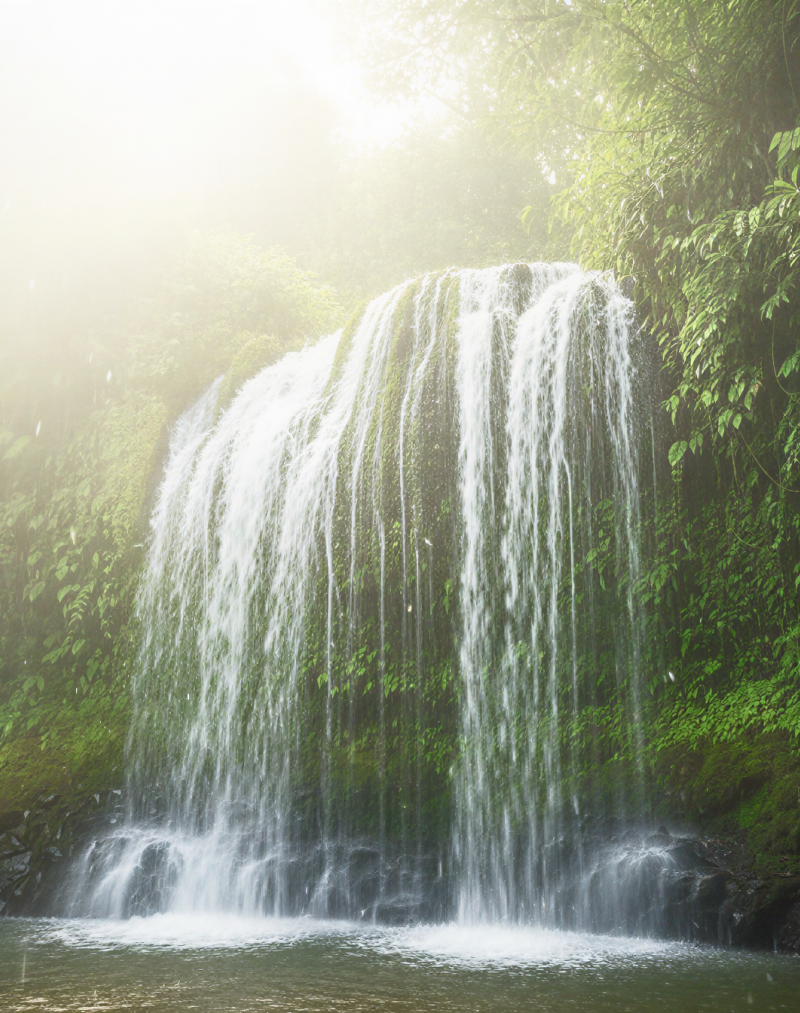
Rather than avoiding the monsoon, Meghalaya asks you to embrace it. The state receives some of the highest rainfall on earth. As a result, the landscape is extraordinary — improbably green, threaded with waterfalls, and unlike anywhere else in India. Shillong, the capital, stays around 20°C–25°C even in June. From there, Cherrapunji (officially Sohra) is a short drive south. It’s famous for its Living Root Bridges — natural walkways grown over centuries by the Khasi people. The Nohkalikai Falls nearby is India’s tallest plunge waterfall. Guwahati Airport is the main entry point, about 95 km from Shillong. Taxis from the airport cost ₹1,800–₹2,500. Affordable guesthouses in Shillong start from ₹1,200 per night.
The South: Hill Stations and Plantation Drives
Munnar, Kerala
Munnar sits at 1,600 metres in the Western Ghats. Accordingly, it stays cool all summer — temperatures rarely push past 25°C even in May. Rolling tea gardens stretch in every direction. Eravikulam National Park is home to the endangered Nilgiri tahr. Entry costs ₹35 for Indian visitors and ₹300 for foreign nationals. Catching sunset from Top Station on a clear evening is one of those views that stays with you. The nearest airport is Kochi, about 110 km away. Taxis run ₹2,000–₹2,500 for the transfer. Homestays with plantation views typically cost ₹1,800–₹3,000 per night — excellent value.
Coorg (Kodagu), Karnataka
Coorg earns its “Scotland of India” nickname honestly. Misty mountains, dense coffee estates, and a cool, damp climate make it feel like a different world. May temperatures stay between 15°C and 25°C. Abbey Falls near Madikeri hits its dramatic peak in early monsoon. Over at Dubare Elephant Camp, morning sessions let you bathe and feed elephants alongside the mahouts. Furthermore, Raja’s Seat in Madikeri is worth timing your whole day around for sunset. Bangalore is the nearest major airport — a four-hour drive. Mid-range plantation stays run ₹2,500–₹5,000 per night.
Ooty, Tamil Nadu
Ooty (Udhagamandalam) in the Nilgiri Hills stays genuinely cool all summer — typically 12°C–20°C, dropping noticeably at night. The Government Botanical Garden is among India’s finest. Entry costs ₹30 for Indian visitors and ₹50 for foreign nationals. The Nilgiri Mountain Railway is another UNESCO heritage toy train. It climbs through thick forest and tea estates from Mettupalayam. A heritage class seat costs around ₹30–₹40 and the journey takes about five hours. Coimbatore Airport is the nearest hub, 90 km away. Alternatively, Ooty is reachable from Bangalore by road in roughly five hours.
Islands: The Andamans Before the Monsoon Arrives
April and early May represent the Andaman Islands at their most inviting. The seas are calm, visibility for snorkelling and diving is excellent, and the beaches are quiet. Radhanagar Beach on Havelock Island (Swaraj Dweep) consistently ranks among Asia’s best beaches. In early April, you might share it with just a handful of other visitors. Cellular Jail in Port Blair is a sobering colonial-era landmark. Entry costs ₹30 for Indians and ₹200 for foreign nationals. All foreign visitors need a Restricted Area Permit (RAP). Fortunately, it’s issued free at Port Blair Airport on arrival and is valid for 30 days. Direct flights connect Port Blair to Delhi, Mumbai, Chennai, and Kolkata.
Getting Around and Paying as You Go
Across every destination on this list, UPI is how India pays — from mountain dhabas in Manali to beach shacks in the Andamans. As a foreign tourist or NRI, you can access it through Mony, a travel finance app that lets NRIs and tourists pay like locals using UPI. Instead of hunting for ATMs in remote hill towns, you simply scan and pay. This is especially useful in places like Spiti Valley or Coorg, where ATMs are genuinely sparse and card machines are unreliable.
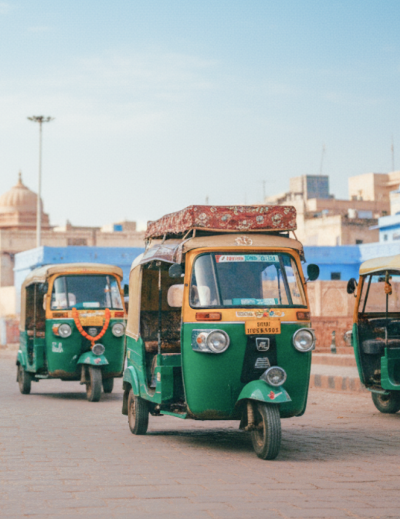
For getting between towns, shared jeeps and local buses are the most economical option. Fares rarely exceed ₹50–₹200 for inter-town routes. Alternatively, hiring a private taxi for the day runs ₹2,000–₹3,500 and suits families or small groups well. Auto-rickshaws handle short hops in larger hubs like Shimla or Shillong for ₹30–₹100. For longer distances, overnight trains are both practical and affordable. A second-class AC berth typically costs ₹600–₹1,200 depending on the route.
One last packing note worth remembering: even the warmest hill stations drop sharply after dark. Carry a light fleece regardless of how hot your departure city felt. For Leh and Spiti, thermals and a windproof layer are non-negotiable. Additionally, sunscreen matters more at altitude than most people expect — pack a high SPF and apply it generously. Above all, book accommodation well in advance for May and June. Shimla, Manali, and Munnar fill up quickly once school holidays kick off across India, and the best-value homestays disappear first.


Leave a Reply