
Table of Contents
Most people assume India in June and July is a write-off. The monsoon is rolling in, the plains are steaming, and half the country looks like it’s underwater. But honestly? That picture is incomplete. India in June and July is genuinely spectacular in the right places — and because most tourists stay away, you get the crowds-free, prices-down version of some of the country’s finest destinations. The key is understanding where the monsoon is an asset, where it hasn’t arrived yet, and where it simply doesn’t matter.
How the Monsoon Actually Works
India’s monsoon doesn’t arrive everywhere at once — it sweeps in from the southwest coast in early June and moves progressively northeast over the following weeks. Kochi and Kerala get the first rains, usually around 1 June. Mumbai follows around mid-June. Delhi and the north don’t see proper monsoon rains until late June or early July. Meanwhile, Ladakh and Spiti Valley in the far north remain largely dry throughout — the Himalayas block the monsoon clouds from crossing over. That staggered pattern means smart travellers can simply follow the dry window across the country.
The Best Places for India in June and July
Ladakh and Spiti Valley — Dry, Cool, and Jaw-Dropping
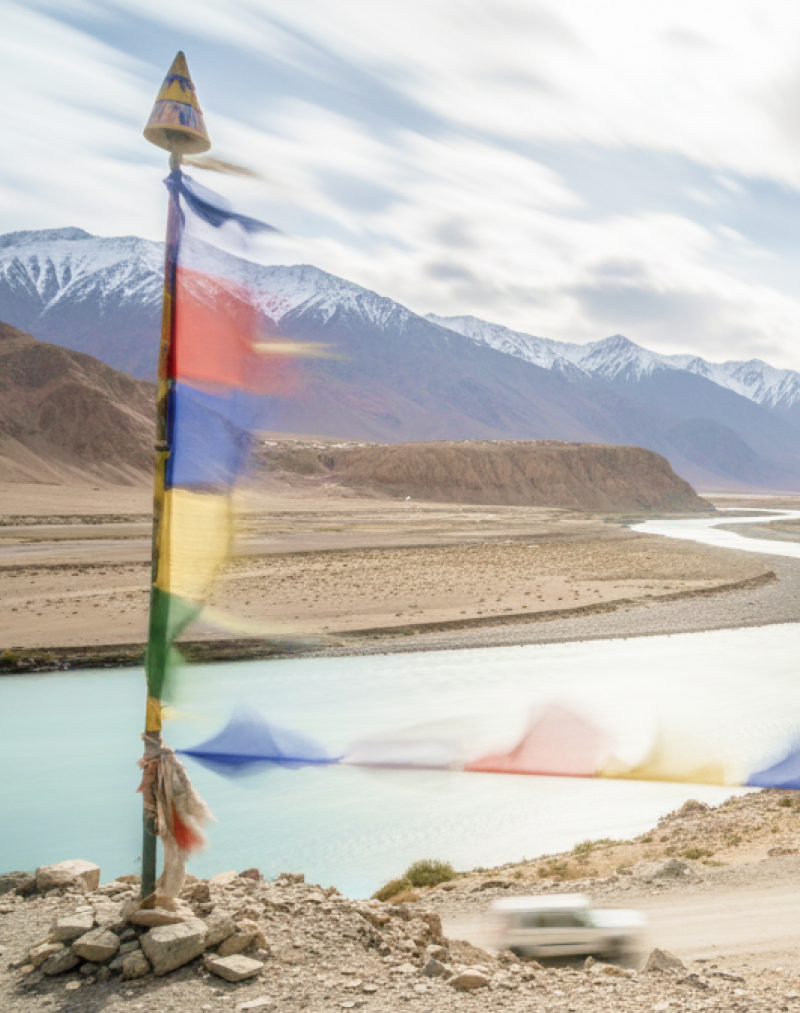
Ladakh is arguably India’s best destination in June and July, full stop. Roads open in late May, temperatures stay between 15°C and 22°C, and the desert landscapes are completely unaffected by the monsoon. Pangong Lake turns a surreal shade of blue in summer light, and Nubra Valley — reached via the dizzying Khardung La Pass — feels like another planet entirely. Ancient monasteries like Diskit Monastery and Thiksey Monastery are open and accessible throughout. Flights connect Kushok Bakula Rimpoche Airport directly to Delhi and Mumbai. Budget ₹1,500–₹2,500 per night for a guesthouse in Leh town, and plan two rest days on arrival to acclimatise to the 3,500-metre altitude.
Similarly, Spiti Valley in Himachal Pradesh sits in the Himalayan rain shadow and stays dry and clear through June and July. The Key Monastery, perched above the Spiti River at 4,166 metres, is one of the most striking sights in all of India. Local homestays in Spiti villages cost ₹600–₹900 per night including meals, and they’re almost always more memorable than any hotel.
Himachal Pradesh: Manali, Shimla, and Dharamshala
While Spiti stays dry, Manali and Shimla do see some monsoon rain in July — but it’s the picturesque kind, with mist drifting through pine forests rather than the relentless downpours of the coast. Temperatures remain a lovely 15°C–25°C. In Manali, Solang Valley turns lush green and the waterfalls swell dramatically. Shimla’s Mall Road stays lively despite the clouds, and day trips to Kufri offer cool air and panoramic views between showers. Dharamshala — home to the Tibetan government in exile and the Namgyal Monastery — is equally pleasant and significantly less crowded than Manali in June. The nearest airport for Dharamshala is Gaggal, just 15 km away. Mid-range hotels across Himachal Pradesh run ₹1,800–₹4,000 per night.
Darjeeling and Sikkim
June and July bring mist and light rain to Darjeeling and Sikkim — but also their most beautiful colours. The tea gardens turn an extraordinary deep green, the valleys fill with low cloud, and the whole region feels like it belongs in a different era. Darjeeling town sits at around 2,050 metres and stays between 14°C and 20°C. Sunrise at Tiger Hill is still worth attempting — clear mornings do happen, and a Kangchenjunga sighting from there is unforgettable. The Darjeeling Himalayan Railway toy train runs year-round and is one of India’s great travel experiences. Bagdogra Airport is the nearest hub, with a three-hour taxi ride up to town. Next door, Sikkim’s capital Gangtok is 95 km away and makes a natural extension — budget guesthouses in both towns start from ₹1,000 per night.
Meghalaya: Where Rain Is the Whole Point
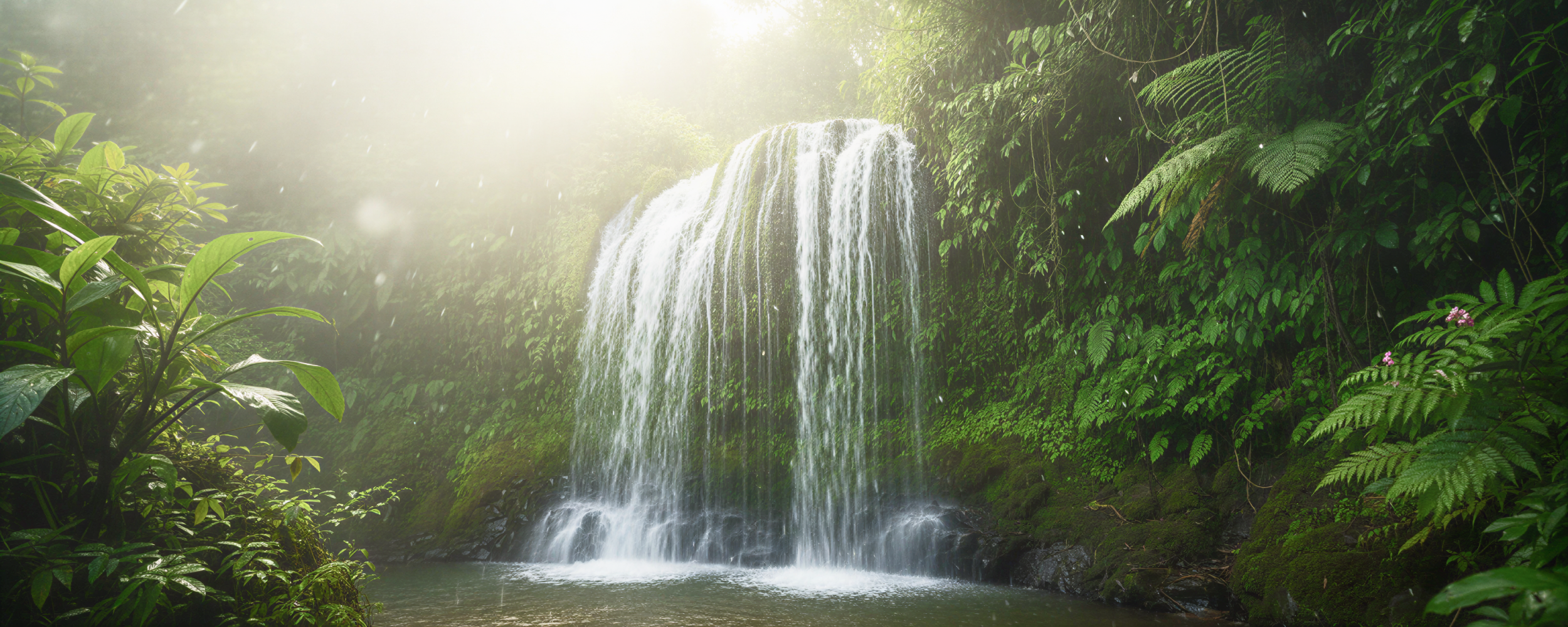
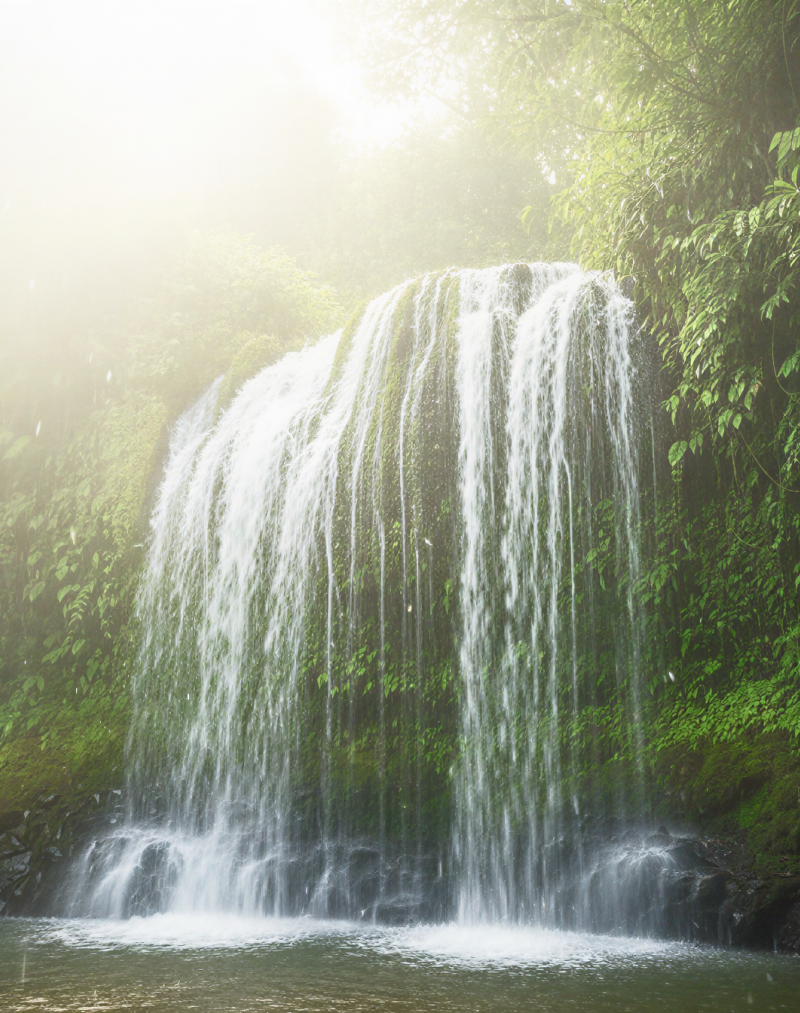
If you’re visiting India in June and July and want to see the monsoon at its most dramatic, go to Meghalaya. The state sits on some of the wettest terrain on earth — and it’s jaw-droppingly beautiful because of it. Shillong, the capital, stays cool at 20°C–25°C. A short drive south brings you to Cherrapunji (officially Sohra), where the Living Root Bridges — natural walkways grown over centuries from the roots of rubber trees by the Khasi people — are at their most lush and green. The Nohkalikai Falls, India’s tallest plunge waterfall, is most powerful right now. Guwahati Airport is the entry point, about 95 km from Shillong, with taxis at ₹1,800–₹2,500. Guesthouses in Shillong start from around ₹1,200 per night.
Kerala and Munnar: Embrace the Green Season
Kerala receives the monsoon first and most dramatically, and while beach holidays are off the table, the hill stations and backwaters become extraordinarily lush. Munnar at 1,600 metres stays cool at 15°C–22°C and the tea plantations turn a deep, saturated green that looks almost unreal. Eravikulam National Park stays open for part of the season; entry is ₹35 for Indian nationals and ₹300 for foreign visitors. The Mattupetty Dam surrounded by mist and monsoon cloud is a genuinely beautiful sight. Hotels in Munnar drop significantly in price during June–July — good plantation homestays that cost ₹4,000 in peak season can fall to ₹2,000 or less. The nearest airport is Kochi, about 110 km away.
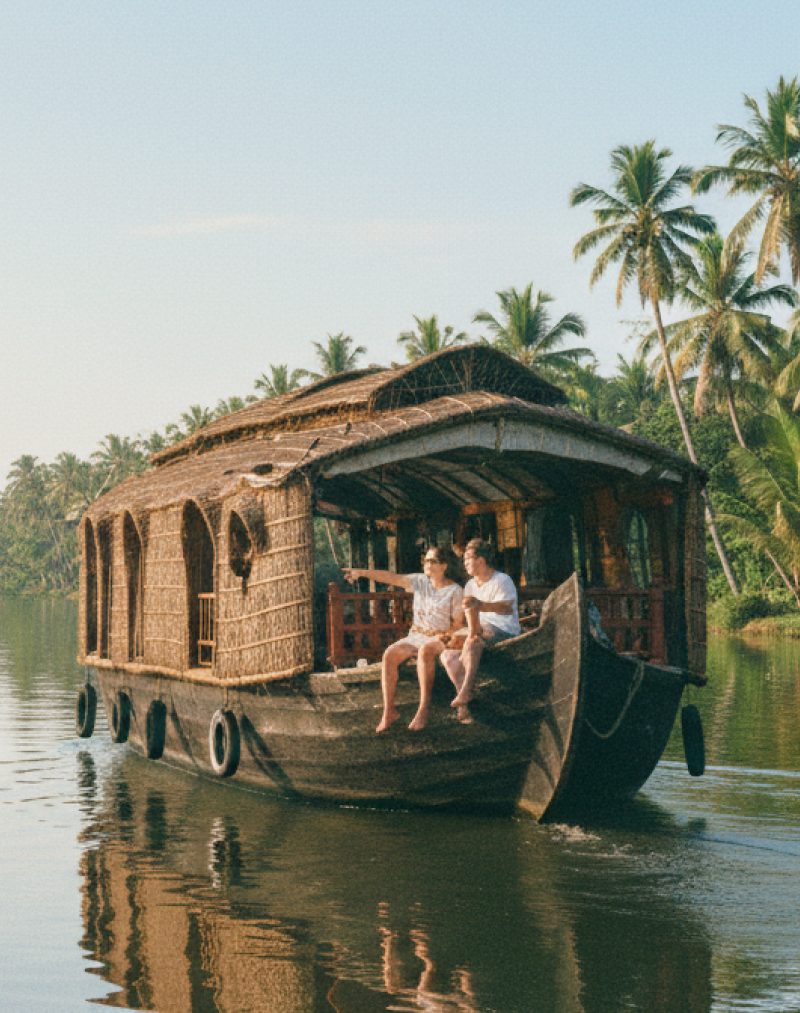
The Kerala backwaters around Alleppey (Alappuzha) also take on a different, greener character in monsoon season. Houseboat operators offer lower rates, and the waterways are fuller than at any other time of year. It rains — but often in intense bursts rather than all day, and the periods of calm between showers are genuinely peaceful.
Coorg and Ooty: Cool, Misty, and Worth It
Both Coorg (Kodagu) in Karnataka and Ooty in Tamil Nadu are well worth visiting in June and July if you don’t mind intermittent rain. Coorg’s coffee and spice estates are at their most lush, Abbey Falls near Madikeri is at full, thundering force, and the Dubare Elephant Camp operates morning sessions year-round. Temperatures stay between 15°C and 22°C. Ooty at 2,240 metres is similarly cool and green in monsoon; the Government Botanical Garden looks exceptional after rain. Bangalore is the nearest major airport for both destinations — roughly four to five hours by road.
Where to Avoid in June and July
Some destinations are genuinely challenging during these months. Goa in June and July sees heavy, sustained rain — most beach shacks close entirely, the sea is too rough for swimming, and the mood of the place changes completely. Delhi, Jaipur, and Agra are hot, humid, and prone to waterlogging before the monsoon breaks — though they improve somewhat in July once the rains arrive. Mumbai in monsoon is an experience in itself, but it’s a city best visited by those who already know it rather than first-time India visitors navigating flooded streets.
Getting Around and Paying Like a Local
Across all these destinations, UPI is the dominant way to pay — and it works just as well in a Ladakhi guesthouse or a Meghalayan roadside stall as it does in a city restaurant. As a foreign tourist or NRI, you can access it through Mony, a travel finance app that lets NRIs and tourists pay like locals using UPI. This matters especially in remote areas like Spiti Valley or the Meghalaya countryside, where ATMs are few and card readers are unreliable. Scanning a QR code is faster and simpler than anything else.
For transport between hill towns, shared jeeps are the most practical and affordable option — fares typically run ₹50–₹250 depending on distance. Private taxis for a full day cost ₹2,000–₹3,500 and give you much more flexibility in places with limited public transport. In larger towns like Shimla, Shillong, or Darjeeling, auto-rickshaws cover short hops for ₹30–₹100. For reaching these destinations from major cities, overnight trains to the nearest plains hub — followed by a taxi or shared jeep up into the hills — are often the most comfortable and economical option.
One practical note that catches many visitors off guard: monsoon roads in the Himalayas can close suddenly due to landslides. Always build an extra day or two into your itinerary as buffer, particularly when travelling between Manali, Spiti, and Leh. Check road conditions locally on the day of travel rather than relying on advance reports. That flexibility — combined with a waterproof jacket and a solid pair of shoes — is genuinely all you need to have a brilliant trip to India in June and July.



Leave a Reply