
Delhi’s Historical Monuments Worth Stepping Into
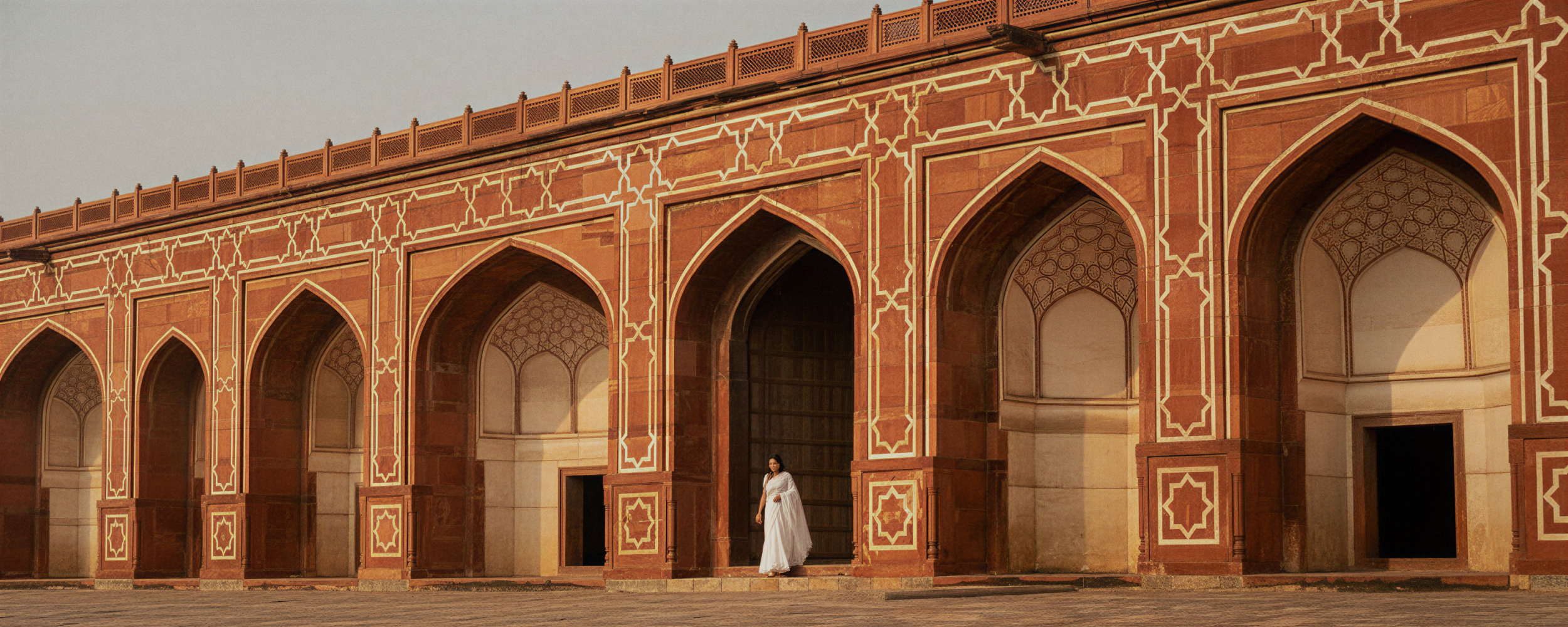
Delhi has accumulated more layers of history than almost any other city on earth. As a result, the historical monuments in Delhi span over a thousand years of architecture, empire, and cultural change — from early medieval stepwells to Mughal garden tombs to colonial-era memorials. Each site tells a different part of the same long story. Taken together, they make Delhi one of the most rewarding cities in the world for anyone drawn to the past.
Red Fort — A Symbol of India’s Heritage
Red Fort is the most recognisable of all the historical monuments in Delhi. Mughal Emperor Shah Jahan built it in the 17th century. Its massive red sandstone walls enclose palaces, pavilions, and gardens that once formed the ceremonial heart of the Mughal Empire. Today, it is a UNESCO World Heritage Site. Furthermore, it is the location from which India’s Prime Minister addresses the nation each Independence Day.
Practical Information
The fort opens Tuesday to Sunday from 9:30 AM to 4:30 PM and closes on Mondays. Entry costs Rs 35 for Indian nationals and Rs 500 for foreign visitors. An evening light and sound show runs on most days after sunset. Check the Archaeological Survey of India website for current schedules. The nearest metro station is Lal Qila Metro Station on the Violet Line, a short walk from the main entrance.
Raj Ghat — Memorial to Mahatma Gandhi
Raj Ghat sits on the banks of the Yamuna River. It marks the site where Mahatma Gandhi was cremated on 31 January 1948. The memorial is simple by design — a black marble platform surrounded by well-maintained gardens. That restraint gives it a quiet authority. It is one of the most reflective of the historical monuments in Delhi, drawing visitors who come to pay their respects rather than merely sightsee.
Practical Information
Raj Ghat opens every day from 6:00 AM to 6:00 PM. Entry is free. The nearest metro station is ITO Metro Station on the Violet Line. From there, a short auto-rickshaw or cab ride costing Rs 30 to Rs 60 brings you to the memorial.
Qutub Minar — Architectural Marvel of the 12th Century
At 73 metres, Qutub Minar is the tallest brick minaret in the world. Qutub-ud-din Aibak began construction in the late 12th century, and successive rulers completed it over the following decades. The surrounding Qutub Complex contains several equally significant structures. These include the Quwwat-ul-Islam Mosque — the earliest surviving mosque built in India — and the ancient Iron Pillar, which has stood for over 1,600 years without rusting. Together, they form another UNESCO World Heritage Site and one of the most visited historical monuments in Delhi.
Practical Information
The complex opens daily from sunrise to sunset. Entry costs Rs 40 for Indian nationals and Rs 600 for foreign visitors. The nearest metro station is Qutab Minar Metro Station on the Yellow Line. From the station, the entrance is a 10-minute walk or a short auto-rickshaw ride costing Rs 20 to Rs 40.
Agrasen ki Baoli — A Hidden Stepwell in the City Centre
Agrasen ki Baoli is one of the least-known but most visually striking of the historical monuments in Delhi. This ancient stepwell dates to the 14th century. It descends through symmetrical arched galleries to a water reservoir at its base. It sits in the middle of Connaught Place, surrounded by offices and commercial buildings. That proximity makes its survival feel almost improbable. Moreover, photographers find it especially rewarding in the early morning before crowds arrive.
Practical Information
Agrasen ki Baoli opens daily from 9:00 AM to 5:30 PM. Entry is free. The nearest metro station is Barakhamba Road Metro Station on the Blue Line, just five minutes on foot from the stepwell entrance.
Purana Qila — Delhi’s Oldest Fort
Purana Qila stands on a site with over 2,500 years of continuous settlement. The current structure dates primarily to the 16th century. Sher Shah Suri started it, and Mughal Emperor Humayun continued the work. Within its walls stand the Qila-i-Kuhna Mosque — a refined example of early Mughal architecture — and the Sher Mandal, a two-storey octagonal tower. A lake outside the fort’s walls offers boating and is popular with families in the late afternoon.
Practical Information
The fort opens daily from sunrise to sunset. Entry costs Rs 20 for Indian nationals and Rs 300 for foreign visitors. An evening sound and light show takes place most days after dark — check locally for current timings. The nearest metro station is Pragati Maidan Metro Station on the Blue Line, about 10 minutes on foot from the main gate. Boating at the adjacent lake costs Rs 50 to Rs 100 per person depending on the boat type.
Humayun’s Tomb — The Precursor to the Taj Mahal
Humayun’s Tomb was the first garden tomb built in India. It directly influenced the design of the Taj Mahal, which came nearly a century later. Builders completed it in 1570, combining Persian architectural principles with Indian craftsmanship. A double dome of white marble rises above a symmetrical garden divided by water channels. The complex holds UNESCO World Heritage status. Among the historical monuments in Delhi, it consistently rewards visitors who explore the full complex rather than just the main tomb.
Practical Information
Humayun’s Tomb opens daily from sunrise to sunset. Entry costs Rs 40 for Indian nationals and Rs 600 for foreign visitors. The nearest metro station is JLN Stadium Metro Station on the Violet Line. From there, a cab or auto-rickshaw to the tomb takes five minutes and costs Rs 30 to Rs 60. Allow at least 90 minutes to see the main tomb and surrounding complex properly.
Safdarjung Tomb — Mughal Serenity off the Tourist Trail
Builders completed Safdarjung Tomb in 1754. It marks the end of the great Mughal tradition of monumental garden tombs. The structure uses sandstone and marble throughout. It lacks the scale of Humayun’s Tomb, but its gardens are quieter and crowds are noticeably smaller. In the late afternoon, when the light softens and most visitors have left, it becomes one of the most peaceful of the historical monuments in Delhi.
Practical Information
The tomb opens daily from sunrise to sunset. Entry costs Rs 25 for Indian nationals and Rs 310 for foreign visitors. The nearest metro station is INA Metro Station on the Yellow and Pink lines. From the station, the tomb is a 10-minute walk or a short auto-rickshaw ride costing Rs 20 to Rs 40.
Lodhi Garden — History You Can Walk Through
Lodhi Garden is one of Delhi’s most pleasant parks. It contains several significant medieval tombs within its landscaped grounds. The tombs of Muhammad Shah and Sikandar Lodi, built in the 15th and 16th centuries, sit alongside walking paths and open lawns. Locals use these paths daily, which creates an unusual experience — encountering 500-year-old architecture in what is effectively a city park. This quality makes Lodhi Garden distinctive among the historical monuments in Delhi.
Practical Information
Lodhi Garden opens daily from 6:00 AM to 8:00 PM. Entry is free. The nearest metro station is Jor Bagh Metro Station on the Yellow Line. Nearby, the Lodhi — The Garden Restaurant is a popular lunch stop, with meals costing approximately Rs 800 to Rs 1,500 per person.
Visiting Delhi’s Monuments with Mony
Moving between the historical monuments in Delhi involves metro rides, auto-rickshaws, entry fees, and street food stops. Most of these payments work best in cash or via UPI. Foreign cards frequently fail at smaller vendors. Moreover, poor exchange rates quietly reduce your spending power across a full day of sightseeing. Mony removes this friction entirely. It is a travel finance app for NRIs and tourists. Specifically, it lets you pay like a local — using UPI, local cards, or cash — with no hidden fees and the best exchange rates. Whether you buy a metro token at Rajiv Chowk, pay entry at Qutub Minar, or grab chaat near Red Fort, Mony keeps every transaction simple.











Leave a Reply