
Discovering Agra: A Guide to Its Iconic Monuments
When visiting Agra, one might wonder how many monuments the city has. While Agra boasts numerous historical sites, ten monuments truly stand out for their architectural brilliance and historical significance. Known for its Mughal heritage, Agra showcases the grandeur of a bygone era through these iconic landmarks. Whether you are visiting monuments near the Taj Mahal or exploring other historical sites across the city, Agra’s rich history is visible at every turn.
Taj Mahal
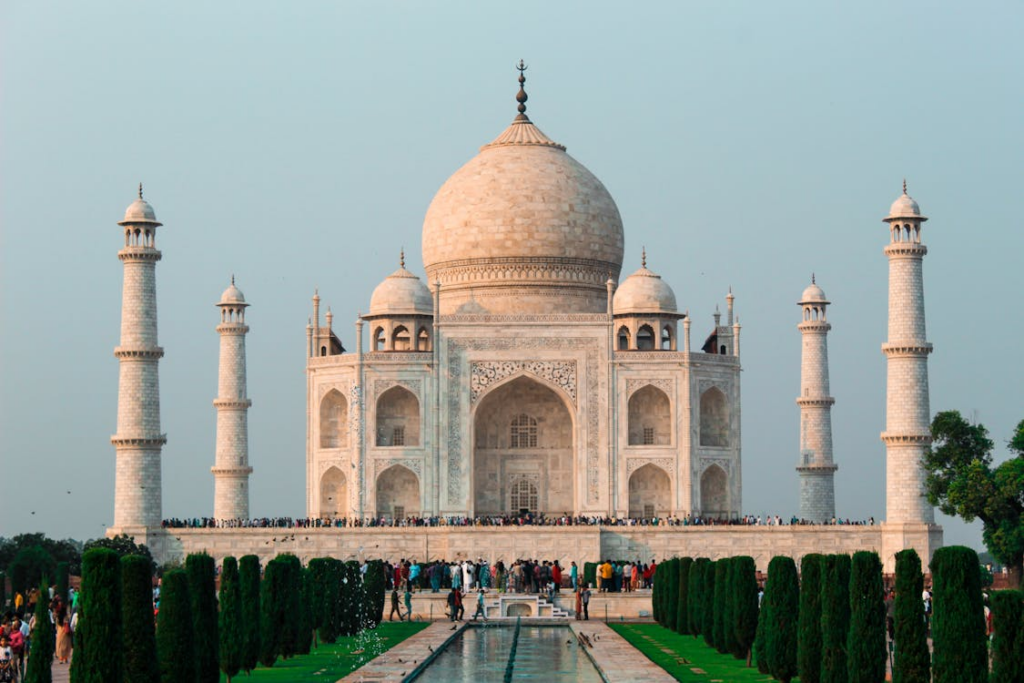
The Taj Mahal, a UNESCO World Heritage Site, is not only the most iconic monument in Agra but also one of the most recognized structures globally. Built by Emperor Shah Jahan in memory of his wife Mumtaz Mahal, this white marble mausoleum is celebrated for its breathtaking beauty, symmetry, and intricate craftsmanship.
Agra Fort
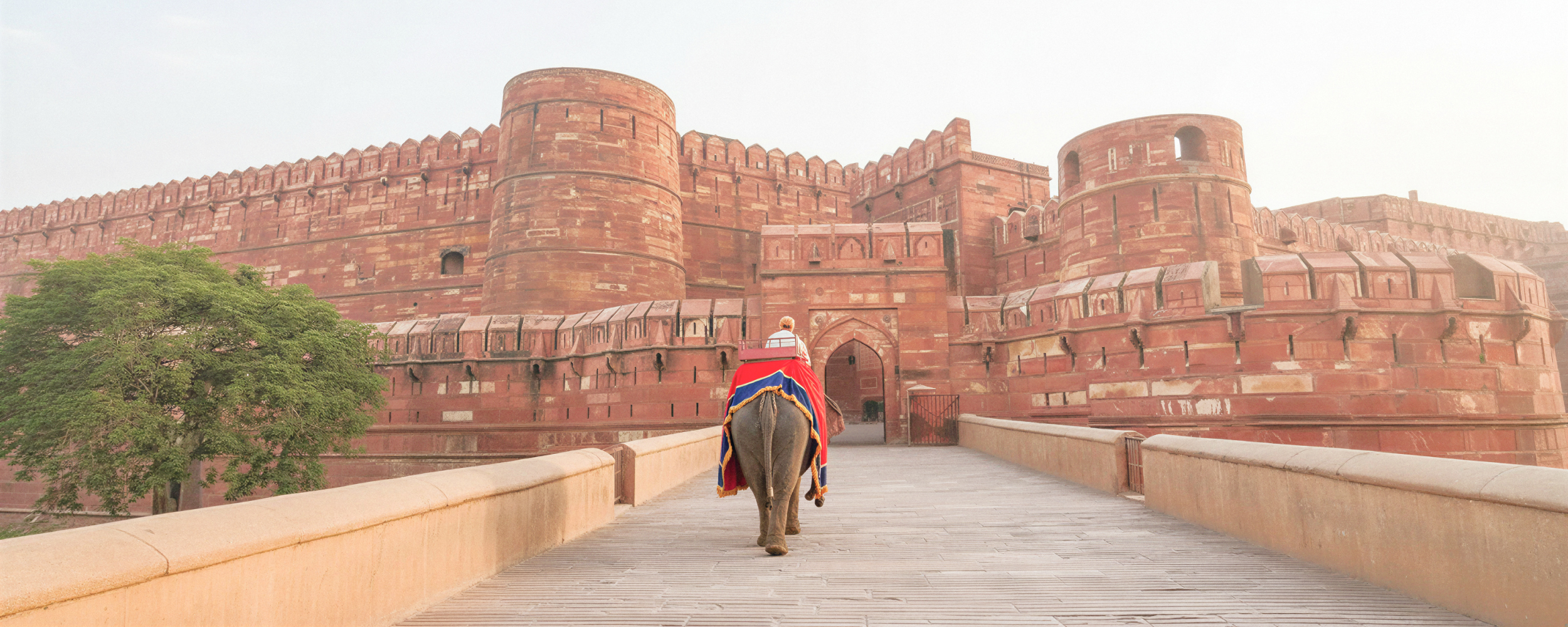
Agra Fort, a massive red sandstone fort, served as the primary residence of the Mughal rulers. Built by Emperor Akbar in the 16th century, it now stands as a UNESCO World Heritage Site. The fort’s history, impressive gates, and elaborate palaces make it one of the most important historical monuments in Agra.
Fatehpur Sikri
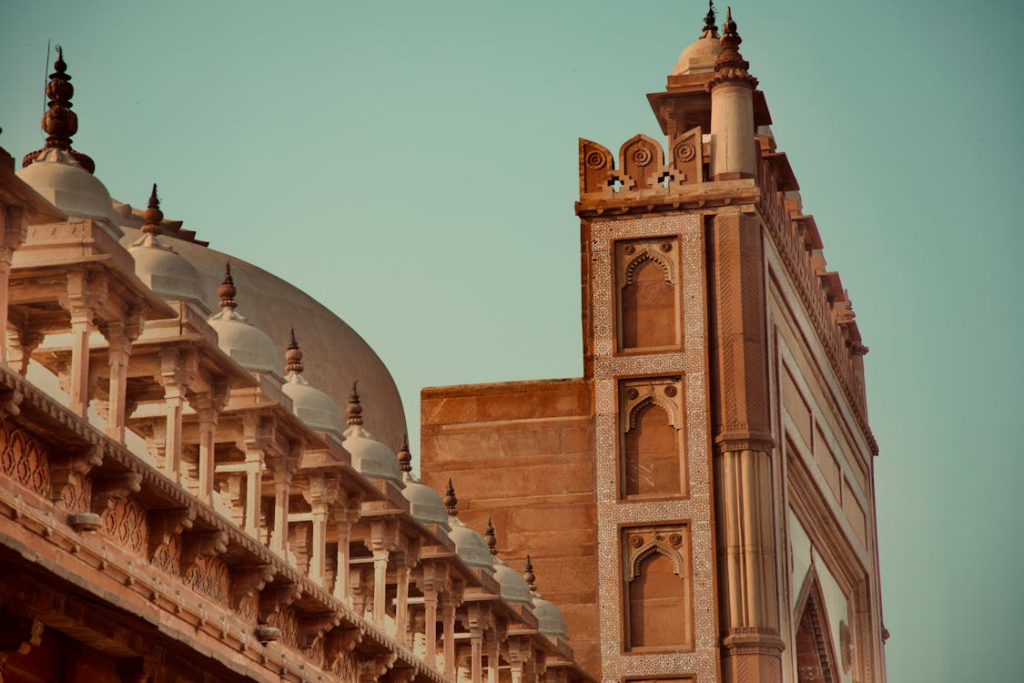
Located just outside Agra, Fatehpur Sikri is a well-preserved ancient city built by Emperor Akbar. This former Mughal capital showcases some of the finest examples of Mughal architecture, including the Buland Darwaza, Jama Masjid, and Panch Mahal. Visiting Fatehpur Sikri is a highlight for anyone exploring Agra’s monuments.
Itimad-ud-Daulah’s Tomb
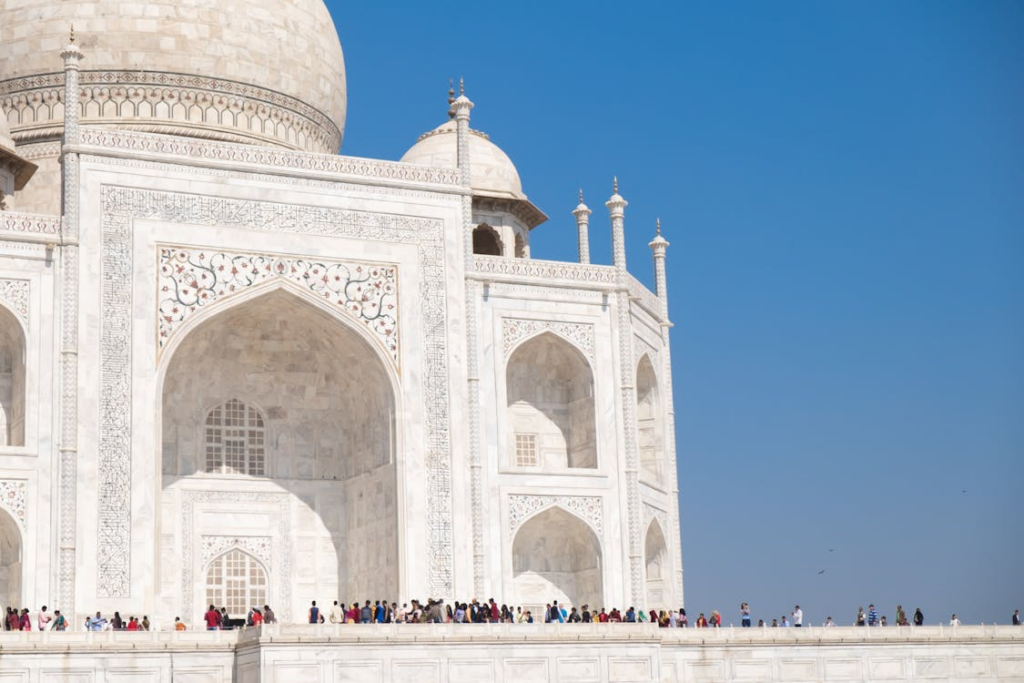
Often called the “Baby Taj,” Itimad-ud-Daulah’s Tomb is considered a precursor to the Taj Mahal. Built by Empress Nur Jahan for her father, the mausoleum is famous for its delicate marble inlay work and surrounding gardens, offering a tranquil and photogenic experience.
Akbar’s Tomb, Sikandra
The tomb of Emperor Akbar, located in Sikandra, is a magnificent example of Mughal architecture. Set within expansive gardens, the mausoleum features symmetrical pathways and ornate decorations, reflecting the artistic vision of one of India’s greatest emperors. It is also a prominent site among ASI-protected monuments in Agra.
Mehtab Bagh
Mehtab Bagh, situated across the Yamuna River, offers stunning views of the Taj Mahal. Originally designed as an integral part of the Taj complex, this garden is ideal for photography enthusiasts and provides a serene spot away from the city’s hustle and bustle.
Jama Masjid
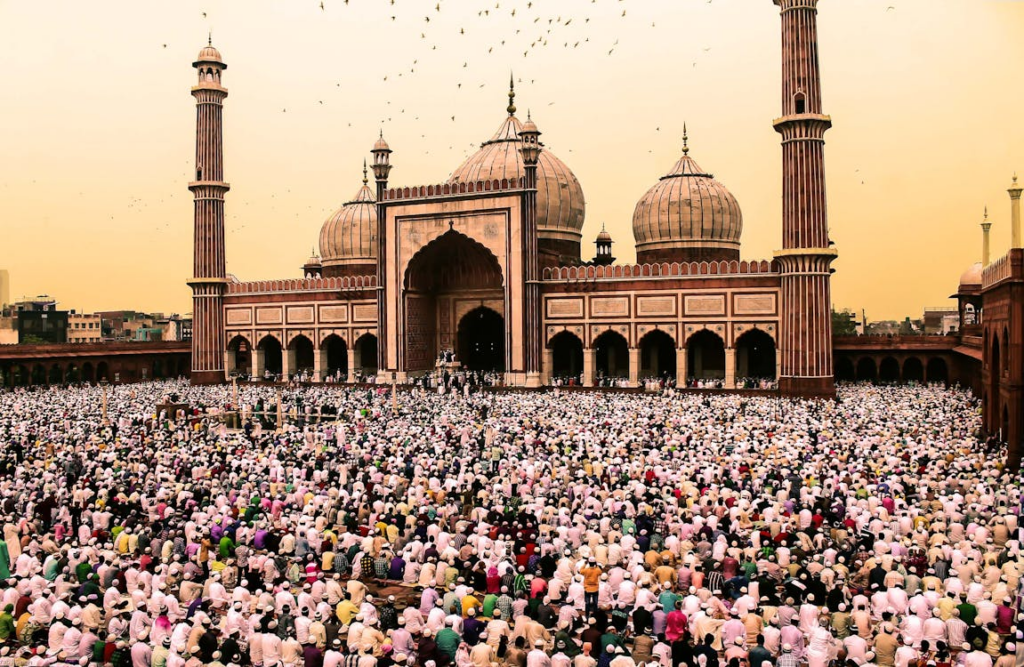
Jama Masjid, located opposite Agra Fort, is one of India’s largest mosques. Built by Shah Jahan in honor of his daughter, it is renowned for its grand architecture, spacious courtyards, and peaceful ambiance. It remains a significant site for both history and architecture enthusiasts.
Mariam’s Tomb
The tomb of Mariam-uz-Zamani, Akbar’s wife, is a beautiful Mughal garden tomb near Sikandra. Though lesser-known, it is worth visiting for its architectural elegance, intricate carvings, and tranquil surroundings.
Chini Ka Rauza
Chini Ka Rauza, a funerary monument dedicated to Shah Jahan’s prime minister, is notable for its Persian-style architecture and detailed tile work. This unique site is a testament to the artistic diversity and craftsmanship of the Mughal era.
Roman Catholic Cemetery
The Roman Catholic Cemetery in Agra is one of North India’s oldest Christian cemeteries. It houses the tomb of the Armenian merchant Khwaja Mortenepus along with other historical graves, offering insight into the city’s lesser-known multicultural history.
Experience Agra’s History Seamlessly with Mony
Visiting these historical monuments in Agra provides a deep dive into the city’s rich heritage. To make your exploration hassle-free, Mony offers a versatile payment solution. Whether you’re visiting monuments near the Taj Mahal or exploring the other top sites in Agra, Mony allows you to quickly scan and pay, letting you focus fully on the stunning architecture and history around you. Pay like a local and enjoy Agra’s treasures without worrying about cash.



Leave a Reply