
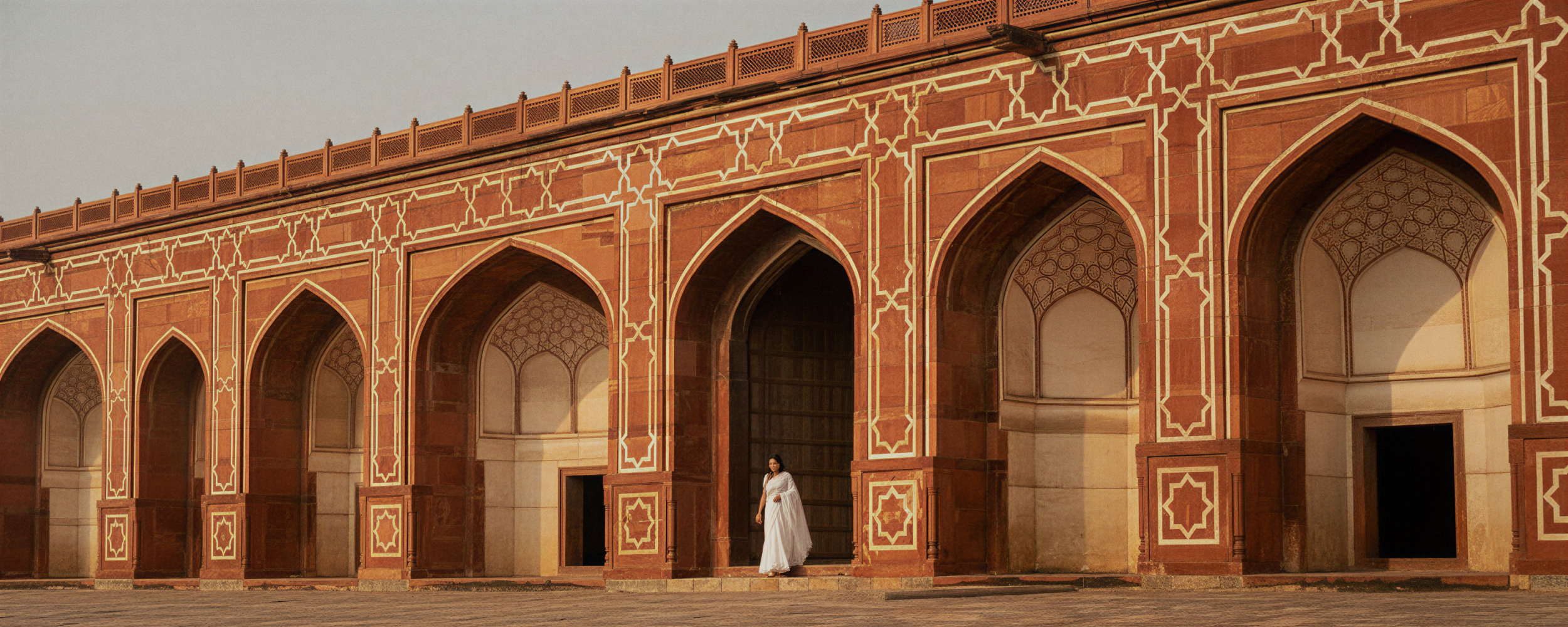
Top 8 Historical Monuments to Visit in Delhi
Delhi, a city steeped in history and culture, is home to some of India’s most iconic monuments. From Mughal forts to colonial-era memorials, these architectural wonders tell the story of a city that has shaped centuries of Indian history. Exploring these sites offers not only a glimpse into Delhi’s glorious past but also a chance to witness its enduring cultural legacy.
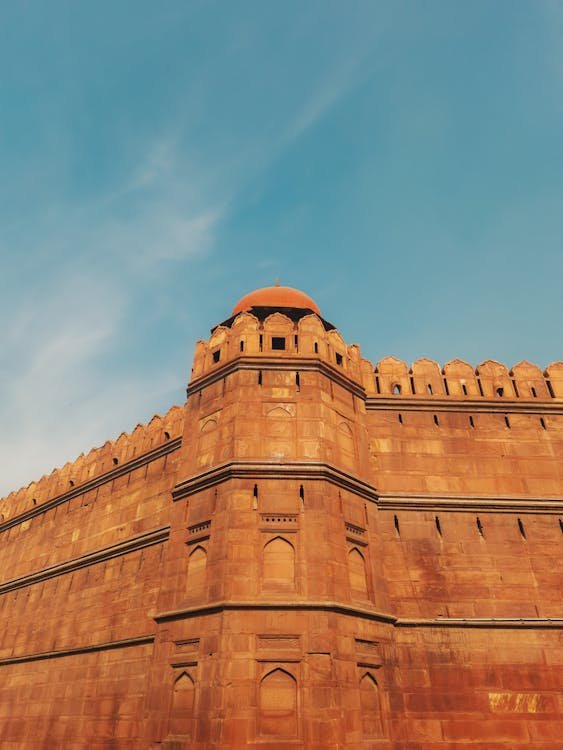
Red Fort – A Symbol of India’s Heritage
The Red Fort, a UNESCO World Heritage Site, stands as a symbol of India’s rich history and is the focal point of Independence Day celebrations. Built by Mughal Emperor Shah Jahan, its striking red sandstone walls enclose palaces, pavilions, and sprawling gardens. The evening light and sound show brings the fort’s fascinating history to life, making it a must-visit for history enthusiasts.
Raj Ghat – Paying Tribute to Mahatma Gandhi
Set along the serene banks of the Yamuna River, Raj Ghat is a memorial dedicated to Mahatma Gandhi, marking the site of his cremation. Surrounded by tranquil gardens, the memorial offers a peaceful retreat and a reflective atmosphere to honor the Father of the Nation.
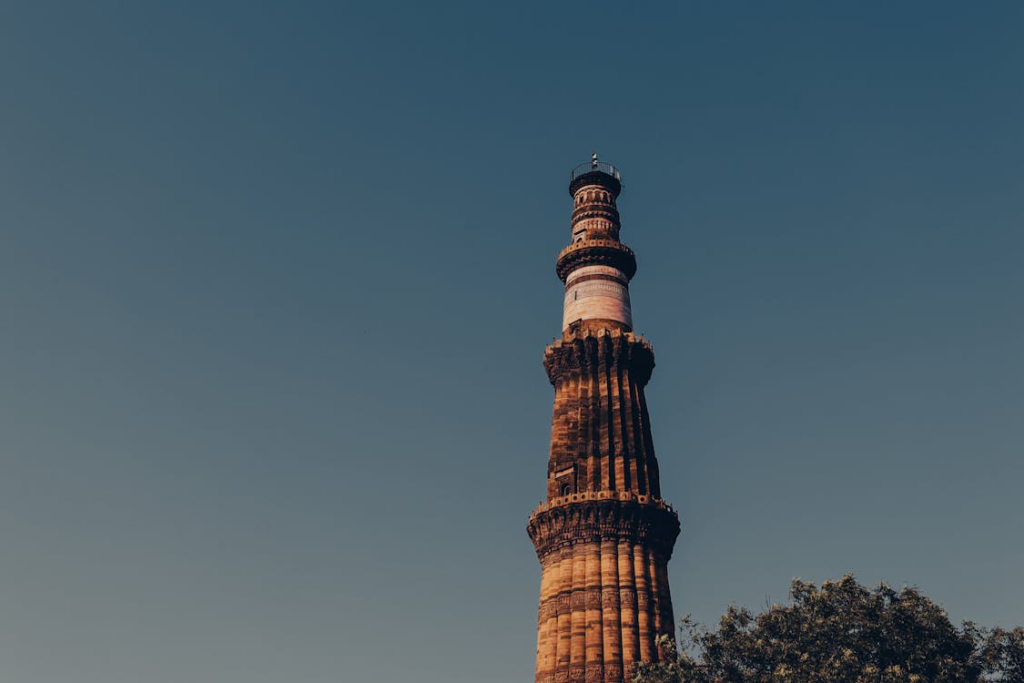
Qutub Minar – Architectural Marvel
Another UNESCO World Heritage Site, the Qutub Minar is the tallest brick minaret in the world, soaring 73 meters high. Initiated by Qutub-ud-din Aibak in the 12th century and completed by his successors, the Qutub Complex also includes the Quwwat-ul-Islam Mosque and the ancient Iron Pillar, renowned for its rust-resistant properties. Its towering presence and intricate carvings make it an architectural masterpiece.
Agrasen ki Baoli – Step Back in Time
Hidden in the heart of Delhi, Agrasen ki Baoli is an ancient stepwell believed to date back to the 14th century. Its descending steps leading to a water reservoir offer a quiet escape from the city’s hustle, and the structure’s symmetry and design make it a favorite spot for photographers and history buffs alike.
Purana Qila – Delhi’s Oldest Fort
Purana Qila, one of the oldest forts in Delhi, traces its origins to the Pre-Mughal era. Initially built by Sher Shah Suri and later completed by Humayun, the fort’s expansive walls enclose a serene lake, lush gardens, and historical structures like the Qila-i-Kuhna Mosque and Sher Mandal. The evening sound and light show adds a magical dimension to its rich history.
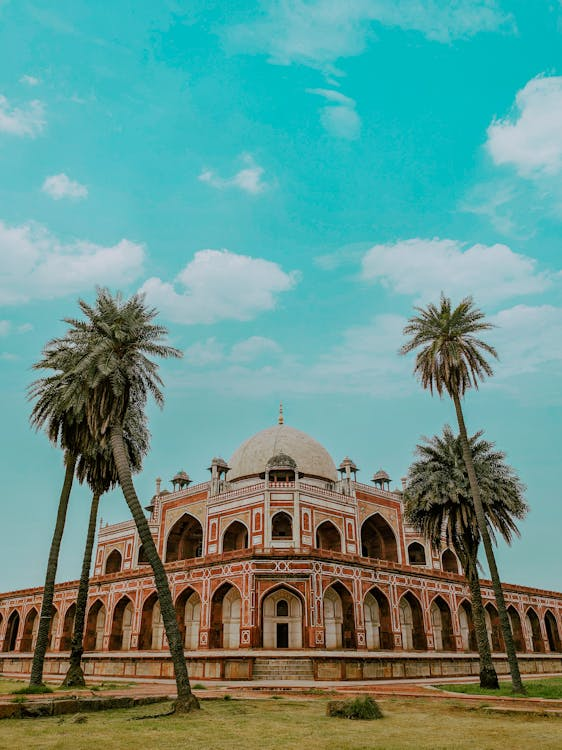
Humayun’s Tomb – A Mughal Masterpiece
Humayun’s Tomb, the first garden tomb in India, is a precursor to the Taj Mahal. Completed in 1570, it features Persian-influenced architecture set amidst carefully landscaped gardens. Housing the graves of various Mughal rulers, its tranquil ambiance and symmetrical beauty make it a must-see for architecture and history enthusiasts.
Safdarjung Tomb – Mughal Serenity
Built in 1754, Safdarjung Tomb is the last monumental garden tomb of the Mughals. Constructed from sandstone and marble, the tomb is celebrated for its elegant architecture and landscaped gardens. Less crowded than other historical sites, it offers a peaceful retreat for visitors seeking quiet reflection.
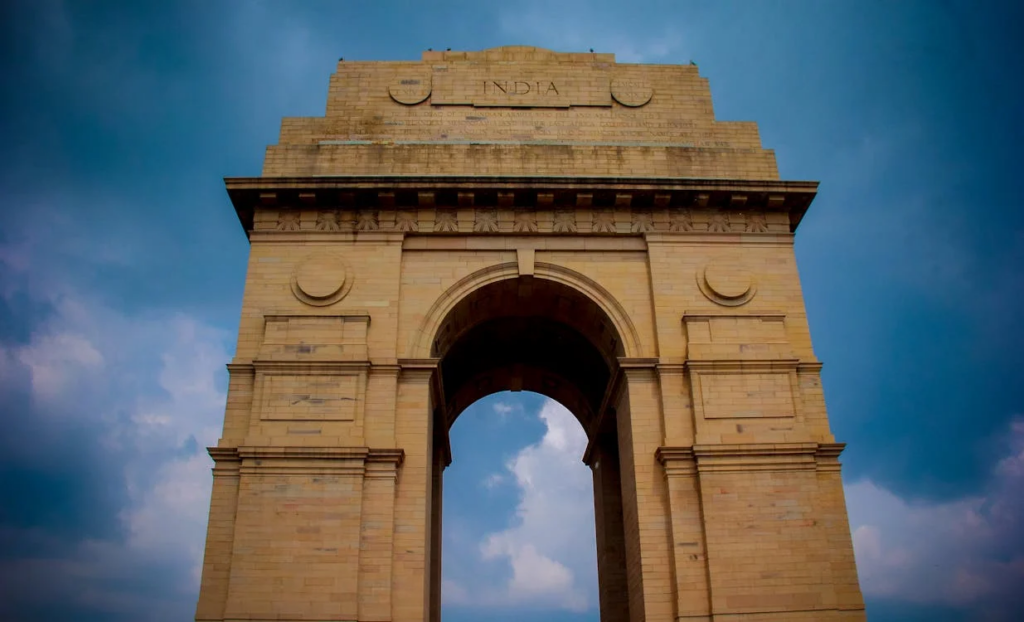
India Gate – The Nation’s Iconic War Memorial
India Gate, designed by Sir Edwin Lutyens, is a 42-meter-high arch honoring Indian soldiers who perished in World War I. The Amar Jawan Jyoti, an eternal flame beneath the arch, commemorates the unknown soldiers. The surrounding lawns are perfect for an evening stroll or a leisurely picnic, making it a favorite gathering spot for both locals and tourists.
Explore Delhi’s History with MONY
Visiting Delhi’s historical monuments is a journey through time, and MONY makes it even more convenient. From purchasing entry tickets to grabbing souvenirs at nearby shops, MONY’s UPI interface ensures seamless, cashless transactions. Just scan, pay, and enjoy your exploration without any hassle.



Leave a Reply