
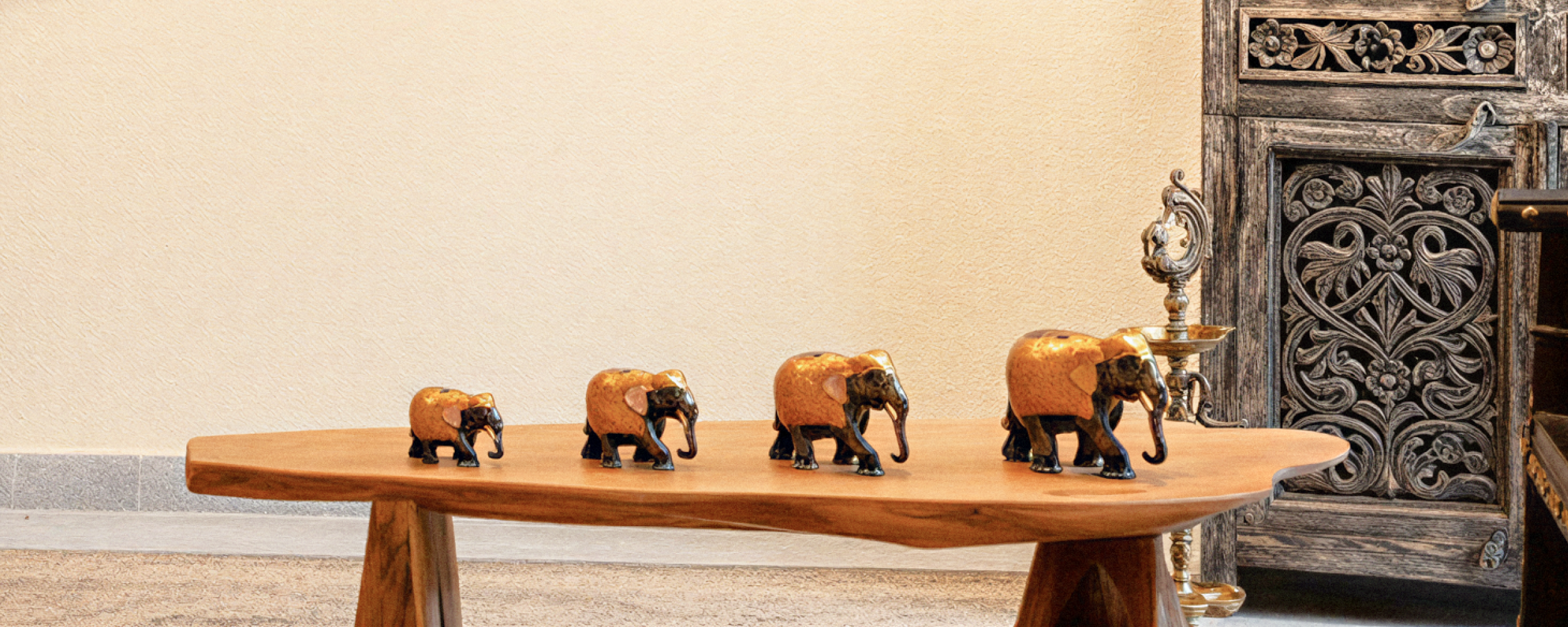
Antique Hunts & Curio Finds: For the Vintage Lover in Jaipur
Table of Contents
Antique shopping in Jaipur rewards visitors who explore back lanes as well as main roads. The city’s trading history spans centuries of royal patronage, textile production, metalworking, and gem cutting. As a result, genuine antiques circulate in the market alongside quality reproductions. Knowing the difference matters considerably. This guide covers the most worthwhile areas with practical information for each.
MI Road — The Central Starting Point
MI Road is the most accessible starting point for antique shopping in Jaipur. Several established stores carry authentic vintage pieces alongside quality handicrafts. Carved wooden doors, vintage locks and keys, brass lamps, and tribal metalwork are the primary categories here. Rajasthan Arts and Crafts House on MI Road offers a curated selection and provides provenance information on request. Always ask about the origin of any piece before buying. The better dealers are forthcoming with this information, and the answer significantly affects the price.
Purohit Ji Ka Katla — Hidden Market near Johari Bazaar
Near Johari Bazaar, Purohit Ji Ka Katla is one of the less-publicised but most rewarding destinations for antique shopping in Jaipur. The lanes carry antique jewellery, silverware, vintage amulets, anklets, miniature frames, and antique spice boxes. These objects reflect the domestic material culture of several centuries of Rajasthani household life. The market rewards slow walking and careful looking. Wear comfortable shoes — the lanes are uneven, and the most interesting shops are not necessarily the most visible ones.
Kishanpole Bazaar — Upcycled Antiques and Salvage
Kishanpole Bazaar takes antique shopping in Jaipur in a more creative direction. Artisans transform salvaged architectural elements into usable objects. Old door knockers become wall art. Window frames become mirrors. Vintage trunks receive new hardware and lining. The category to look for specifically is “Jaipuri patina” — aged Jaipur wood with a characteristic faded colour that develops only through decades of exposure to the desert climate. This material is entirely specific to the region. Recycled furniture and textile stamps for block printing also appear regularly throughout the market.
Amer Road — Royal Portraits and Period Finds
The shops lining Amer Road on the way to Amber Fort specialise in a distinct category — the regal and the aristocratic. Royal family portraits, faded maps of the princely states, vintage Bollywood posters, and British-era furniture appear in shops that serve serious collectors. Even visitors who are not buying find the visual experience worthwhile. Prices here tend to be higher than in the bazaars. Consequently, the quality and verifiability are correspondingly stronger. Bargaining is expected, but the margins are narrower than at street-level stalls.
Heritage Hotel Boutiques — Curated and Contextualised
Several of Jaipur’s heritage properties carry boutiques stocking handpicked antique and semi-antique pieces with clear provenance information. The Anokhi Museum Shop near Amber carries items related to Rajasthan’s textile traditions. Narain Niwas Palace has its own boutique with restored heirlooms and decorative collectibles. Furthermore, these settings allow you to browse over a cup of chai in a traditional haveli environment. This is considerably more pleasant than the pressure of a street market negotiation.
Paying for Antiques in Jaipur
Antique shopping in Jaipur involves a range of payment situations. Established stores and heritage hotel boutiques accept cards reliably. Market stalls and smaller dealers, however, work primarily in cash or UPI. For NRI visitors and international tourists, Mony makes UPI payments at any stall seamless. Mony is a travel finance app that lets NRIs and tourists pay like locals using UPI. As a result, there are no foreign card fees and no declined payments at market stalls. Your hands stay free for handling fragile and intricate pieces rather than managing cash.
Practical Tips for Antique Shopping in Jaipur
Always ask for a certificate of authenticity on any piece claimed to be over 100 years old. Indian law restricts the export of antiques older than a century. Reputable dealers know this and provide documentation for qualifying items. Additionally, carry a small torch when browsing in darker lanes — many of the most interesting pieces sit at the back of poorly lit shops. The best time for antique shopping in Jaipur is weekday mornings between 10:00 AM and 1:00 PM. Arriving early avoids both the afternoon heat and the tourist crowds that peak simultaneously later in the day.




Leave a Reply