
From Kanchipuram to Kollywood Glam: What to Buy in Chennai
Table of Contents
Chennai rewards shoppers who know where to look. Centuries of craft tradition sit alongside Kollywood-influenced fashion in the same city. Silk weaving, temple jewellery, bronze casting, and Tanjore painting occupy one end of the spectrum. Oversized sunglasses and glittering clutches occupy the other. Here is what to buy in Chennai and where to find it.
Kanchipuram Silk Sarees — The Crown of Chennai Shopping
Kanchipuram silk sarees use pure mulberry silk with real zari borders. The fabric is heavy and the drape is distinctive. The colour combinations — often drawn from temple architecture — are unlike anything produced elsewhere. The most reliable stores are Nalli, Kumaran Silks, and Pothys, all in T. Nagar. Prices range from Rs 5,000 for simpler weaves to Rs 1,00,000 and above for bridal sarees. For weddings and significant occasions, these sarees function as both garment and heirloom. The nearest metro station is T. Nagar Metro Station on the Green Line.
Temple Jewellery — South Indian Craft at Its Most Elaborate
Temple jewellery draws its forms from the ornaments worn by classical Bharatanatyam dancers and decorated temple idols. Intricate gold work set with rubies, emeralds, and pearls defines the tradition. GRT Jewellers and VBJ are the most established names for this category in Chennai. Prices range from Rs 2,000 for smaller pieces to Rs 50,000 and above for full sets. Additionally, shops near Kapaleeshwarar Temple in Mylapore sell more affordable imitation versions. These suit those who want the aesthetic without the precious metal price.
Kollywood-Inspired Accessories — Bold Statement Pieces
Chennai’s film industry produces a visual culture of confident excess. Oversized sunglasses, glittering clutches, statement earrings, and embellished footwear all translate into the city’s fashion markets. Ranganathan Street and Pondy Bazaar carry the widest selection. Most items cost between Rs 500 and Rs 5,000. Both streets are dense and fast-paced. Consequently, a weekday morning visit gives you more room to browse without weekend crowds.
Handcrafted Brassware and Tanjore Art
Brass lamps, idols, and ritual objects have been made in Tamil Nadu for centuries. A well-made brass Nataraja or oil lamp shows considerable craftsmanship. It functions equally well as decoration and cultural reference. Tanjore paintings use gold foil, precious stones, and rich pigments on a gesso-treated board. They are entirely distinctive and travel well. Boutiques near Mylapore and the Government Museum area carry authentic pieces. Brassware prices run from Rs 1,000 to Rs 10,000. Tanjore paintings range from Rs 3,000 to Rs 20,000 depending on size and complexity.
Filter Coffee Powder and South Indian Spices
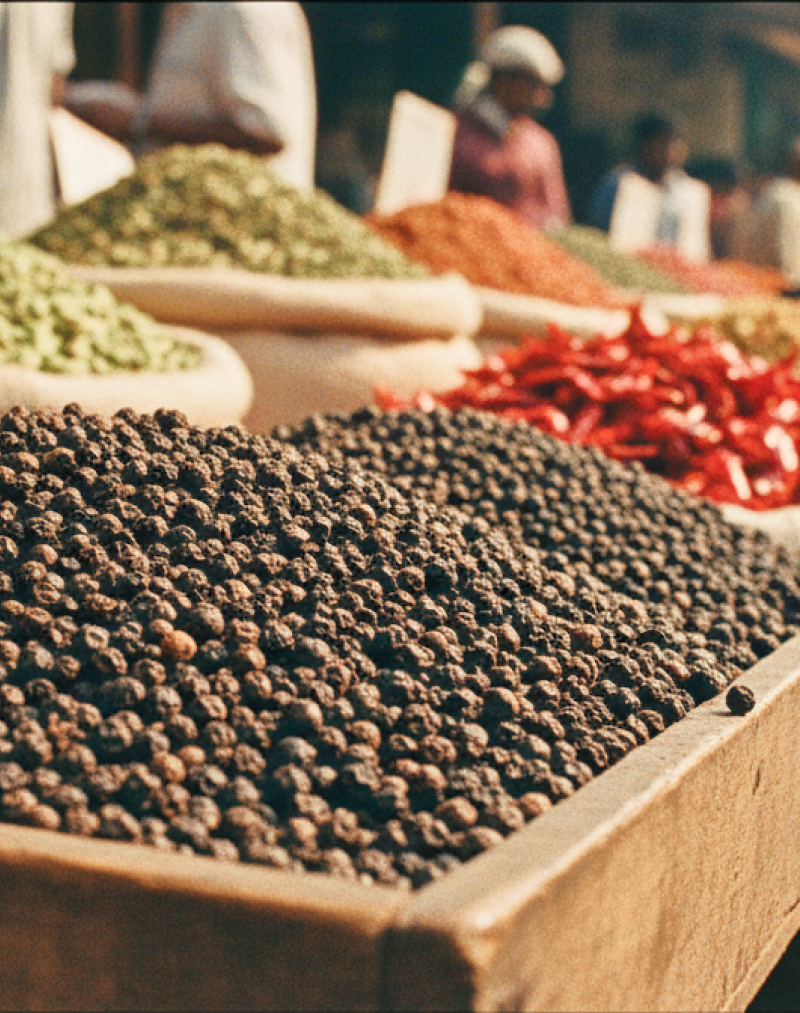
Filter coffee powder is among the most practical things to buy in Chennai. It is a blend of dark-roasted coffee and chicory, ground specifically for a steel filter. It travels well in sealed packaging and costs Rs 200 to Rs 500 per kilogram from local roasters like Narasu’s. South Indian spice blends are equally portable. Sambar powder, rasam powder, and curry leaf-based mixes are all widely available. Most large provisions stores and Koyambedu Market carry a full selection. Prices are, moreover, well below what the same items cost outside Tamil Nadu.
Paying Your Way Through Chennai’s Markets
Larger silk stores and jewellery shops in T. Nagar accept cards reliably. Street markets like Ranganathan Street and Pondy Bazaar, however, operate primarily in cash or UPI. For NRI visitors and international tourists, Mony makes every transaction seamless. Mony is a travel finance app that lets NRIs and tourists pay like locals using UPI. As a result, there are no foreign card fees, no currency exchange issues, and no declined payments at market stalls that do not accept international cards.
Practical Shopping Tips for Chennai
T. Nagar is the most efficient starting point for silk, jewellery, and fashion shopping. All major stores sit within walking distance of each other. Weekday mornings are consistently less crowded than weekend afternoons, which makes browsing and bargaining easier. At street market stalls, starting at 60 to 70 percent of the asking price is a reasonable opening position. Before buying silk, always verify authenticity by requesting a burn test on a loose thread. Pure silk produces a smell similar to burnt hair and leaves a crushable ash. For Tanjore paintings and brassware, buying from established Mylapore boutiques — rather than tourist-facing shops near major attractions — typically means better quality at fairer prices.





Leave a Reply