

Table of Contents
India is one of the most rewarding travel destinations in the world — and one of the most confusing to budget for. The range is enormous. You can sleep in a heritage haveli for ₹15,000 a night, or find a perfectly decent guesthouse for ₹800. You can eat a proper thali for ₹120 or have a tasting menu at a rooftop restaurant for ₹4,500. Booking a Taj Mahal tour through an agency costs three times what you’d pay walking up on your own.
This guide cuts through the noise. Below you’ll find realistic, up-to-date cost breakdowns for every major travel expense in India in 2026 — accommodation, food, transport, attractions, and more — organised by travel style.
Quick note on currency: All prices are in Indian Rupees (₹ / INR). As of early 2026, roughly ₹84 = $1 USD / ₹107 = €1 EUR / ₹107 = £1 GBP.
The Three Budget Tiers
Most India travel guides divide budgets into three tiers. Here’s what those tiers look like in practice in 2026 — as a daily spend per person:
- Budget: ₹2,000–3,500 per day
- Mid-Range: ₹5,000–9,000 per day
- Luxury: ₹15,000+ per day
These numbers exclude flights to India, visas, and travel insurance — covered separately below. Everything else — where you sleep, how you move, what you eat — falls into these tiers.
Accommodation Costs
Accommodation is usually the biggest variable in any India travel budget. The difference between a budget bed and a luxury room can be a factor of 30x — and both are genuinely available in most major cities.
| Type | Budget (₹) | Mid-Range (₹) | Luxury (₹) |
|---|---|---|---|
| Hostel dorm | ₹400–800 | — | — |
| Private guesthouse / homestay | ₹800–1,800 | ₹2,000–4,500 | — |
| 3-star hotel | — | ₹3,500–7,000 | — |
| Boutique / heritage property | — | ₹6,000–12,000 | ₹10,000–20,000 |
| 5-star hotel / Taj / Oberoi | — | — | ₹18,000–60,000+ |
Note on popular tourist destinations: Places like Udaipur, Jodhpur, and Goa command a premium even at the budget level. Expect to add 20–40% for peak-season bookings.
Food & Drink Costs
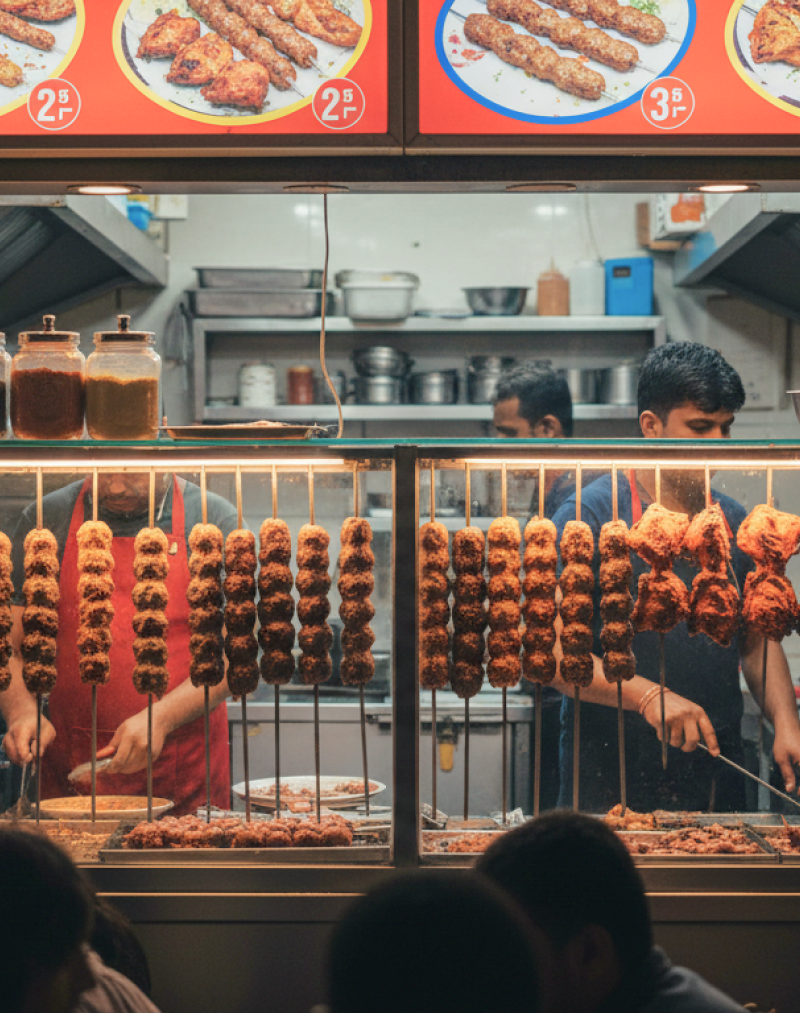
India is extraordinarily cheap to eat well in — if you’re comfortable eating where locals eat. A full thali at a no-frills dhaba can cost ₹80–200. The cost jumps significantly only when eating at restaurants aimed at tourists or expats.
| Meal / Drink | Typical Cost (₹) |
|---|---|
| Street food snack (samosa, chaat, vada pav) | ₹20–60 |
| Chai from a street stall | ₹10–20 |
| Local restaurant thali | ₹80–200 |
| Casual restaurant (tourist area) | ₹300–700 |
| Good mid-range restaurant | ₹600–1,500 |
| Upscale restaurant (main course) | ₹1,200–3,000 |
| Beer (restaurant) | ₹200–450 |
| Coffee (café) | ₹120–280 |
| Water bottle (1L) | ₹20–30 |
Daily food budgets, realistically
- Budget traveller: ₹400–700/day — mostly dhabas and street food, occasional café coffee
- Mid-range traveller: ₹1,000–2,500/day — a mix of local restaurants and occasional nicer dinners
- Comfort/luxury traveller: ₹3,000–6,000+/day — restaurant meals, hotel breakfasts, rooftop dining
Transport Costs
Getting around India is cheap. The variation comes less from the type of transport and more from the distances involved — India is enormous, and covering the Golden Triangle alone means moving between cities hundreds of kilometres apart.
Within cities
| Transport | Typical Cost (₹) |
|---|---|
| Auto-rickshaw (short ride, metered) | ₹40–120 |
| Uber/Ola (city ride) | ₹100–350 |
| Metro (Delhi, Mumbai, Bangalore) | ₹20–60 |
| Taxi from airport (major city) | ₹350–900 |
Between cities
| Route / Mode | Typical Cost (₹) |
|---|---|
| Domestic flight (budget carrier, e.g. Delhi–Mumbai) | ₹2,500–7,000 |
| Train (sleeper class, long route) | ₹400–1,200 |
| Train (AC 2-tier, long route) | ₹1,500–3,500 |
| Overnight AC bus | ₹800–2,000 |
| Private car hire (day) | ₹2,500–5,000 |
Train travel tip: Indian Railways is one of the best ways to see the country. Book at least 6–8 weeks in advance on IRCTC for popular routes. Tourist quota seats are available for foreign nationals even when regular seats are sold out.
Attraction & Activity Costs
India has a dual-pricing system at most government monuments — Indian citizens pay one rate, foreigners pay a higher “foreign national” rate. It’s official government policy and still reasonable by global standards.
| Attraction | Foreign National Entry (₹) |
|---|---|
| Taj Mahal, Agra | ₹1,300 |
| Agra Fort | ₹650 |
| Red Fort, Delhi | ₹600 |
| Amber Fort, Jaipur | ₹700 |
| Hampi ruins (entry varies per site) | ₹300–600 |
| Tiger safari (Ranthambore, per vehicle) | ₹4,000–9,000 |
| Cooking class | ₹1,500–4,000 |
| Yoga class (drop-in) | ₹500–1,200 |
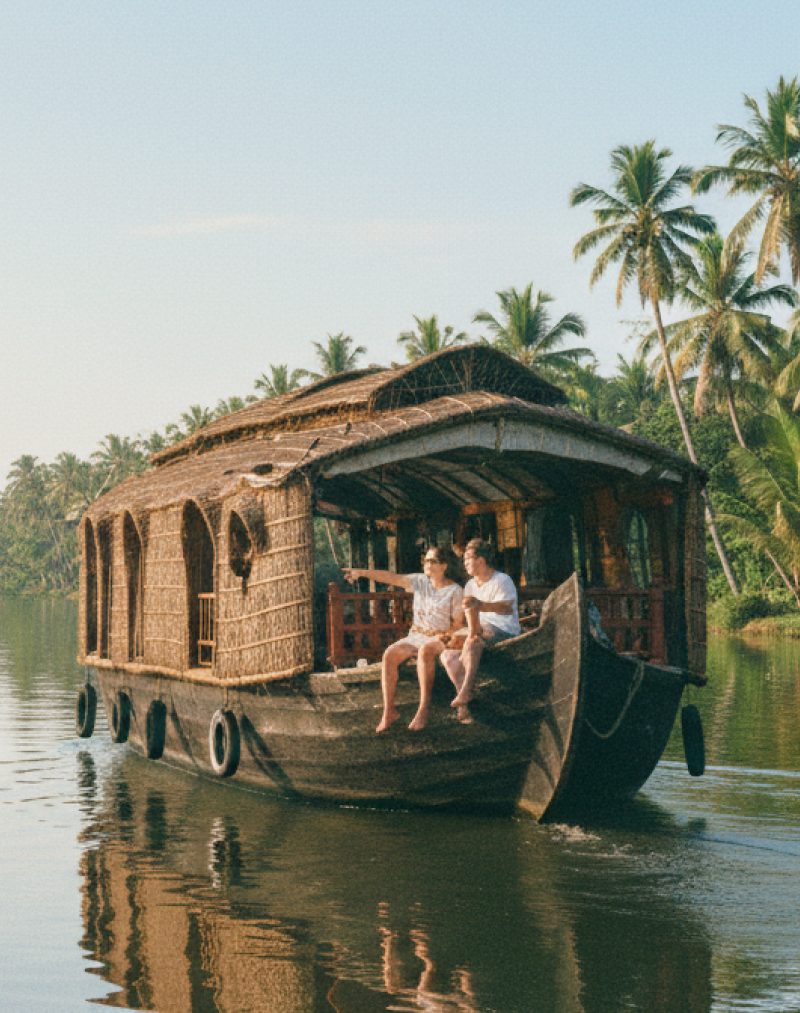
| Boat ride (Kerala backwaters, houseboat day) | ₹6,000–15,000 |
Fixed Costs to Add In
These happen before or outside your daily budget — factor them in separately.
- India e-Visa: $25–80 USD depending on nationality and duration
- Travel insurance: $50–180 USD for 2–4 weeks (always get it)
- International flights: $400–1,200 USD return from most Western countries
- SIM card (tourist): ₹300–600 for a prepaid card with data
- UPI wallet setup (Mony): Free to set up; load it with whatever you plan to spend
On payment: India has largely moved to UPI for everyday payments. A UPI wallet like Mony lets you pay at any QR code without an Indian bank account — auto-rickshaws, street vendors, temples, small shops. Set it up before you travel. See: How to Pay in India as a Tourist
5 Ways to Stretch Your India Budget Further
Book trains early
Indian Railways releases tickets 120 days in advance. Popular routes — especially sleeper and AC class — sell out fast. Book on IRCTC the moment tickets open.
Use UPI for everything
Every time you pay with cash or a card instead of UPI, you risk overpaying. Rickshaw drivers, street vendors, and local restaurants all have QR codes — and UPI prices are firm where cash invites haggling.
Eat the thali
A proper thali — rice, dal, sabzi, roti, pickle — is one of the best meals India offers, and costs ₹80–200 in a local restaurant. Skipping it for tourist-menu pasta is both expensive and a mistake.
Go shoulder season
Hotel prices in India peak between October and March. Visiting April–June or during the monsoon (July–September) can halve your accommodation costs — though the north gets very hot in summer.
Buy attraction tickets online
The Archaeological Survey of India (ASI) sells tickets for Taj Mahal, Agra Fort, and other monuments online. Skip the queue and avoid touts by booking before you arrive.
Use Wise or Revolut for ATMs
A Wise or Revolut card gives you the mid-market exchange rate with minimal fees. Avoid airport currency counters — their rates are consistently 4–6% worse than the real rate.
What Your India Budget Doesn’t Include
One thing that throws off first-time visitors is the gap between their pre-trip estimate and actual spend. Here are the common surprises:
- Tipping culture: Expected in sit-down restaurants (10% is standard), and appreciated by guides, drivers, and hotel staff. Budget an extra ₹200–500/day if you’re using guides regularly.
- Shopping: India has extraordinary craft markets, textiles, spices, and jewellery. It’s easy to spend ₹5,000–20,000 in a single afternoon in Jaipur or Kochi. Budget separately for shopping.
- Ayurveda treatments / massages: Kerala offers genuine Ayurvedic treatments from ₹2,000–3,500 for a basic session, up to ₹15,000+ for full-day programmes.
- Tour guides and packages: Private guided tours add ₹2,000–6,000/day but genuinely transform what you get out of complex heritage sites.
- Spontaneous upgrades: India rewards flexibility. Leave 15–20% of your budget unallocated.
Sample Budgets for Popular India Trips
Golden Triangle (Delhi → Agra → Jaipur), 10 days, 1 person
| Category | Budget (₹) | Mid-Range (₹) |
|---|---|---|
| Accommodation (10 nights) | ₹12,000 | ₹45,000 |
| Food & drink | ₹5,000 | ₹18,000 |
| Transport (trains + tuk-tuks) | ₹4,000 | ₹12,000 |
| Attractions (Taj, forts, etc.) | ₹4,000 | ₹7,000 |
| Miscellaneous / buffer | ₹2,500 | ₹8,000 |
| Total (in-India spend) | ₹27,500 | ₹90,000 |
Goa Beach Holiday, 7 days, 2 people
| Category | Budget (₹) | Mid-Range (₹) |
|---|---|---|
| Accommodation (7 nights, shared) | ₹14,000 | ₹42,000 |
| Food & drink (2 people) | ₹8,000 | ₹28,000 |
| Scooter rental + local transport | ₹3,500 | ₹6,000 |
| Activities (boat trips, markets) | ₹3,000 | ₹8,000 |
| Miscellaneous / buffer | ₹2,500 | ₹8,000 |
| Total (in-India, 2 people) | ₹31,000 | ₹92,000 |
The Bottom Line
India rewards travellers who plan their money as carefully as they plan their itinerary. The costs are genuinely low by global standards — but India also has a remarkable ability to absorb budget if you’re not paying attention.
Set a daily target. Understand what’s expensive before you arrive (accommodation in tourist-heavy cities, safaris, houseboat stays). Know that food, local transport, and everyday spending are extraordinarily affordable.
And sort out your payment method before you fly. India is a UPI country. The easiest way to travel is to have a UPI wallet like Mony ready from day one — so you can scan and pay like a local from the moment you land.



Leave a Reply