
Kashmir Travel Guide: Itineraries, Best Time to Visit & Tips
Table of Contents
This Kashmir travel guide covers everything needed to plan a first visit to one of India’s most visually striking regions. Srinagar’s houseboats, Gulmarg’s gondola rides, and Pahalgam’s pine forests together form the core of any Kashmir travel guide itinerary. The region rewards unhurried visitors. This guide covers each stop with practical details on cost, timing, and transport.
When to Visit Kashmir
Kashmir has four genuinely distinct seasons. April to June brings tulip blooms and mild temperatures — the best window for sightseeing without snow or heat. July to September is monsoon season in the plains, but the valley stays pleasantly cool with fewer crowds. December to February brings heavy snowfall, particularly in Gulmarg, drawing skiers and snow-seekers. The season you choose should consequently match your priority. Spring favours gardens and lakes, while winter favours snow sports.
Getting to Kashmir
Srinagar International Airport handles direct flights from Delhi, Mumbai, Bangalore, and several other Indian cities. Flight times from Delhi run approximately 1.5 hours. Fares range from Rs 4,000 to Rs 12,000 depending on season and booking lead time. The airport sits roughly 15 kilometres from central Srinagar, and a prepaid taxi from the airport counter costs Rs 600 to Rs 900. No rail line connects directly into the Kashmir Valley. Flying is therefore the most practical option for most visitors.
Day 1 to 3: Srinagar
Dal Lake and Houseboats
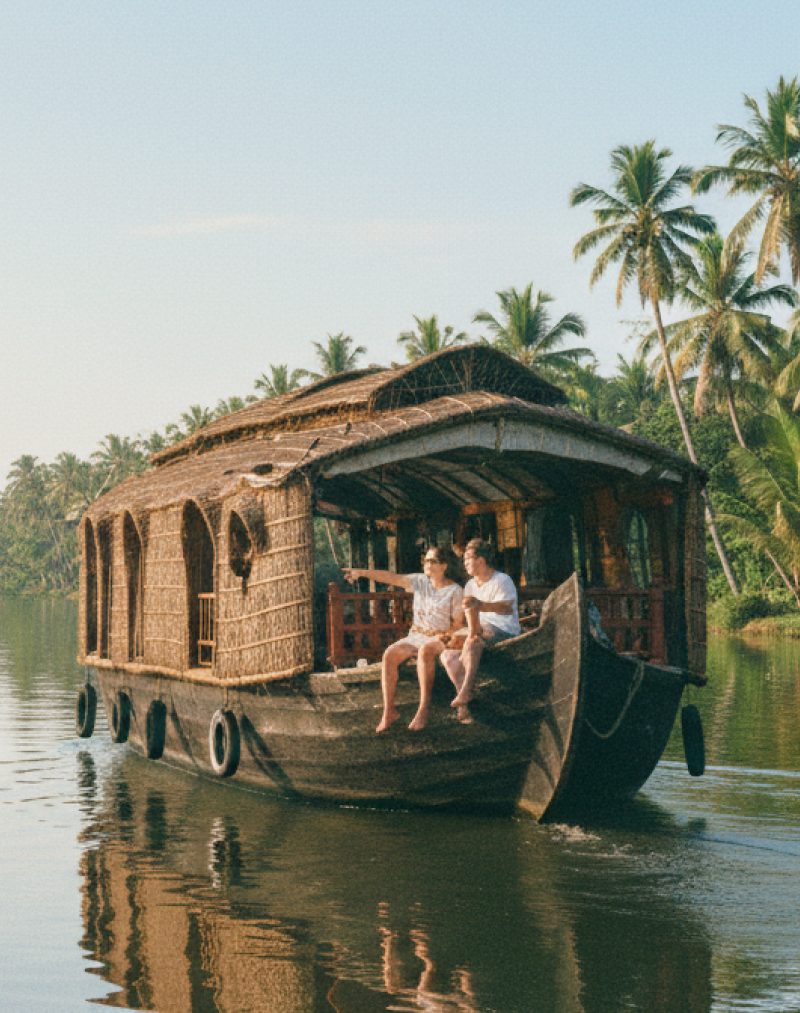
Dal Lake anchors any Kashmir travel guide itinerary. Staying on a traditional wooden houseboat is a specifically Kashmiri experience — intricately carved interiors, attentive service, and a kitchen that typically includes meals. Rates run Rs 2,500 to Rs 8,000 per night including breakfast and dinner. A shikara ride across the lake costs Rs 600 to Rs 1,200 for an hour. The early morning ride past the floating vegetable market is particularly worth the early start — vendors push produce across still water before sunrise, and the light at that hour is exceptional.
Mughal Gardens
Srinagar’s three major Mughal-era gardens sit along the lake’s edge and combine well in a single afternoon. Shalimar Bagh, Nishat Bagh, and Chashme Shahi each carry terraced lawns, fountains, and chinar trees. In autumn, the trees turn brilliant red and gold. Entry costs around Rs 24 for Indian nationals and Rs 50 to Rs 100 for foreign visitors. Gardens open from 9:00 AM to 7:00 PM in summer. A half-day taxi covering all three costs approximately Rs 1,200 to Rs 1,800 and is more practical than navigating public transport between the sites.
Old City and Shankaracharya Temple
The old city around Jama Masjid rewards a walking visit. Narrow lanes, wood-carved shopfronts, and centuries-old architecture fill the quarter. Most tourist itineraries skip it entirely, which makes it worth prioritising in this Kashmir travel guide. Shankaracharya Temple perches on a hilltop above the city. It offers the best panoramic view of Srinagar and the surrounding mountains. A return taxi costs Rs 400 to Rs 600. Entry is free, though security staff require visitors to leave bags and phones at a checkpoint partway up.
Day 4 to 5: Gulmarg
Gulmarg sits roughly 50 kilometres from Srinagar — about 1.5 to 2 hours through pine forests and small villages. The town is best known for the Gulmarg Gondola, one of the highest cable car systems in the world. Phase 1 tickets to Kongdoori cost around Rs 900 to Rs 1,200. Phase 2 tickets up to Apharwat Peak add another Rs 1,300 to Rs 1,800. Book in advance through the official gondola website during peak season. Walk-up tickets often sell out by mid-morning, so advance booking is essential.
In winter, Gulmarg transforms into India’s premier ski destination. Equipment rental and lessons cost Rs 1,500 to Rs 2,500 per day. In summer, the slopes serve as a base for short hikes instead. The meadow ringed by deodar forest additionally rewards a slow walk without any agenda. A day trip from Srinagar covering the gondola is achievable. Staying one night, however, allows for an early morning ride before crowds arrive — notably the most atmospheric time to experience the ascent.
Day 6 to 7: Pahalgam
Pahalgam lies about 95 kilometres from Srinagar — roughly 2.5 hours by road. The Lidder River runs through pine-covered hills, and the town serves as the gateway to several valleys worth a half-day excursion each. Betaab Valley and Aru Valley are both reachable by private or shared taxi. A return trip to either costs Rs 1,500 to Rs 2,500 depending on group size. Entry to Betaab Valley costs around Rs 20 to Rs 50. Visiting both valleys on consecutive mornings, moreover, produces a more relaxed experience than rushing both into a single day.
Pony rides into the valleys cost Rs 500 to Rs 1,500 depending on distance. Agree on prices clearly before setting off. Pahalgam additionally serves as the starting point for the Amarnath Yatra pilgrimage route, though that trek requires separate registration and sits outside a standard sightseeing itinerary.
What to Eat
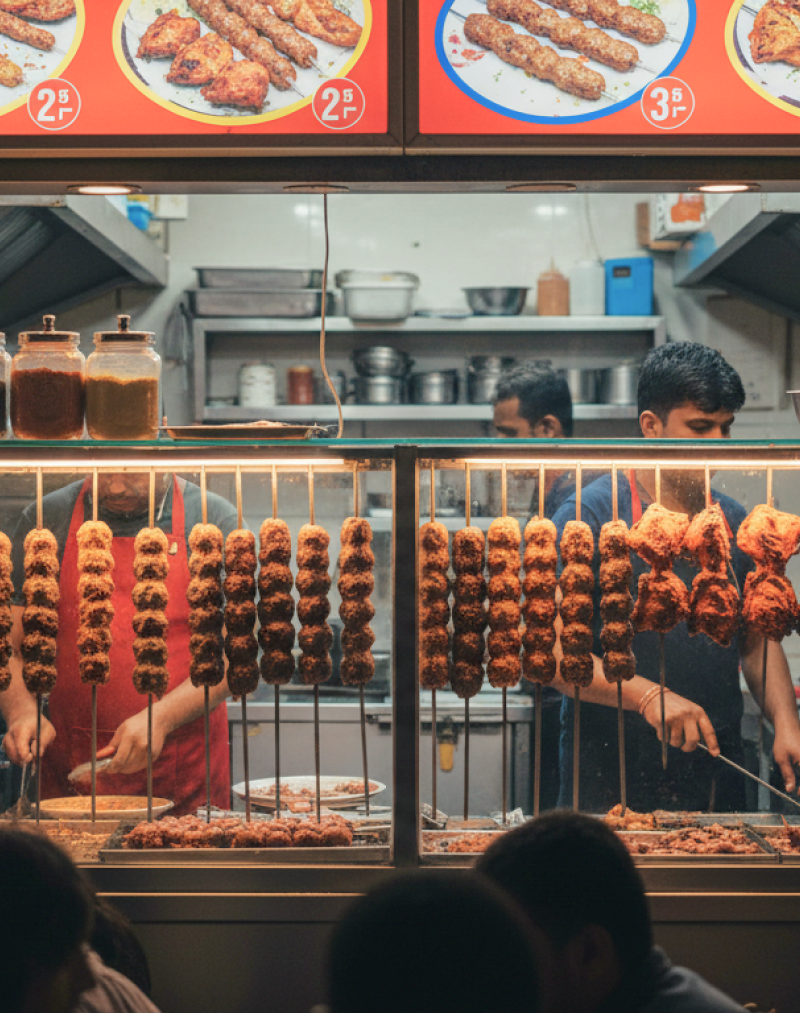
Kashmiri cuisine builds around slow-cooked meats, dried fruits, and saffron. Wazwan — the traditional multi-course feast — is the most elaborate way to experience it. Houseboat hosts or dedicated restaurants typically arrange it for Rs 800 to Rs 1,500 per person. Rogan josh, yakhni, and gushtaba are the standout individual dishes. Kashmiri kahwa, a saffron and cardamom tea, costs Rs 50 to Rs 150 per cup. Try it at a local tea stall rather than only at hotels — the character is noticeably different and considerably cheaper.
Practical Tips
Carry layers regardless of season. Temperatures shift quickly between Srinagar, Gulmarg, and Pahalgam at their different elevations. Download offline maps before travel, as network connectivity drops in Gulmarg and parts of Pahalgam. Most hotels, houseboats, and established restaurants in Srinagar accept UPI payments. Smaller stalls in Gulmarg and Pahalgam, however, still often prefer cash. Carry some rupees specifically for these stops.
For NRIs and foreign tourists, paying across a multi-stop itinerary like this involves shikara rides, gondola tickets, valley entry fees, and houseboat bills — each a separate transaction. Mony lets travellers pay like locals using UPI without forex markup. This removes the conversion fees that international cards typically add at every stop in this Kashmir travel guide.
A Realistic 7-Day Itinerary
Days 1 to 3 in Srinagar cover the lake, gardens, and old city at an unhurried pace. Days 4 to 5 in Gulmarg allow for the gondola and an overnight stay. Days 6 to 7 in Pahalgam cover the valleys and the river town. This pacing avoids the common mistake of rushing all three towns into five days. A taxi covering the full Srinagar-Gulmarg-Pahalgam-Srinagar loop with waiting time typically costs Rs 8,000 to Rs 14,000. It is consequently the most practical transport option given the absence of rail connections across this route.



Leave a Reply