
Why Rishikesh is Called the Yoga Capital of the World?
Table of Contents
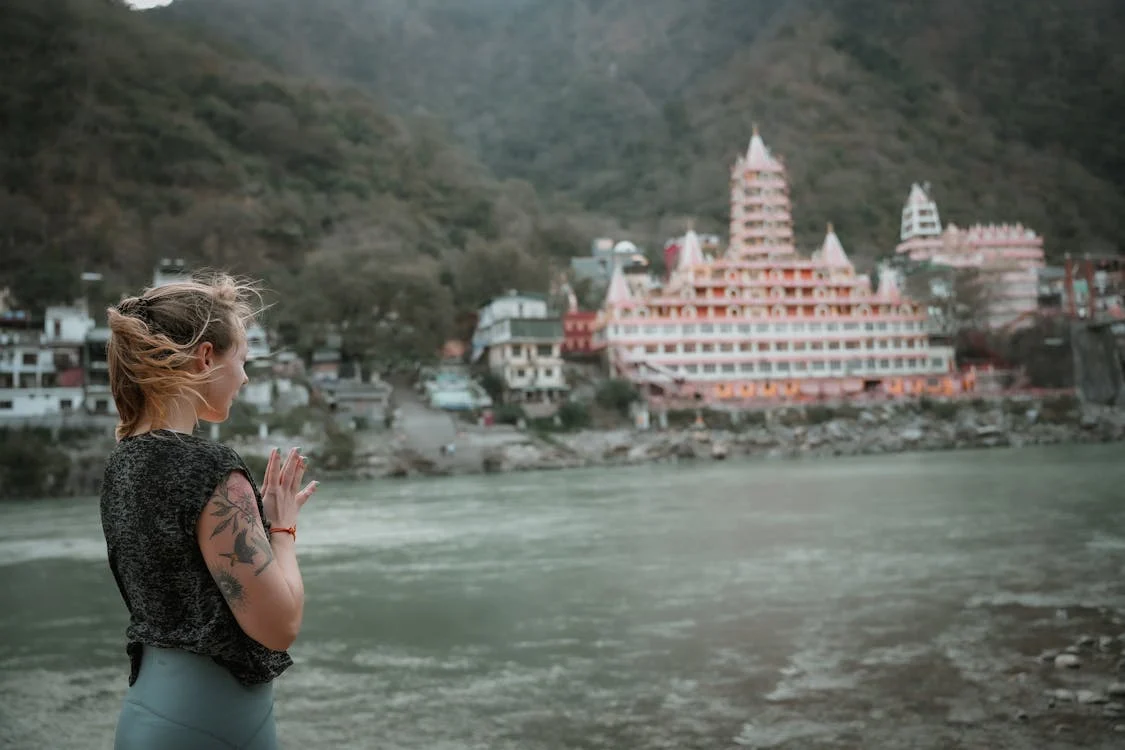
Rishikesh carries its title as the Yoga Capital of the World with genuine substance behind it. The town sits where the Ganges descends from the Himalayas into the plains. This geography has drawn spiritual seekers, yoga teachers, and meditators for centuries. Today, it attracts practitioners from every continent and maintains a daily rhythm shaped almost entirely by practice, ritual, and the river. Here is why that reputation is fully earned.
A Long History of Esteemed Yoga Gurus
Rishikesh has served as a base for some of the most influential yoga teachers in modern Indian history. Swami Sivananda founded the Divine Life Society here in 1936. His work established a tradition of Vedantic yoga education that continues today at Sivananda Ashram. The town gained further international attention when the Beatles visited Maharishi Mahesh Yogi at what is now known as the Beatles Ashram in 1968. Consequently, the lineage of teachers associated with Rishikesh gives any yoga training here a depth of context that newer wellness destinations cannot replicate.
A Profound Spiritual Atmosphere
The spiritual energy of Rishikesh comes from daily practices that have continued without interruption for centuries. Triveni Ghat hosts a Ganga Aarti every evening at sunset. Priests perform fire rituals to the river as crowds of devotees and visitors gather on the steps. Parmarth Niketan Ashram also holds its own riverside aarti daily. The cumulative effect of these rituals — bells, chanting, and the presence of the river — creates an environment that supports contemplative practice in a way that is difficult to find elsewhere.
The Highest Concentration of Ashrams in India
More ashrams and yoga schools operate in Rishikesh than anywhere else in the country. Rishikesh Yogpeeth, Vinyasa Yoga Ashram, and Phool Chatti Ashram are among the most internationally recognised. Together, they offer everything from week-long retreats to Yoga Alliance-certified 200-hour and 300-hour teacher training programmes. The range of styles — Hatha, Ashtanga, Vinyasa, Iyengar, and Kundalini — means practitioners at every level find appropriate instruction here.
The Himalayan Natural Environment
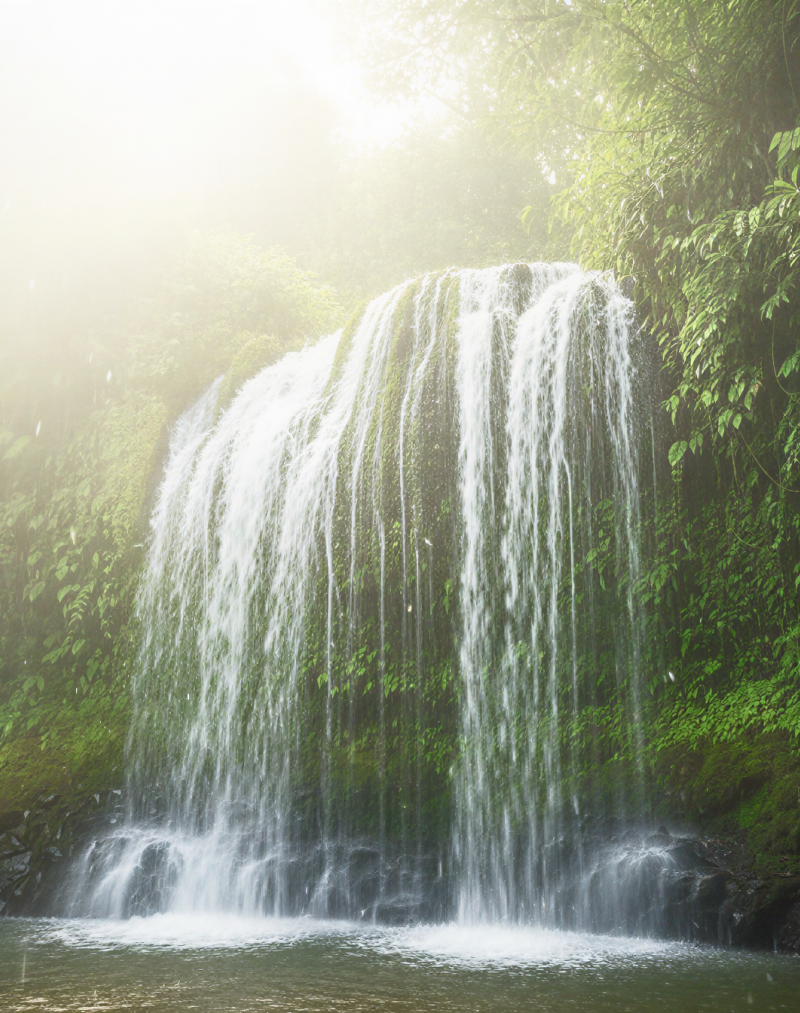
Rishikesh sits at the edge of the Himalayan foothills. The natural environment actively supports yoga and meditation. Air quality is clean. The sound of the Ganges moving through the valley provides a constant, calming backdrop. Views of forested ridges from practice spaces add further depth to the experience. Nearby trails extend this connection to nature. The trek to Kunjapuri Temple for sunrise and the walk to Neer Garh Waterfall are both worth combining with a yoga stay.
A Culture of Simplicity and Focus
Rishikesh maintains a character that supports practice by limiting distractions. The town is vegetarian — no meat is available anywhere within the municipal limits. Alcohol is also absent. The pace is slower than Indian cities of comparable size. This emphasis on simplicity creates an environment where the internal work of yoga and meditation is easier to sustain. Visitors on multi-week retreats consistently report that this cultural context makes a meaningful difference to their practice.
A Global Community in One Place
During the October to April peak season, practitioners from Europe, the Americas, East Asia, Australia, and across India share practice spaces along the Ganges. This cross-cultural dimension adds a layer of shared human experience that purely local programmes cannot provide. The Ram Jhula and Lakshman Jhula areas function as the natural meeting points for this international community. Consequently, Rishikesh feels less like a local pilgrimage site and more like a global convergence point for people pursuing the same goal.
Practical Tips for Visiting Rishikesh
The best time to visit is October through April. Most ashrams fill residential programmes quickly between November and February. Book in advance. For NRI visitors and international tourists managing programme fees and daily expenses, Mony keeps every payment seamless. Mony is a travel finance app that lets NRIs and tourists pay like locals using UPI. As a result, there are no foreign card fees and no currency exchange complications at ashram counters, riverside dhabas, or local transport operators.


Leave a Reply