

Cashless Payment Options in India: A Quirky Guide for Tourists
Table of Contents
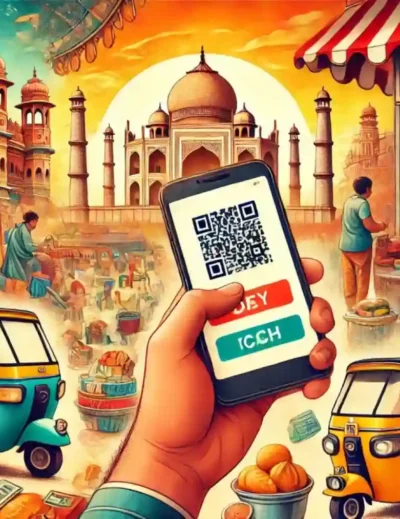
India has moved faster toward a cashless economy than almost any other country of comparable size. For international visitors, cashless payments in India for tourists are now not just possible but often the most practical option — covering everything from street food stalls and auto-rickshaws to monument entry counters and luxury hotel restaurants. This guide explains where digital payments work, what systems operate in India, and how to access them as a visitor.
Where Cashless Payments Work in India
The reach of cashless payment infrastructure in India now extends well beyond cities. Approximately 99 percent of merchants across the country accept some form of digital payment. The following categories all function reliably with the right payment tool.
Street Food and Local Markets
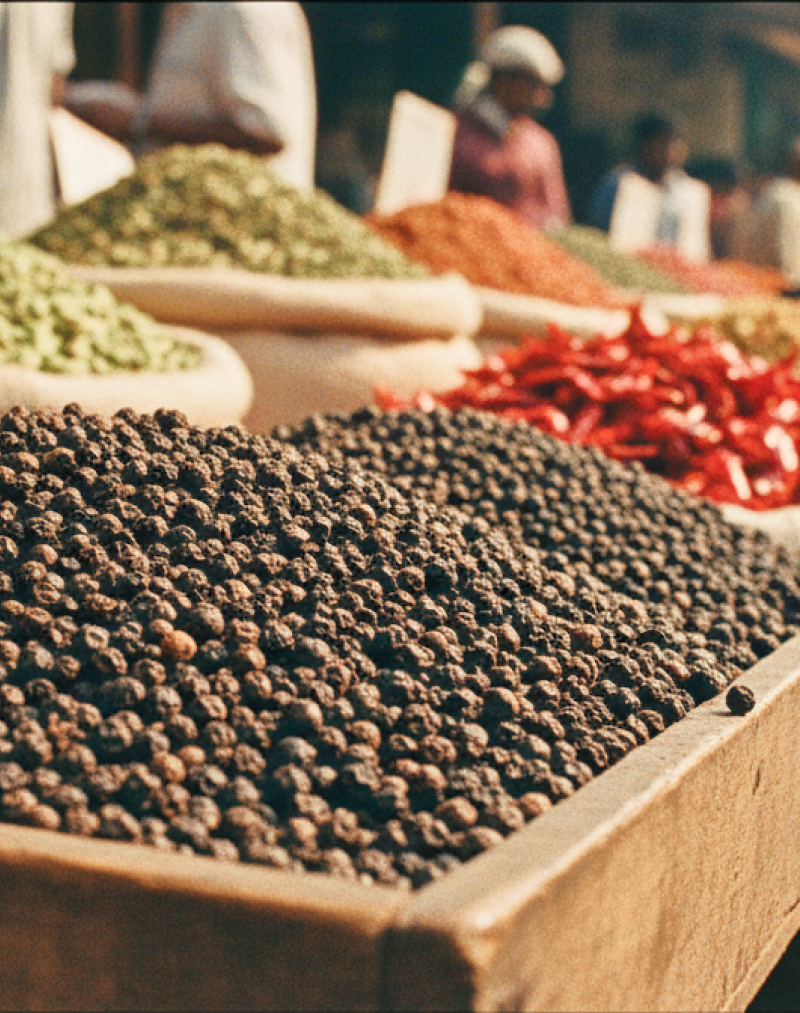
Most roadside vendors, market stalls, and food cart operators across India display a UPI QR code. Paying for chaat at Chandni Chowk, buying bangles at Laad Bazaar in Hyderabad, or picking up a block-printed dupatta at Bapu Bazaar in Jaipur — all of these work via UPI scan and pay. Consequently, carrying large amounts of cash for market shopping is no longer necessary.
Monument Entry Tickets
The Archaeological Survey of India and state tourism departments accept digital payments at the entry counters of major monuments including Red Fort, Amber Fort, and Ajanta Caves. UPI QR codes appear at most ticket windows. Online booking through the ASI portal also accepts standard digital payment methods.
Transport — Taxis, Auto-Rickshaws, and Buses
App-based cabs like Ola and Uber process payments digitally within the app. Moreover, a growing number of auto-rickshaw drivers across Indian cities now display UPI QR codes. Metro systems in Delhi, Mumbai, Bengaluru, and other cities accept cards and mobile wallets at ticket machines. For bus travel, major intercity bus terminals increasingly offer online booking with digital payment options.
Restaurants — Street Level to Fine Dining
All established restaurants accept cards and UPI. Street-level dhabas and smaller local eateries use UPI QR codes almost universally. As a result, visitors can pay digitally at virtually every point in the food spectrum — from a Rs 30 chai to a Rs 3,000 tasting menu.
Souvenir Shops and Craft Stores
Government-run craft emporiums like Cauvery Emporium in Bengaluru and independent boutiques accept cards reliably. At smaller craft stalls and independent artisan shops, UPI works consistently across the country — even in smaller towns and tourist villages.
The Challenge for International Visitors
The problem is not that digital payments are unavailable — it is that most of India’s UPI infrastructure requires an Indian bank account to function. Foreign credit cards and international mobile wallets like Apple Pay do not connect to the UPI network. Consequently, international visitors arrive equipped with tools that work at hotel desks and airport counters but fail at the street food stall, the auto-rickshaw, and the market vendor who is the most interesting part of the trip.
How Mony Solves This for Tourists
Mony is a travel finance app built specifically to give NRIs and international tourists access to cashless payments in India for tourists without requiring a local bank account. You top up the Mony wallet using any international debit or credit card. The funds convert to Indian Rupees at competitive rates. From that point, you pay using UPI — scanning QR codes at any of the millions of merchant points across India exactly as a local resident would.
Key Features
- Works at over 100 million UPI-enabled merchants across India
- Top up with any major international debit or credit card
- No hidden fees — competitive exchange rates with transparent pricing
- PIN-protected transactions and encrypted payment processing
- Unused balance can be encashed before leaving India
Setting Up Mony Before Your Trip
Download the Mony app from the Google Play Store or Apple App Store. Registration requires your name, email, and phone number, verified by OTP. KYC verification requires a copy of your passport and Indian visa or immigration stamp, which you upload through the app. A Mony agent visits your location to verify the original documents. Once approved, the wallet activates and becomes immediately available for UPI payments across India. Setting this up before arrival — or immediately after landing — ensures you have full access to cashless payments in India for tourists from your first day in the country.
Practical Examples Across India
Consider a day in Johari Bazaar, Jaipur: a gemstone ring at a jeweller (Rs 800, UPI accepted), lunch at a thali restaurant (Rs 250, UPI accepted), entry to Hawa Mahal (Rs 50, UPI accepted), and an auto-rickshaw back to the hotel (Rs 60, UPI accepted). With Mony, every one of those transactions completes with a single scan. Without it, you would need exact change or a working foreign card at each point — neither of which is guaranteed.




Leave a Reply