
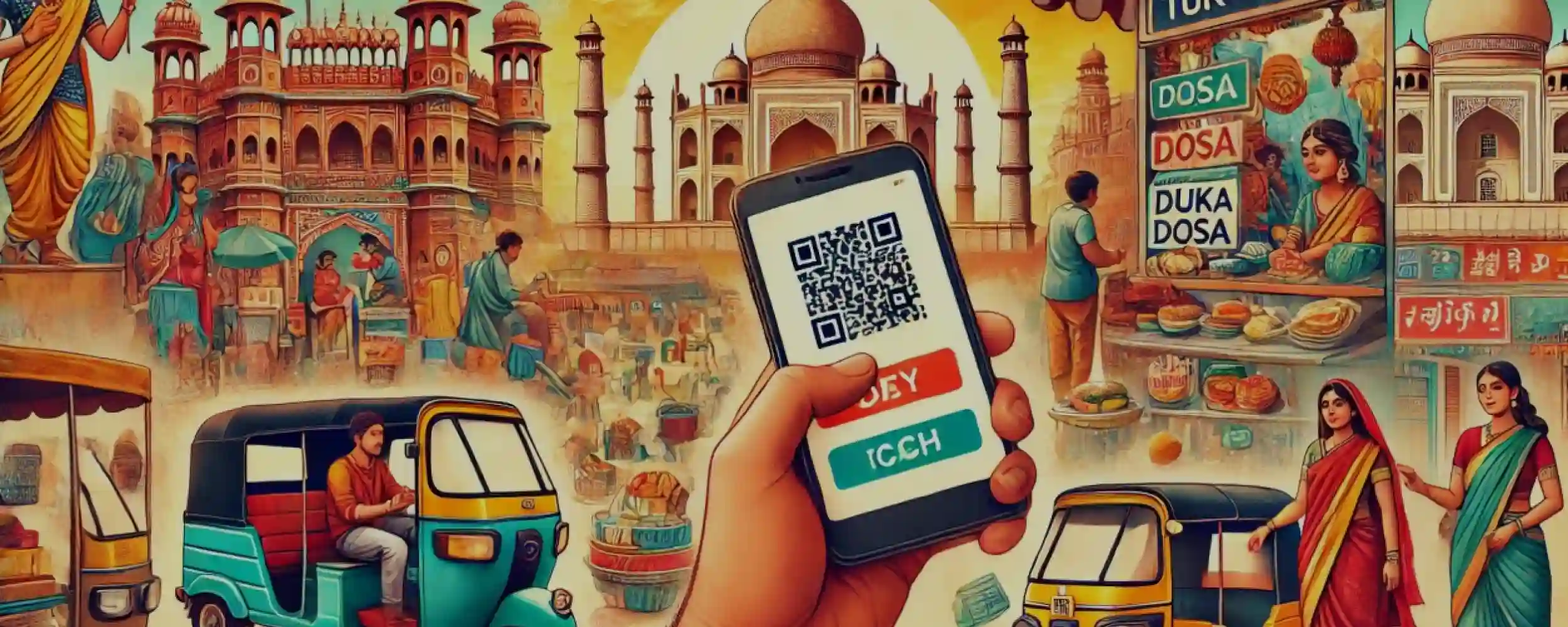
Travel is not just about the places you visit. It is about blending into the culture and moving through a city the way locals do. From eating Mumbai street food at a roadside stall to hunting for bargains in Delhi’s crowded markets, how you pay shapes that experience more than most people expect.
Apple Pay is a reasonable starting point. It falls short in more places than users tend to anticipate, though — particularly across India. Here, an entirely different payment ecosystem dominates. When the shopkeeper in Jaipur does not accept your mobile wallet, or a QR code at a chai stall leads to a UPI prompt your app cannot handle, you face a problem. That is the gap Mony closes.
Why Apple Pay Is Not Enough for India
UPI — the Unified Payments Interface — runs India’s payment economy. Upscale restaurants use it. So do roadside pani puri vendors, auto-rickshaw drivers, and temple donation counters. Most of these vendors do not accept international mobile wallets. Many do not take foreign cards at all.
Cost is another issue. Foreign cards attract conversion fees, international transaction charges, and poor exchange rates. These quietly eat into your travel budget with every swipe. Cash brings its own complications: ATM compatibility problems, withdrawal fees, and the need to carry enough rupees for spontaneous purchases.
The standard tourist toolkit — foreign card plus Apple Pay — leaves too many gaps when you are on the ground in India.
How Mony Lets You Pay Like a Local
Mony is a travel finance app for NRIs and international visitors. It lets you pay the way locals do — using UPI, local cards, or cash — without hidden fees and with access to genuinely competitive exchange rates. You stop standing out as a tourist at every transaction.
Seamless UPI Payments
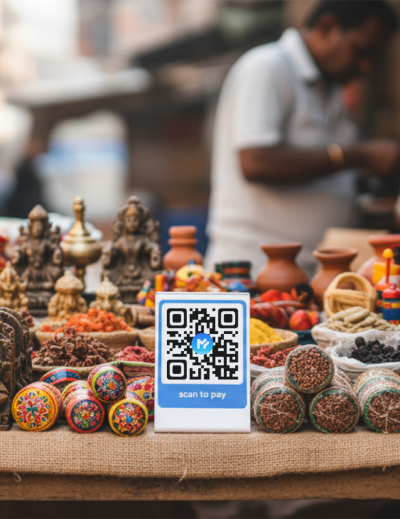
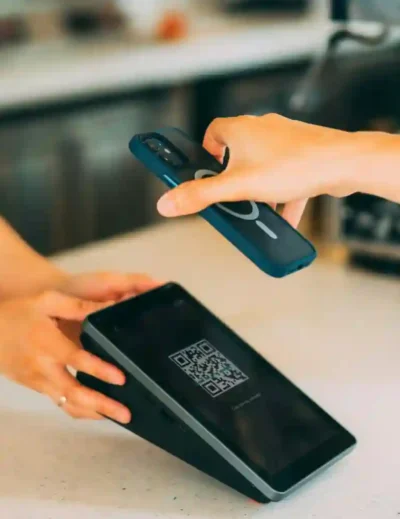
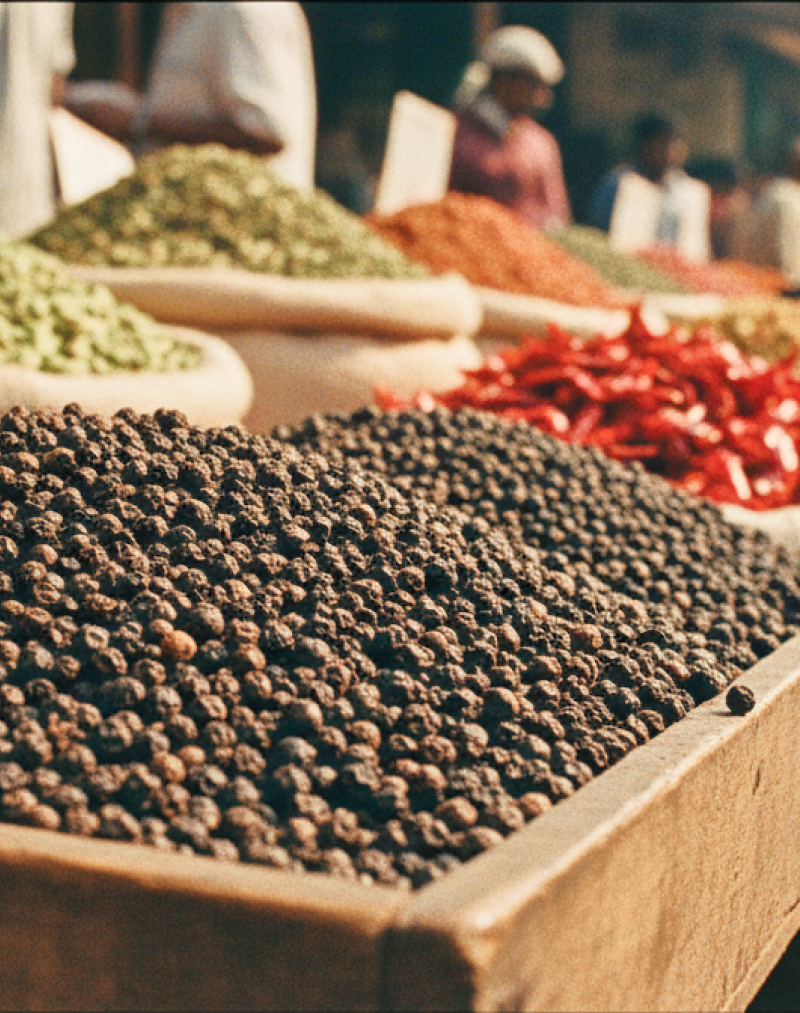
Mony lets you scan and pay via UPI QR codes across India. Buying a dosa at a Chennai street cart, paying for an auto-rickshaw in Bengaluru, or picking up spices at a Delhi spice market — all of it works without conversion prompts, declined transactions, or explanation.
Better Exchange Rates, No Hidden Fees
Every foreign card swipe in India costs money. Banks and card networks take a cut through conversion fees and unfavourable rates. Mony cuts this out by offering the best available exchange rates with no hidden charges. Over a full trip — with frequent small purchases at markets, food stalls, and local transport — the savings add up fast.
Local Cash Access Without the Hassle
Not every vendor accepts digital payments, even in cities. Mony gives you access to local currency quickly, without ATM fees and card-compatibility frustrations. You arrive prepared rather than scrambling.
What Paying Like a Local Actually Feels Like
A real difference exists between a tourist who fumbles with payment and one who moves through a transaction with confidence. Paying for street food at Mohammed Ali Road in Mumbai via QR code, or settling a tuk-tuk fare in Delhi without breaking a large note — these small moments change the texture of a trip.
Many vendors in India also respond differently to buyers who pay in familiar ways. Arriving at a Jaipur bazaar with UPI ready puts you in a better negotiating position than arriving with only a foreign card or high-denomination notes.
Who Mony Is Built For
Mony suits NRIs returning to India for family visits, festivals, or holidays. It works equally well for international tourists on extended trips across Indian cities and states. Both groups face the same core problem: their existing payment tools do not fit the Indian market. Mony does.
Consider the Colaba Causeway in Mumbai, Chandni Chowk’s Paratha Wali Gali, or a smaller city where no reliable card terminal exists for kilometres. In each case, Mony keeps you moving. No stopped transactions. No payment system you cannot access.
Start Travelling Smarter
Good travel finance should be invisible. Payments work so well that you stop thinking about them. Mony brings that standard to one of the world’s most rewarding and complex travel destinations. Pay like a local, spend less on fees, and put your attention where it belongs — on the trip itself.




Leave a Reply