
Top 5 Cultural Experiences You Can’t Miss in Delhi
Table of Contents
Delhi offers more cultural depth than most visitors allocate time for. The things to do in delhi that stay with visitors longest are rarely the monument photographs — they are the Thursday evening Qawwali at Nizamuddin, the afternoon spent talking to a Madhubani painter at Dilli Haat, or the classical dance performance that runs longer than expected because nobody wants it to end. This guide covers the five cultural experiences that deliver the most genuine engagement with the city.
Dilli Haat — A Microcosm of India
Dilli Haat near INA Market is one of the most rewarding things to do in delhi for visitors who want to encounter Indian craft traditions without travelling across the country. Artisans from every state rotate through the market, selling Kalamkari fabrics, tribal jewellery, Madhubani paintings, and brassware alongside food stalls serving regional specialities. The food alone justifies the visit — momos from Sikkim, Rajasthani dal baati churma, and Hyderabadi biryani all appear at different stalls throughout the market. Entry costs Rs 30 for Indian nationals and Rs 100 for foreign visitors. The market opens daily from 10:30 AM to 10:00 PM. Weekday visits are considerably calmer than weekends and allow more time with individual artisans. The nearest metro station is INA Metro Station on the Yellow and Pink lines.
Qawwali at Nizamuddin Dargah — Sufi Devotion Every Thursday
Nizamuddin Dargah hosts Qawwali — Sufi devotional music — every Thursday evening from around 6:00 PM. The shrine of the 13th-century Sufi saint Hazrat Nizamuddin Auliya draws both devotees and visitors in numbers that increase as the evening progresses. The musicians perform in the courtyard around the tomb, and the combination of the music, the incense, and the crowd creates an atmosphere that is difficult to replicate anywhere else in the city. Entry is free. Dress modestly and cover your head before entering the dargah. The nearest metro station is Hazrat Nizamuddin Station on the Violet Line. Arrive by 5:30 PM to secure a position near the front of the courtyard before the crowd fills.
National Museum — Five Millennia in One Building
The National Museum on Janpath is the most comprehensive single institution for Indian history and art in the country. The Indus Valley Civilisation gallery, the Mughal miniature painting collection, and the Buddhist sculpture section are the three strongest areas. Temporary exhibitions, workshops, and guided tours add further reasons to visit beyond the permanent collection. Entry costs Rs 20 for Indian nationals and Rs 650 for foreign visitors. The museum opens Tuesday to Sunday from 10:00 AM to 6:00 PM. Allow two to three hours minimum. The nearest metro station is Udyog Bhawan Metro Station on the Yellow Line. This is among the most educational things to do in delhi for first-time visitors wanting historical context before exploring the city’s monuments.
Classical Dance Performances — India’s Performing Arts Traditions
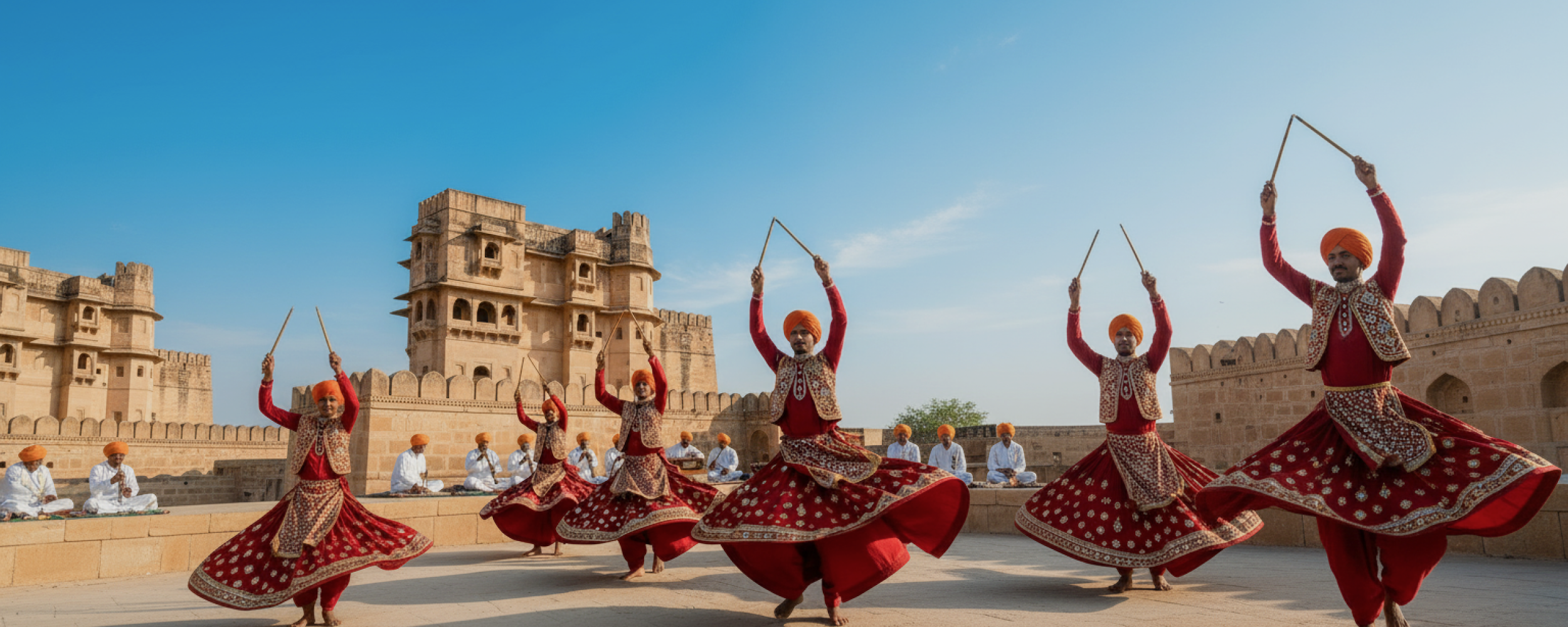
Kamani Auditorium near Mandi House is the most reliable venue for classical Indian dance performances in Delhi. Kathak, Bharatanatyam, Odissi, and Manipuri are all performed here regularly, accompanied by live classical music. Ticket prices run from Rs 200 to Rs 800 depending on the performance and seating. The schedule varies by season and is strongest during the cultural festival months of October through February. Check the auditorium’s calendar online before your visit. The nearest metro station is Mandi House Metro Station on the Blue and Violet lines. This is one of the things to do in delhi that consistently surprises visitors who have not previously encountered Indian classical dance at a high level.
Festival Celebrations — Delhi’s Living Calendar
Delhi’s festive calendar runs year-round and produces some of the most visually and socially immersive things to do in delhi across all seasons. Diwali in October or November transforms the city’s residential neighbourhoods into lit celebrations that last several days. Holi in March produces street celebrations that are most accessible in areas like Connaught Place and South Delhi parks. The Qutub Festival held annually at Qutub Minar brings classical music and dance performers to one of the city’s most atmospheric settings, with tickets typically running Rs 100 to Rs 500. Lodi Art Festival in February fills Lodhi Colony with new street murals and public art events that are free to attend.
Paying Across Delhi’s Cultural Venues
Entry fees, food stalls at Dilli Haat, performance tickets, and auto-rickshaw fares across Delhi all involve a mix of cash and UPI transactions. For NRI visitors and international tourists working through things to do in delhi, Mony makes every payment effortless. Mony is a travel finance app that lets NRIs and tourists pay like locals using UPI — no foreign card fees, no currency exchange complications, and no declined payments at smaller vendors or food stalls. Scan, pay, and focus on the experience.




Leave a Reply