
Table of Contents
Get ready to embark on the adventure of a lifetime. India draws travellers from all over the world with its beauty and vibrancy. From lively cities and the soaring Himalayas to colourful festivals and sacred rivers, there are so many ways to experience this destination. So relax — we’re about to take you on a journey through India’s Golden Triangle.
Why India Captivates Every Traveller
Few places in the world ensnare our senses the way India does. This fascinating South Asian country is as diverse as it is vast. Its history stretches back over 5,000 years. Visitors find endless landmarks that tell the story of India’s rich and complicated past. Whether you’re learning about ancient times, sampling fragrant cuisine, or finding spiritual respite, prepare to be spellbound.
It’s best to go in without expectations and let India’s zest for life wash over you. One way to experience the country’s frenzy and diversity is by exploring the Golden Triangle. This well-travelled route connects Delhi, Agra, and Jaipur. Visitors should allow at least eight days to properly cover it. Most trips begin in Delhi, continue to Agra’s Taj Mahal, and then move on to Jaipur before ending in Varanasi.
Delhi – Where Ancient Meets Modern
A City Like No Other
Arrive in Delhi and spend the day wandering a city full of Mughal-era buildings. Many visitors pass through India’s capital on their way to Agra. However, Delhi rewards those who slow down and explore. On one side, you find centuries-old Indo-Islamic architecture. On the other, remnants of colonial occupation sit alongside futuristic skyscrapers and shopping malls.
What to See and Do
Friendly locals make their way to the temple, sip chai, or watch the world go by from rooftops — all amid the heady mix of roaring rickshaws and mouth-watering street food. Delhi has served as India’s capital for more than 100 years. It nods to the past while embracing the country’s flourishing present.
Start your exploration at the Jama Masjid, a domed haven amid Old Delhi’s chaos. Mughal emperor Shah Jahan built this red sandstone treasure. Next, navigate the iconic Chandni Chowk, where you can pick up delicious street food. A Coke and a plate of spicy chaat is a must. Most versions include potatoes or chickpeas tossed with tart chutneys, fresh yoghurt, and crunchy toppings.
Before leaving Delhi, visit the Red Fort, the primary residence of the Mughal dynasty. Additionally, pay your respects at the eternal flame beside Mahatma Gandhi’s memorial. Stay overnight to watch the sun set over this remarkable city before heading to Agra.
Agra – Home of the Taj Mahal
The World’s Most Iconic Monument
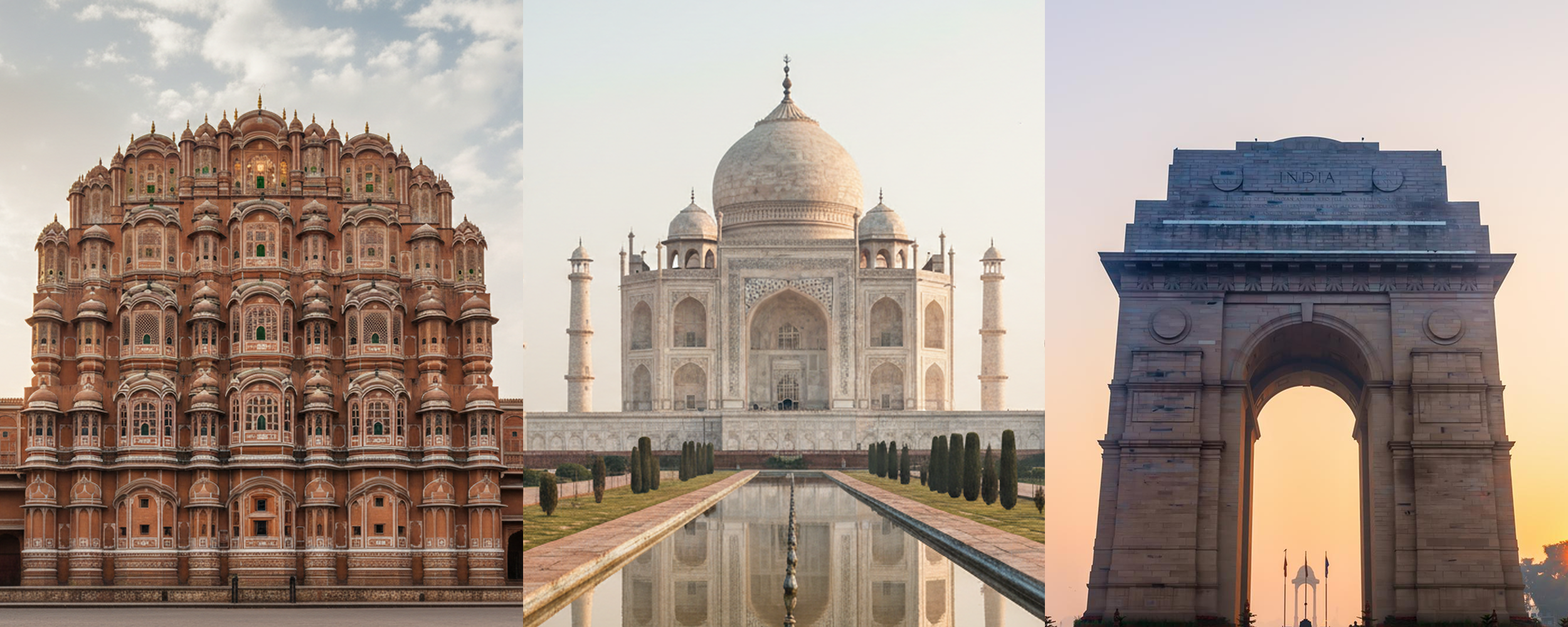
Agra’s most beloved monument, the Taj Mahal, ranks among the most famous buildings in the world. Shah Jahan built this pristine white marble mausoleum as a memorial to his wife, Mumtaz. Construction took 22 years. Today, it stands as an everlasting symbol of undying love. Rabindranath Tagore famously described it as “a teardrop on the cheek of eternity.”
More Than Just the Taj
The Taj Mahal changes colour throughout the day. In the morning, pink hues grace its façades. At night, moonlight turns it gold. Furthermore, the Mughal Empire left behind other magnificent sights nearby. Both Agra Fort and Fatehpur Sikri are equally worth your time.
Jaipur – The Pink City of Rajasthan
India’s Crown Jewel
After Agra, travel to Jaipur, the gateway to Rajasthan. This region is India’s crown jewel, offering splendid palaces, mighty fortresses, and vivacious festivals. The royal family that once ruled the region founded Jaipur. It earned the nickname “Pink City” because of the distinctive pink sandstone buildings that line its streets.
Top Attractions in Jaipur
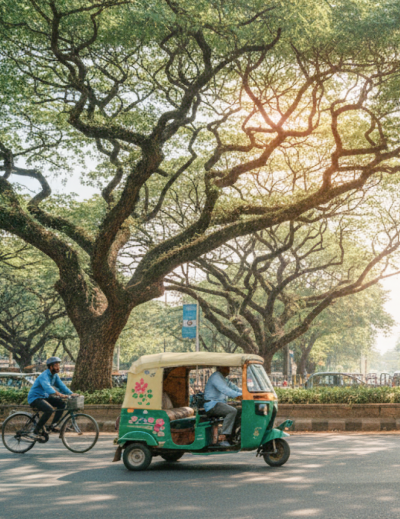
The streets buzz with buses adorned with art and flowers, zooming rickshaw-wallas, and street vendors ladling local food onto paper plates. At the centre of it all sits City Palace. While parts remain a royal residence, visitors can explore the gardens, courtyards, and museums.
Amber Fort, Jaipur’s star attraction, sits on a hill beside the calm waters of Maota Lake. Builders constructed this 16th-century palace complex from pale yellow and pink sandstone. Moreover, the Jantar Mantar Royal Astronomical Observatory is home to Samrat Yantra — the world’s largest sundial.
Also worth seeing is the intricate Hawa Mahal, a five-storey palace overlooking the bazaar. This leads naturally to an afternoon in Jaipur’s market lanes, where textiles, gems, and carpets fill every stall. They are famous for quality handicrafts and jewellery — the perfect place to pick up a royal memento.
A Final Stop: Varanasi
No trip to India is complete without a visit to Varanasi. Pilgrims travel here for the holy waters of the Ganges — to wash away sins, cremate loved ones, or pay homage to Buddha in Sarnath. Consequently, the city buzzes with people, yet it still evokes a deeply soulful feeling. In the evenings, the ancient Ganga Aarti ceremony draws thousands to the riverbank. As the sun descends, musical instruments fill the air and diyas light up the Ganges. It is one of the most evocative experiences in India — and the perfect way to end your journey.
Effortless Payments with Mony
Embarking on your adventure should be about fun, not fretting over finances. With Mony, you enjoy effortless payments and convenient top-ups no matter where you are. From paying for a paragliding session in Bir Billing to booking accommodation in the Andaman and Nicobar Islands, Mony keeps your transactions fast, secure, and stress-free. Top up your account before your trip and forget about cash concerns or currency exchanges. Simply stay ready, stay connected, and let Mony handle the rest.
Leave a Reply