
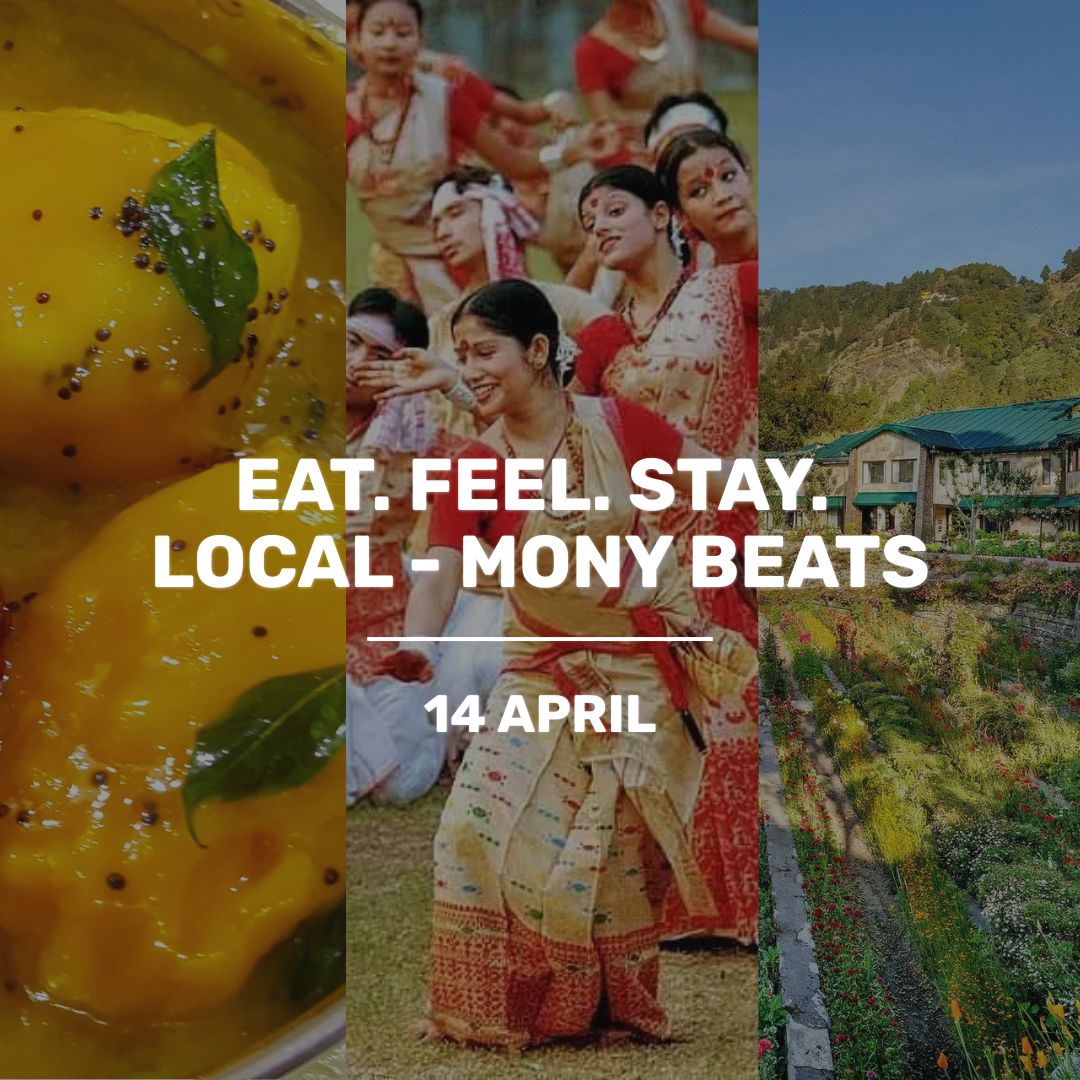
Mony Beats: Mango Season in India — Food, Festivals and Stays
April in India rewards those who look beyond the obvious. Not only does mango season reach its peak, but Assam also breaks into song and dance for its most beloved festival. Meanwhile, the forests of Uttarakhand offer a retreat that most travellers never find. This edition covers all three — with practical guidance on getting there, what to spend, and how to pay without the usual tourist friction.
Eat Local: Mango Season in India
India grows over 1,500 varieties of mango. The season picks up in mid-April, and while most visitors know the Alphonso and the mango lassi, regional cuisines use the fruit in ways that go far beyond the familiar. In particular, savoury mango dishes are where things get genuinely interesting.
Five Unusual Mango Dishes Worth Seeking Out
In coastal Karnataka and Kerala, cooks add raw mango to fish curries for sharp, fruity acidity. Similarly, Gujarat offers keri no ras, a tart raw mango drink consumed during the hottest part of the day — distinct from lassi and considerably more refreshing in the heat. Tamil Nadu’s maanga sadam, on the other hand, is a rice dish cooked with raw mango and tempered with mustard and dried chilli. In Bengal, aam dal combines lentils with unripe mango for a sour-savoury summer staple that most tourists never encounter. Furthermore, Maharashtra’s Konkan coast sometimes prepares sol kadhi with raw mango instead of kokum, giving the drink a different but equally cooling character.
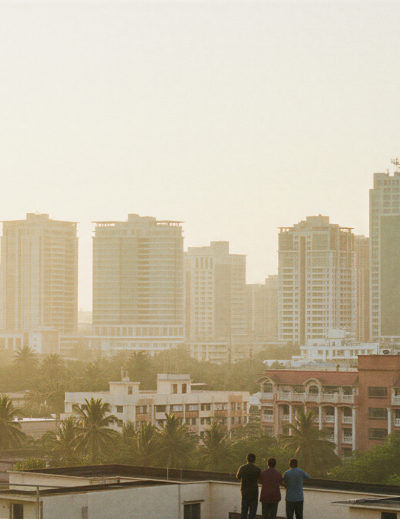
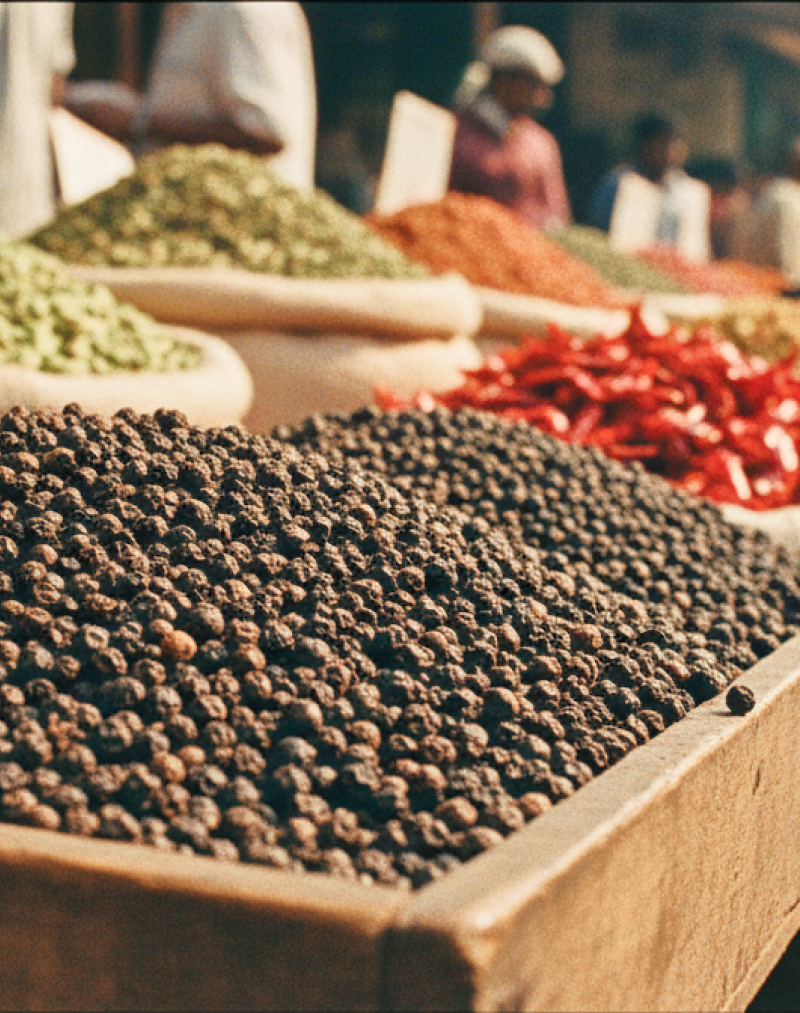
If you are in Mumbai this April, Crawford Market is one of the best places to find a wide selection of mangoes at fair prices. Alphonso mangoes typically cost between Rs 200 and Rs 500 per dozen depending on grade. The market opens at around 11:00 AM and runs until 9:00 PM. Moreover, the nearest metro station is CSMT Metro Station, just a short walk away.
Feel Local: Rongali Bihu in Assam
Rongali Bihu — also called Bohag Bihu — is Assam’s spring festival and one of the most culturally rich celebrations in northeastern India. It falls in mid-April and marks the Assamese New Year. In addition, it signals the start of the agricultural season. Unlike many Indian festivals with a primarily religious character, Bihu is communal at its core: music, dance, seasonal food, and the act of coming together.
What to Expect
The Bihu dance is the visual centrepiece of the festival. Groups of young men and women perform in traditional dress to the rhythm of the dhol drum and the pepa, a wind instrument made from buffalo horn. Consequently, performances draw large crowds across open grounds and community fields in Guwahati and in smaller towns throughout the state. Entry to most community performances is free, though organised cultural shows in the city may charge between Rs 50 and Rs 200.
Food is equally central to the celebration. Traditional preparations include pitha (rice cakes made with jaggery and sesame), laru (coconut or sesame balls), and fresh spring vegetables. Additionally, households exchange gamosas — handwoven cotton towels that carry deep cultural meaning as gifts of respect.
Getting to Guwahati
Lokpriya Gopinath Bordoloi International Airport connects Guwahati to Delhi, Mumbai, and Kolkata with regular flights. Alternatively, Guwahati Railway Station is served by trains from across the country, including overnight services from Kolkata. Within the city, app-based cabs and auto-rickshaws are the most reliable way to move around during the festival period.
For NRI visitors and international tourists attending Bihu, Mony removes the payment friction that tends to slow travellers down at festivals. Specifically, Mony is a travel finance app that lets you pay like a local — via UPI, local cards, or cash — with no hidden fees and genuinely competitive exchange rates. As a result, paying a pitha vendor, tipping a performer, or settling a cab fare all become as easy as they are for anyone who lives here.
Stay Local: Jungle Retreat in Uttarakhand
For those who want April to mean quiet rather than crowds, the forests around Ramnagar in Uttarakhand offer exactly that. Shervani Pebbles and Pines sits at the end of Kyari Gaon, a small hamlet reached by driving five kilometres through dense forest and another two kilometres of village road. The property, as a result, earns its reputation as a hideaway.
The Stay
The resort consists of four semi-circular buildings set around a large swimming pool and well-maintained lawns. Superior Jacuzzi rooms — furnished with sheesham wood, Egyptian cotton linens, and a tiled balcony — are the standout option. These rooms are priced between Rs 8,000 and Rs 15,000 per night depending on season, and most packages include meals. Furthermore, the kitchen sources produce organically and locally, and a traditional Garhwali thali is available on advance request for Rs 600 to Rs 1,200 per person.
Safari and Activities
The resort handles bookings into Jim Corbett National Park in-house, which means you avoid unlicensed operators entirely. Morning safaris run from around 6:00 AM to 9:30 AM, while afternoon safaris go from 2:30 PM to 5:30 PM. Entry fees range from Rs 200 to Rs 600 for Indian nationals and Rs 1,500 to Rs 2,500 for foreign visitors. In addition, jeep hire and guide fees add approximately Rs 2,500 to Rs 4,000 per vehicle.
Getting There
The nearest railway station is Ramnagar Railway Station, served by trains from Delhi including the Ranikhet Express. From there, a taxi to the resort costs Rs 500 to Rs 800 and takes 35 to 40 minutes. Alternatively, Pantnagar Airport is the nearest airport at roughly 80 kilometres, though most visitors travel via Delhi by train or hired cab.
Pay Without Thinking About It
Whether you are buying mangoes at Crawford Market, taking an auto to a Bihu performance in Guwahati, or tipping a safari guide in Ramnagar, every one of these moments involves a local payment. Mony makes that seamless — UPI, local cards, or cash, all without conversion fees or compatibility problems. This India local travel April guide covers what to do; consequently, Mony handles how you pay for it.
For a fresh dose of travel inspiration every month, subscribe to Mony Beats at bit.ly/4czUJJv.





Leave a Reply