
Table of Contents
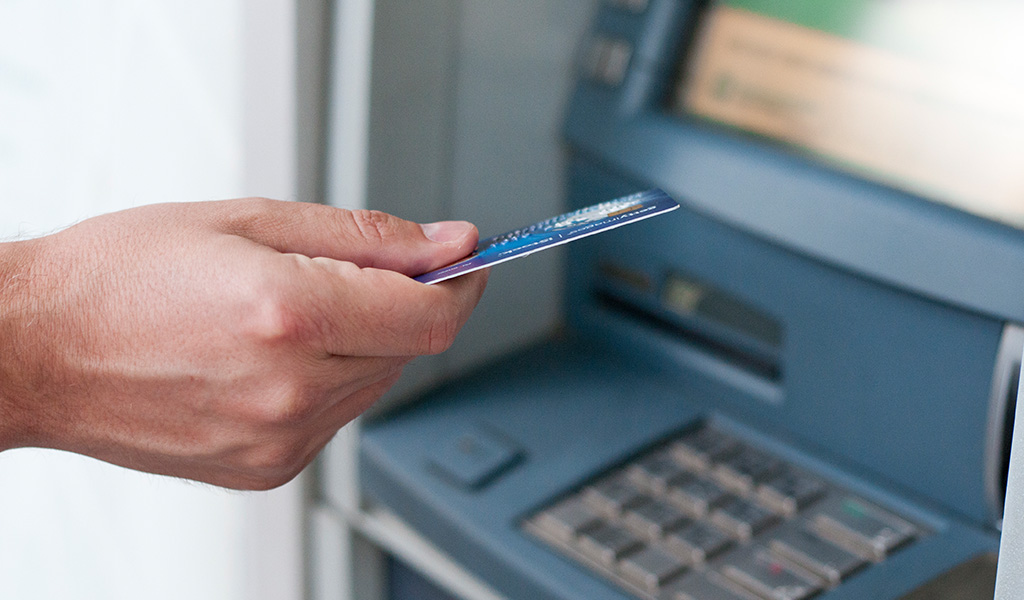
Using an ATM in India for tourists is more complicated than most visitors expect. International cards work at some machines and not others. Fees accumulate across multiple layers. And in smaller towns, finding a functioning ATM that accepts foreign cards can take considerably more time than the transaction itself. This guide covers how ATMs work for international visitors in India, what the costs look like, and why a UPI-based alternative removes most of these complications entirely.
Where ATMs Work for International Cards
In major cities — Delhi, Mumbai, Bengaluru, Hyderabad, and Chennai — ATMs are genuinely abundant. Banks including HDFC, ICICI, SBI, Axis, and Citibank maintain large networks in these cities, and most of their machines accept Visa and Mastercard issued by foreign banks. Near major tourist sites, airports, and five-star hotel districts, finding a working ATM that accepts an international card is generally straightforward.
The situation changes outside the major cities. In smaller towns, popular tourist destinations like Pushkar, Hampi, and Spiti Valley, and most rural areas, ATM availability drops significantly. Machines that exist may be out of cash, out of service, or configured for domestic cards only. Consequently, relying on ATMs as your primary payment method is a genuine risk in these locations.
Fees When Using an ATM in India for Tourists
The cost of using an ATM in India for tourists involves multiple layers, and the total is consistently higher than most visitors anticipate. The fees typically include:
- Your home bank’s foreign transaction fee — typically 1 to 3 percent of the transaction value
- Your home bank’s international ATM withdrawal fee — typically Rs 200 to Rs 500 equivalent per withdrawal
- The Indian bank’s ATM usage fee for international cards — typically Rs 100 to Rs 250 per transaction
- Currency conversion spread — the difference between the interbank rate and the rate applied to your transaction
On a single withdrawal of Rs 10,000, the combined cost of these fees can reach Rs 500 to Rs 1,000 or more. Furthermore, most Indian ATMs cap international card withdrawals at Rs 10,000 to Rs 15,000 per transaction. Consequently, multiple withdrawals across a trip accumulate fees that add up to a meaningful percentage of the total travel budget.
Practical Issues Beyond Fees
Card Compatibility
Not all Indian ATMs accept all international cards. Visa and Mastercard work at most major bank ATMs in cities. American Express acceptance is considerably more limited. Some machines have daily limits for international cards separate from the standard withdrawal cap. If your card is declined at one machine, try a different bank’s ATM rather than attempting the same machine multiple times — multiple failed attempts can temporarily block your card.
ATM Safety
Use ATMs located inside bank branches or in well-lit, busy locations rather than freestanding machines in quieter areas. Cover the keypad when entering your PIN. Avoid machines with any visible attachments to the card slot that look out of place. These precautions apply in India as they do anywhere, but the high volume of tourist traffic at popular sites makes some machines a higher-priority target for skimming devices.
Informing Your Bank
Notify your home bank before travelling to India. Banks frequently block international transactions as a fraud prevention measure. A blocked card at a remote ATM in Rishikesh or Leh is a significantly more stressful situation than the same problem at home. Most banks allow you to pre-authorise international transactions through their app or by calling customer service.
Why Mony Is a Better Alternative to ATM in India for Tourists
The core problem with relying on ATMs is that even when they work, the fees are high and the coverage is incomplete. Mony addresses both issues directly. Mony is a travel finance app that lets NRIs and tourists pay like locals using UPI — the payment system used by virtually every merchant in India, from street food vendors to five-star hotels.
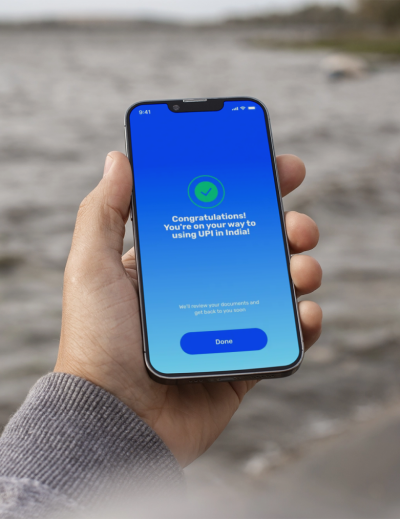
You top up the Mony wallet using any international debit or credit card. The funds convert to Indian Rupees at competitive exchange rates. From that point, you pay by scanning UPI QR codes at any merchant — no withdrawal fees, no ATM compatibility issues, and no need to find a working machine in a remote area. The coverage, moreover, is considerably broader than the ATM network. A street vendor in Chandni Chowk who does not have a card terminal almost certainly has a UPI QR code.
Using Cash and Mony Together
A practical approach for most visitors is to withdraw a modest amount of cash on arrival at an international airport ATM — where major bank machines reliably accept foreign cards and the location is convenient — and then use Mony for the majority of daily spending. This covers the small percentage of vendors who do not yet accept UPI while eliminating the ongoing fee and reliability issues of ATM dependence across a full trip. Any unused balance in the Mony wallet encashes before departure through the app, removing the standard end-of-trip problem of leftover rupees.






Leave a Reply