

August is one of India’s most underrated travel months. The monsoon fills rivers, turns hillsides vivid green, and pushes waterfalls to their peak. Additionally, crowds thin at many destinations, prices drop, and the landscape looks nothing like it does in winter. If you are planning a trip, these five destinations offer the most rewarding experiences the season has to offer. They are, in short, the best places to visit in India in August.
Munnar, Kerala — Rain-Kissed Tea Hills
Temperatures in Munnar during August sit between 18°C and 25°C. The monsoon deepens the green of the tea plantations and pushes the region’s waterfalls to their most dramatic. As a result, it draws nature travellers who want scenery over crowds.
What to See and Do
Eravikulam National Park is home to the endangered Nilgiri Tahr and offers excellent walking trails when weather permits. Attukad Falls and Lakkam Waterfalls run at full force during the monsoon. The Tea Museum gives a well-structured introduction to the region’s plantation history and takes about two hours to visit. For active travellers, the trek to Meesapulimala — the second-highest peak in the Western Ghats — rewards the effort, though a local guide is essential in August due to trail conditions.
How to Get There
Cochin International Airport is approximately 110 kilometres away. Aluva Railway Station is the closest railhead, also around 110 kilometres from Munnar. From either point, taxis cost Rs 1,800 to Rs 2,500. The road is winding, so allow two and a half to three hours for the journey.
Where to Stay
Budget travellers find good value at Zostel Munnar, with dorm beds from Rs 500 per night. For families, Tea Valley Resort works well. At the luxury end, SpiceTree Munnar and Blanket Resort and Spa both offer strong plantation views and attentive service.
Valley of Flowers, Uttarakhand — A Blooming UNESCO Marvel
August marks peak bloom season in the Valley of Flowers National Park. Temperatures range from 12°C to 20°C, and over 500 species of alpine wildflowers cover the valley floor. Consequently, this UNESCO World Heritage Site earns its place among the best places to visit in India in August for anyone drawn to high-altitude landscapes.
What to See and Do
The standard route involves a 17-kilometre trek from Govindghat to the base camp at Ghangaria, then a further walk into the valley. Many visitors also add a trip to Hemkund Sahib, a Sikh pilgrimage site at 4,329 metres, and to Badrinath Temple. Trekking permits cost Rs 150 per day for Indian nationals and Rs 600 per day for foreign visitors. Book them at the park entrance in Ghangaria.
How to Get There
Jolly Grant Airport in Dehradun is approximately 270 kilometres from Govindghat. Rishikesh Railway Station is the most practical railhead, from which shared taxis and buses run to Govindghat in seven to nine hours. Book accommodation in Ghangaria early, since options are limited and August fills them fast.
Coorg, Karnataka — Coffee Hills in Monsoon
Coorg sits between 19°C and 26°C in August. Mist covers the coffee and cardamom plantations, waterfalls run strong, and the pace of life slows considerably. In contrast to the more active destinations on this list, Coorg suits travellers who want walks, good food, and genuine quiet.
What to See and Do
Abbey Falls and Iruppu Falls are both powerful and worth visiting in August. Namdroling Monastery — one of the largest Tibetan Buddhist monasteries in India — opens daily from 9:00 AM to 6:00 PM and charges no entry fee. Raja’s Seat in Madikeri offers valley views best seen at dusk. Most homestays in the area arrange plantation walks and coffee tastings on the day, often at no extra cost.
How to Get There
Mangalore International Airport is 160 kilometres away. Mysore Railway Station sits around 120 kilometres from Madikeri, with regular buses making the three-hour journey. Buses from Bangalore also run directly to Coorg, taking four to five hours.
Where to Stay
At the luxury end, Evolve Back and The Tamara are the most consistently recommended properties. For a more personal experience, Rainforest Retreat and Silver Brook Estate offer plantation settings with genuine character.
Cherrapunji, Meghalaya — Monsoon at Its Most Extreme
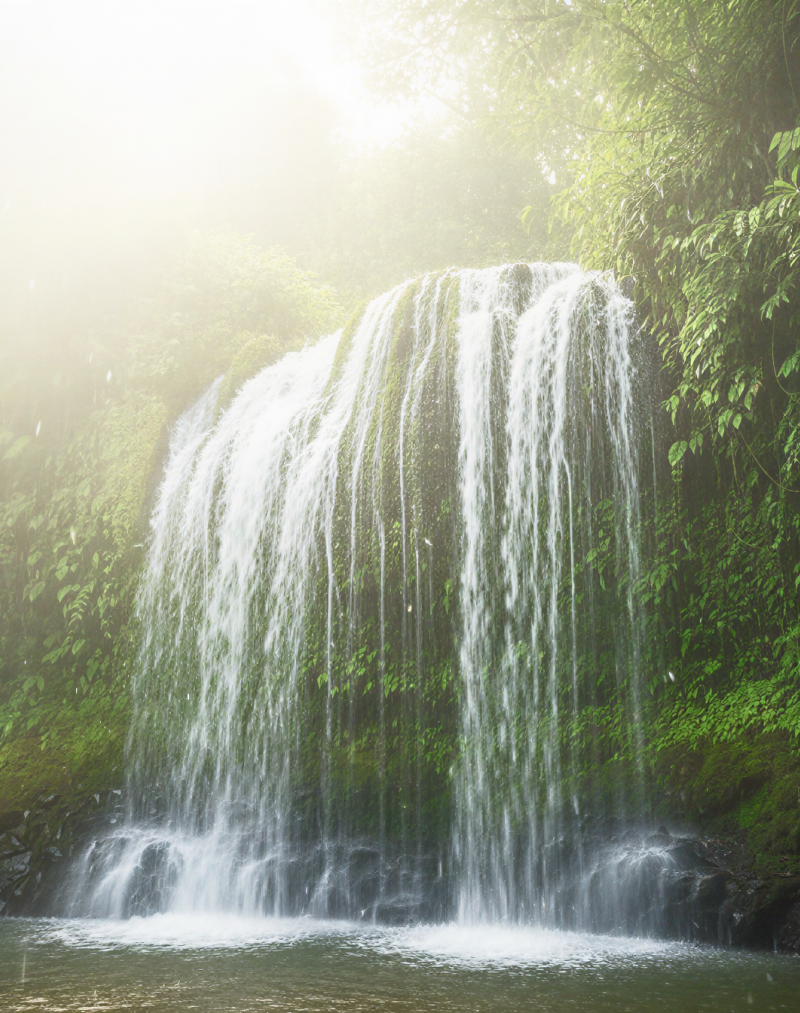
Cherrapunji receives some of the highest rainfall on earth. In August, temperatures hold between 17°C and 22°C, waterfalls appear on every hillside, and the landscape takes on a quality found nowhere else in India. The living root bridges of the surrounding forest are at their most impressive now, and consequently this is the best time to visit.
What to See and Do
Nohkalikai Falls — among the tallest plunge waterfalls in India — runs at full volume in August. The viewpoint is free to access. The Double Decker Living Root Bridge near Nongriat village involves a steep descent of 3,500 steps and an equally demanding return climb. Allow four to six hours and carry water and snacks. Mawsmai Cave charges Rs 20 per person and takes around 30 minutes to explore. The drive from Shillong to Cherrapunji passes the Sohra plateau, with viewpoints throughout the route.
How to Get There
Most visitors fly into Guwahati Airport and drive to Shillong — roughly two to three hours — then continue to Cherrapunji, a further hour by road. Shared taxis and private cabs run from Shillong’s Police Bazaar to Cherrapunji for Rs 800 to Rs 1,200 per vehicle. Shillong Airport at Umroi has limited flight options, so Guwahati remains the more reliable entry point.
Spiti Valley, Himachal Pradesh — High Altitude in Clear Season
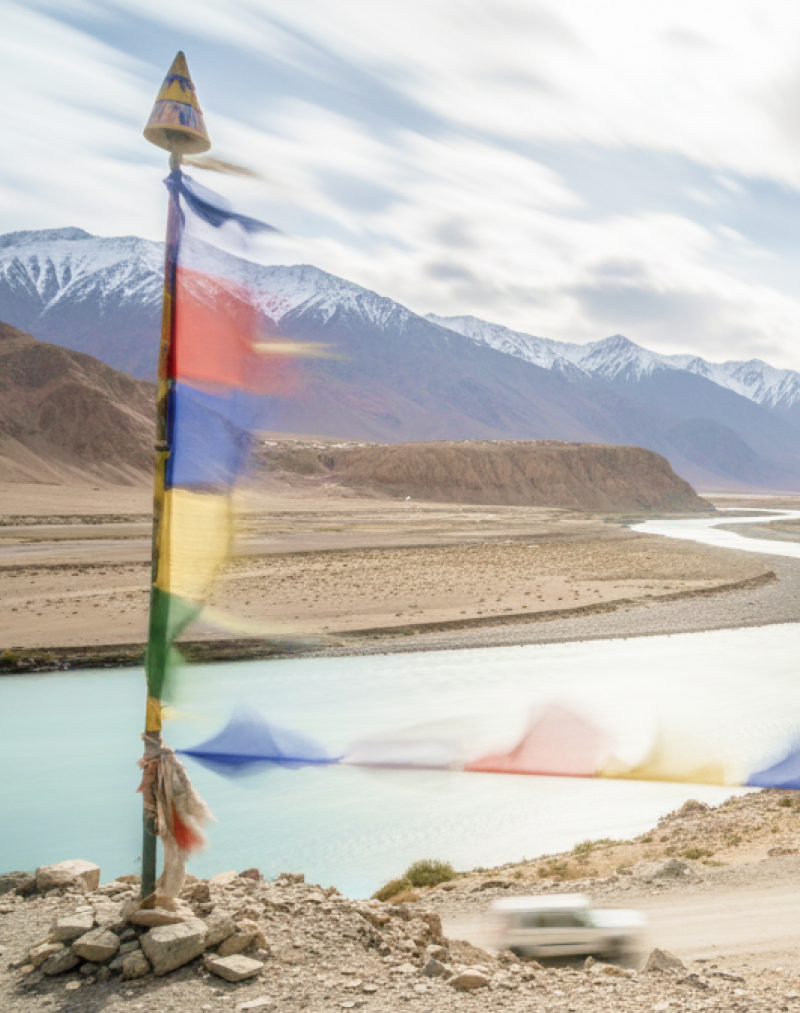
Spiti Valley sits above 3,800 metres and operates on a narrow weather window. August is one of the few months when roads stay reliably open and skies remain clear. Daytime temperatures range from 10°C to 20°C, but nights turn cold quickly. The landscape is high desert — stark, wide, and rimmed by snow-capped ridges. Ancient Buddhist monasteries perch on cliffs above river valleys, and almost no commercial tourism infrastructure exists. Furthermore, this remoteness is precisely what draws serious travellers here.
What to See and Do
Key Monastery is the largest in the valley and opens daily to visitors at no entry fee, though donations are welcome. Chandratal Lake sits at 4,300 metres and involves a short trek from the road — the walk takes 30 to 45 minutes and offers views that justify every step. Langza village sits above the main valley floor, known for its fossil beds and clear views of Chau Chau Kang Nilda peak. Inner Line Permits apply to some restricted zones near the Tibetan border. These cost Rs 100 to Rs 500 depending on the areas you plan to enter, and district offices in Kaza issue them directly.
How to Get There
Most travellers approach Spiti via Manali. Overnight buses from Delhi to Manali cost Rs 700 to Rs 1,500. From Manali, the drive to Kaza — the main town in Spiti — takes eight to ten hours via the Rohtang and Kunzum passes, both open in August but subject to short closures after heavy rain. Alternatively, the Shimla route via Kinnaur adds a day but offers better road conditions for most of the journey. There is no rail access to Spiti. The nearest railheads are Shimla and Joginder Nagar.
Travelling the Best Places in August with Mony
Moving between these destinations means paying locally at every stop. Street food vendors, trekking guides, monastery donation counters, and rural guesthouses all rely on cash or UPI. Foreign cards often fail at these points, and poor exchange rates quietly add up across a long trip. Mony solves this directly. It is a travel finance app for NRIs and tourists that lets you pay like a local — using UPI, local cards, or cash — with no hidden fees and the best exchange rates. Whether you buy cardamom chai in Coorg or pay a guesthouse bill in Kaza, the best places to visit in India in August become far easier to navigate when you travel with Mony.
Leave a Reply