
This Goa travel guide covers everything an international tourist needs to know about visiting India’s favourite coastal state in 2026. Goa isn’t what most people expect. The brochure version — all beach parties and tourist resorts — exists, but it’s only one layer. Beneath it is a state that spent 450 years as a Portuguese colony, where churches outnumber temples in some areas, where the local cuisine bears almost no resemblance to the rest of India, and where the pace of life genuinely slows down in a way that feels earned, not manufactured.
It’s India’s smallest state by area but one of its most visited. The appeal is obvious: a 100-km coastline, warm water year-round, food that fuses Indian spices with Portuguese techniques, cheap accommodation, and an atmosphere that ranges from yoga-retreat tranquil in the south to full-throttle party in the north. Whether you have three days or three weeks, this Goa travel guide will help you make the most of it.
Goa at a Glance
| Detail | Info |
|---|---|
| Best time to visit | November – February (dry, warm, peak season) |
| Shoulder season | October and March — fewer crowds, good weather, lower prices |
| Avoid | June – September (monsoon — heavy rain, many places close) |
| Getting there | Goa Manohar International Airport (GOX) or Dabolim Airport (GOI). Direct flights from Delhi, Mumbai, Bangalore, Dubai, London, Moscow |
| From Mumbai | 1 hour flight, 10–12 hours by train (Konkan Railway — scenic), 10 hours by road |
| Currency | Indian Rupee (₹ / INR). ~₹84 = $1 USD |
| Payment | UPI accepted at most beach shacks, restaurants, shops, and hotels. Cards at upscale places only. Cash for tips and small vendors. |
| Daily budget | Budget: ₹2,000–3,000 │ Mid-range: ₹5,000–8,000 │ Luxury: ₹12,000+ |
| How many days? | 3–5 days minimum. 7–10 to explore both North and South Goa properly. |
| North vs South Goa | North: livelier, more nightlife, busier beaches. South: quieter, more scenic, better for relaxation. |
The Best Beaches in Goa
No Goa travel guide would be complete without a breakdown of the beaches. With over 100km of coastline, the quality varies enormously — here’s where to spend your time.
North Goa Beaches
Anjuna — The bohemian heart of North Goa. Famous for its Wednesday flea market (UPI accepted at most stalls), trance parties, and cliff-top bars. Curlies and Shiva Valley are the iconic spots. Can feel crowded in peak season but the energy is undeniable.
Vagator & Ozran — Dramatic red cliffs and smaller coves. Less crowded than Anjuna, more photogenic. Chapora Fort sits above for sunset views. W Goa hotel is here if you’re splurging.
Arambol — The free-spirited northernmost beach. Drum circles at sunset, yoga shalas, long-stay backpackers, and a freshwater lake behind the beach. The most “off-grid” feeling you’ll get in Goa.
Baga & Calangute — The most touristy beaches. Packed with sunbeds, water sports operators, and vendors. Tito’s Lane in Baga is Goa’s most famous nightlife strip. Good for a night out; not where you come for peace.
Morjim — Quieter, popular with Russian tourists, and home to olive ridley turtle nesting sites. Good cafes and a more relaxed vibe than Baga/Calangute.
South Goa Beaches
Palolem — A crescent-shaped bay lined with colourful shacks and palm trees. The most beautiful beach in Goa by many accounts. Kayaking to Butterfly Island is a highlight. Silent disco parties happen regularly. UPI widely accepted at shacks.
Agonda — Palolem’s quieter neighbour. Long, wide, and genuinely peaceful. Excellent for yoga, reading, and doing very little. Limited nightlife by design — that’s the point.
Cola Beach — A hidden gem accessed by a steep path through the jungle. A freshwater lagoon meets the sea. Very few people, no vendors. Bring your own water and snacks.
Cabo de Rama — Wild, cliff-backed beach below a Portuguese-era fort. Dramatic scenery, almost no tourists. The drive there through countryside is beautiful.
Things to Do in Goa Beyond the Beaches
Every good Goa travel guide goes beyond the sand. Here’s what’s worth your time inland.
Old Goa — The former Portuguese capital, now a UNESCO World Heritage Site. The Basilica of Bom Jesus (which holds the remains of St. Francis Xavier) and Se Cathedral are genuinely impressive — some of the finest examples of Portuguese colonial architecture in Asia. Free entry. 30 minutes from Panjim.
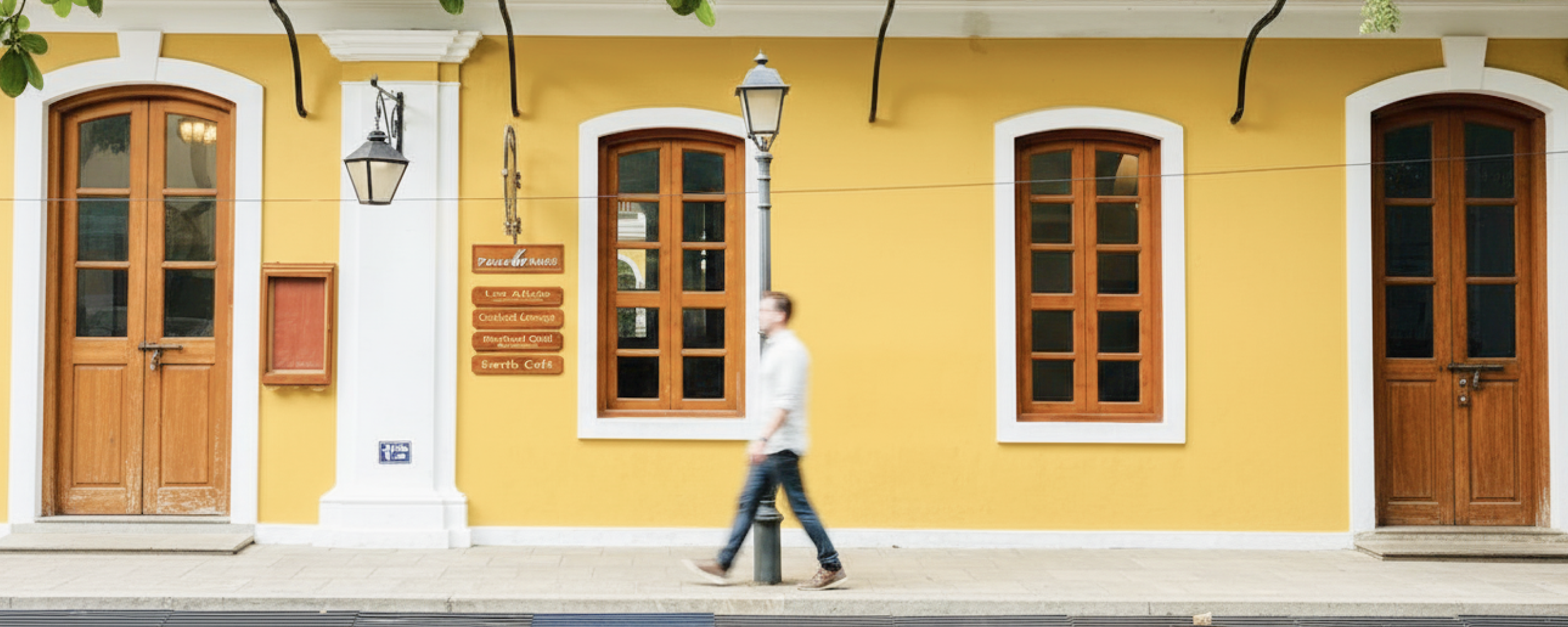
Panjim (Panaji) — Goa’s capital is often overlooked but has real charm. The Fontainhas Latin Quarter has narrow streets lined with pastel-coloured Portuguese houses, cafes, and art galleries. A half-day wandering here is well spent.
Spice plantations — Several in the Ponda area offer tours (usually including lunch) where you walk through working farms growing cardamom, pepper, vanilla, turmeric, and cashew. ₹400–800 per person including a meal. A good rainy-day activity or change of pace from the beach.
Dudhsagar Falls — India’s fifth-tallest waterfall, deep in the Western Ghats. Accessible by jeep from Mollem (45 minutes, ₹400–600 per person). Best during and just after monsoon (July–November). Spectacular but involves a bumpy ride and a short trek.
Where to Eat in Goa
For the full breakdown — specific restaurants, beach shacks, what to order, and prices — see our complete Where to Eat in Goa guide. Here’s the highlights:
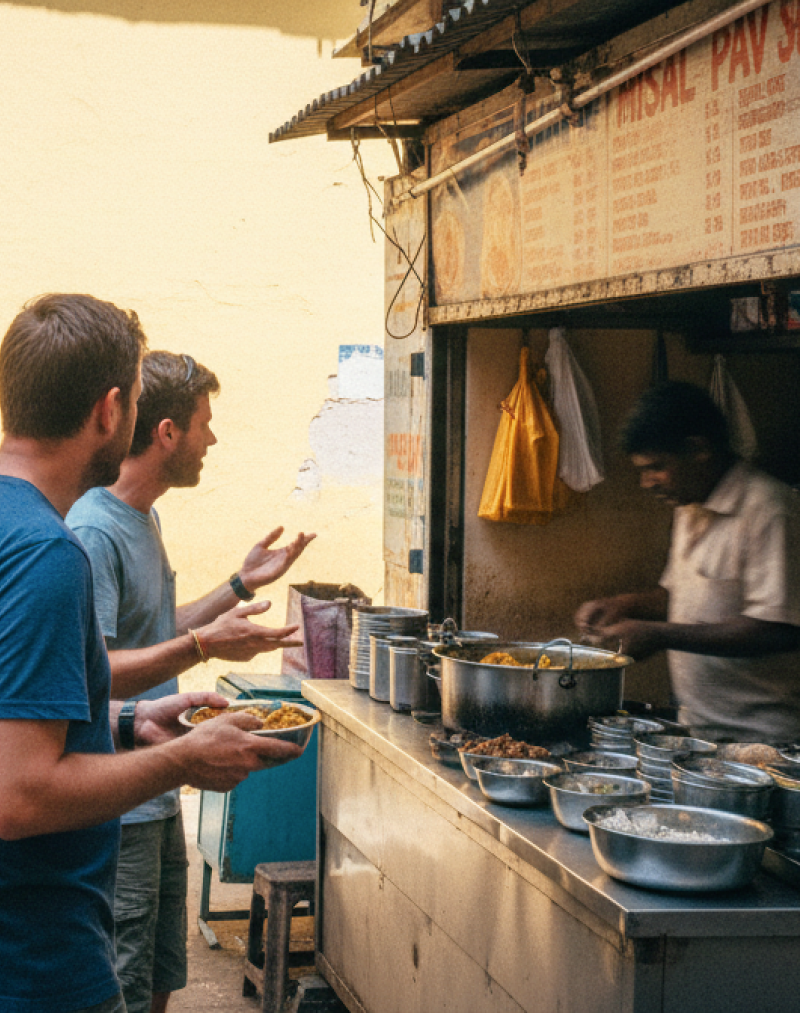
Beach shacks: These are Goa’s soul. Temporary structures on the sand, open October–May, serving fresh seafood, Goan curries, and cold beer. Budget ₹400–800 per person for a full meal with drinks. Nearly all accept UPI now — QR codes taped to the bamboo pillars.
Goan specialties to try: Fish curry rice (the state’s daily staple), prawn balchão (spicy, tangy prawn pickle), chicken xacuti (complex coconut-based curry), pork vindaloo (the original, not the British-Indian version), bebinca (layered coconut cake), and feni (cashew or coconut spirit — an acquired taste).
Fine dining: Gunpowder in Assagao for creative Indian cuisine, Antares at Vagator for sunset seafood, and Bomra’s for Burmese-Goan fusion. ₹2,000–4,000 per person.
Café culture: Assagao and Anjuna have exploded with cafes: Artjuna, The Baba au Rhum, Mojigao. Good coffee, brunch, and all-day menus. ₹300–700 per person.
Getting Around Goa
Scooter/bike rental — The default way to get around, and what most visitors in this Goa travel guide recommend. ₹300–500/day for a scooter, ₹800–1,500 for a Royal Enfield. Goa’s roads are manageable by Indian standards. International driving permit technically required. Helmets are mandatory and fines are enforced. Most rental shops accept UPI.
Uber & Ola — Work in Goa but availability varies, especially in South Goa. More reliable for airport transfers and longer distances. UPI accepted in both apps.
Local taxis — Goa’s taxi union is notoriously expensive compared to app-based rides. Fixed rates, no meters. Airport to North Goa beaches: ₹1,500–2,000. Negotiate before getting in.
Buses — Kadamba Transport Corporation runs cheap buses connecting major towns. Panjim is the main hub. Very cheap (₹20–60) but slow and crowded.
Money & Payments in Goa
Goa is one of the most UPI-friendly tourist destinations in India. Beach shacks, water sports operators, scooter rental shops, restaurants, the Saturday Night Market in Arpora — nearly everything has a QR code.
What works: UPI via Mony (primary), cash (backup for tips, smaller beach vendors, and boat rides), international cards (upscale hotels and restaurants only).
What doesn’t: Apple Pay, Google Pay (needs Indian bank account), Amex.
ATMs: Available in Panjim, Calangute, Anjuna, and Palolem. Can run out of cash during peak season. Don’t rely on them.
Recommendation: Set up Mony before you fly. Load ₹10,000–15,000. Carry ₹2,000–3,000 cash. That covers everything.
For the full payment breakdown, see our guide on how to pay in India as a tourist and what UPI is.
Goa Travel Guide: Practical Tips
Season matters enormously. Goa in December/January is packed and prices peak. October, March, and early November offer great weather with fewer crowds and 30–50% lower prices. Monsoon (June–September) shuts down most beach infrastructure but the landscape turns lush green.
North vs South: First-timers who want a mix of everything should base in North Goa (Anjuna/Vagator area) for 2–3 days, then move to South Goa (Palolem/Agonda) for 2–3 days. It’s like visiting two different destinations.
Safety: Goa is generally the safest tourist destination in India. The main risks are road accidents (drive carefully on a scooter, especially at night), drink spiking at parties (watch your glass), and overcharging by taxi drivers (use apps or agree on price first).
What to pack: Sunscreen (SPF 50+), mosquito repellent (essential), a light rain jacket if shoulder season, reef-safe swimwear, comfortable sandals, and a power bank.
Pay Like a Local in Goa
Goa’s beach shacks, market stalls, and scooter rental shops all run on UPI. With Mony, you pay at the bamboo-counter shack the same way you pay at the boutique restaurant — scan, PIN, done. No fumbling for change while your feet are in the sand.
Download Mony before your flight. Set it up at the airport. When you pull up to your first beach shack, you’re already paying like a local.


Leave a Reply