
Table of Contents
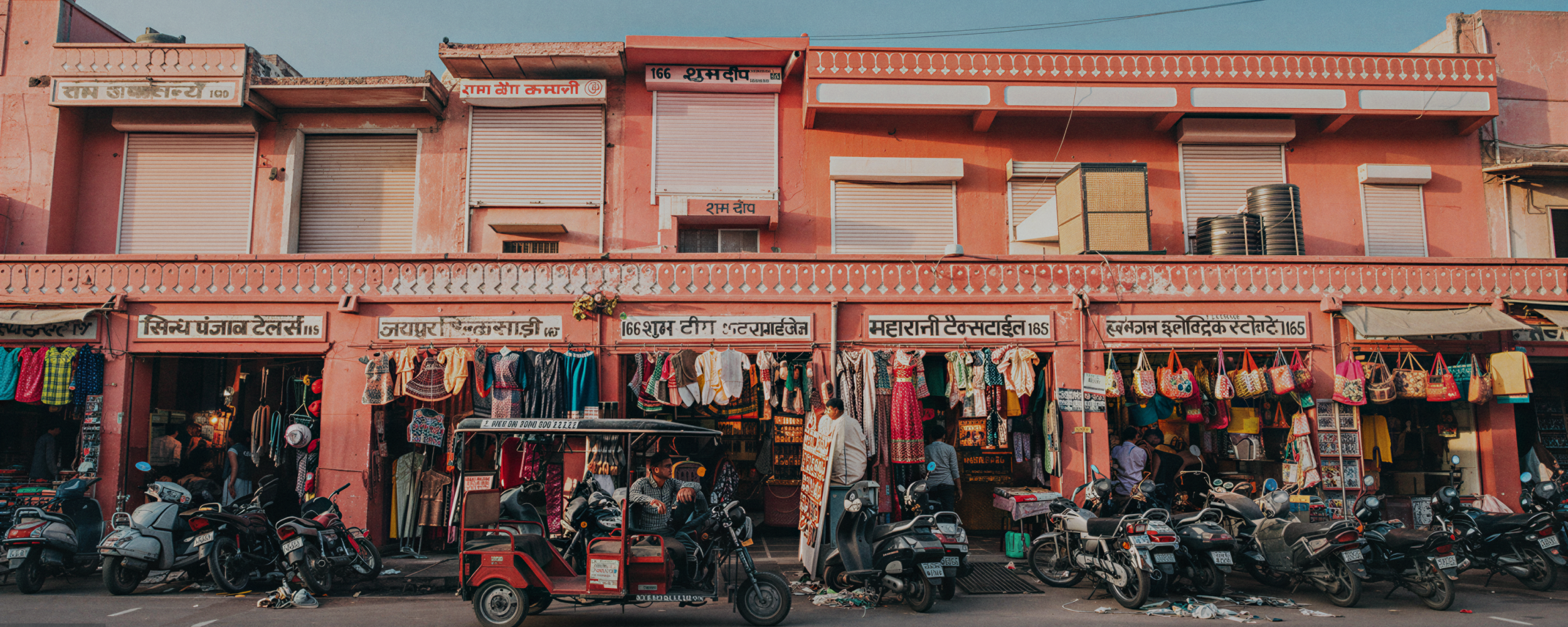
Shopping in Jaipur covers one of the most varied craft and textile landscapes in India. Gemstones and Kundan jewellery in Johari Bazaar, lacquer bangles in Tripolia Bazaar, world-famous blue pottery on Amer Road, handcrafted mojari footwear in Bapu Bazaar, and block-printed textiles from Sanganer and Bagru all sit within reach of the old city. This guide covers the most worthwhile categories with where to buy, what to pay, and how to navigate each area.
Gemstones and Jewellery — Johari Bazaar and Gem Palace
Gemstones and Kundan jewellery are the most internationally recognised category of Shopping in Jaipur. The city is one of the world’s most important gem cutting and trading centres. Gem Palace on MI Road carries celebrated heritage jewellery at premium prices. Johari Bazaar is the more accessible alternative for browsing a wider range at varied price points. Both open from approximately 10:00 AM to 8:00 PM. Furthermore, always ask for a quality certificate when buying real gold or precious stones — reputable shops provide these as standard.
Lacquer Bangles — Maniharon Ka Rasta, Tripolia Bazaar
Lacquer bangles from Maniharon Ka Rasta in Tripolia Bazaar are the most specifically local of the accessories categories on this list. The lane specialises entirely in bangles — glass, lac, and meenakari varieties in every colour. Prices run Rs 50 to Rs 500 per set. Colourful stacks line every shop front and overflow onto the pavement. Arrive in the morning before the afternoon heat builds for the most comfortable browsing experience.
Blue Pottery — Kripal Kumbh, Amer Road
Kripal Kumbh on Amer Road is the most celebrated blue pottery workshop in Jaipur. The workshop produces hand-painted ceramic pieces — bowls, tiles, vases, and decorative plates — using the Persian-influenced glaze technique that local artisans have practised for centuries. Prices run Rs 150 to Rs 3,000. The workshop opens Monday to Saturday from 9:00 AM to 6:00 PM. Additionally, watching artisans paint each piece adds a dimension to the purchase that a market stall cannot provide.
Mojari Footwear — Bapu Bazaar
Bapu Bazaar is the most practical destination for mojari — the handcrafted embroidered leather shoes that are among Rajasthan’s most recognisable exports. Designs for both men and women fill the market in dense, colourful variety. Prices run Rs 250 to Rs 2,000 depending on embroidery complexity and leather quality. The shoes require a short break-in period but suit extended walking once worn in. Moreover, Bapu Bazaar carries dupattas, bandhani fabric, and other Rajasthani textiles alongside the footwear — making it one of the most efficient single stops in the Shopping in Jaipur circuit.
Rajasthani Spices — Old City Spice Market
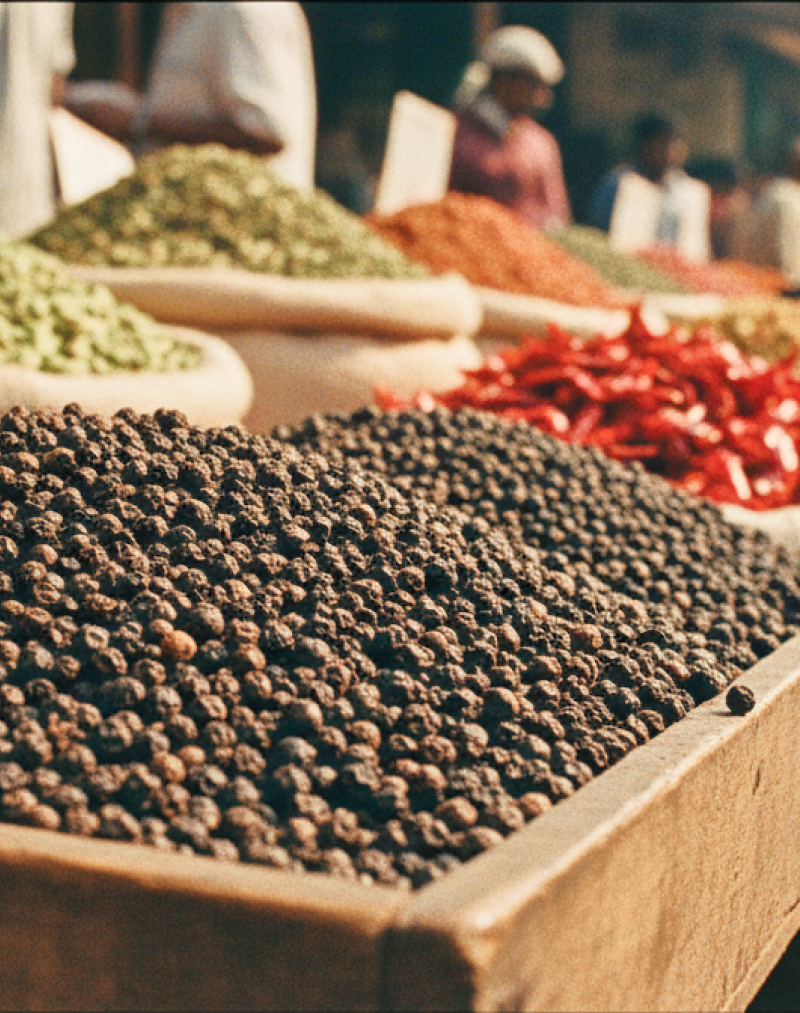
The Old City spice market is the most sensory stop on this list. Whole dried chillies, turmeric, coriander, and regional spice blends fill the stalls in open sacks. A 250-gram pack costs Rs 50 to Rs 200. Mathania dried red chillies — the variety used in laal maas — are the most specifically Rajasthani buy and travel well in sealed bags. Spices make practical, lightweight gifts that carry more cultural specificity than most decorative items in the same markets.
Traditional Puppets — Johari Bazaar and Bapu Bazaar
Rajasthani hand-painted puppets are among the most visually distinctive craft finds on this list. Typically around two feet tall with wooden heads and colourful fabric costumes, they reflect a centuries-old performance art tradition. Johari Bazaar and Bapu Bazaar both carry good selections at Rs 200 to Rs 1,500. Consequently, they suit visitors who want a craft souvenir with genuine cultural weight rather than a mass-produced alternative.
Block-Printed Textiles — Sanganer and Bagru
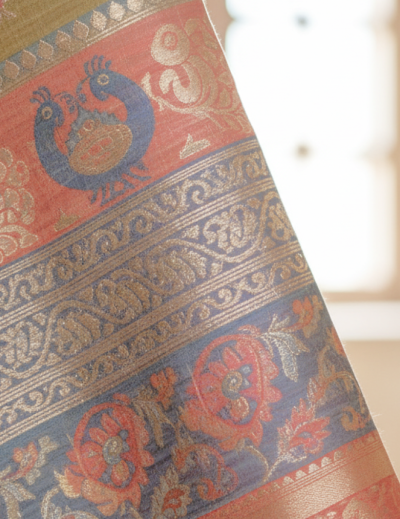
Sanganer and Bagru, two villages on the outskirts of Jaipur, are the most authentic sources for block-printed textiles on this list. Sanganer specialises in fine white-background prints with delicate floral patterns. Bagru, in contrast, produces bolder resist-print designs using natural dyes. Bedspreads, scarves, kurtas, and table linen all appear in both villages at prices considerably lower than in the old city markets — a bedspread costs Rs 600 to Rs 2,000 here versus Rs 1,500 to Rs 4,000 in Johari Bazaar. Both villages are approximately 15 to 30 kilometres from central Jaipur, reachable by cab for Rs 300 to Rs 600 one way.
Paying Your Way Through the Markets
Established jewellery stores and government emporiums accept cards and UPI. Smaller stalls in Bapu Bazaar, Tripolia Bazaar, and the village workshops, however, work primarily in cash or basic UPI. For NRI visitors and international tourists doing Shopping in Jaipur, Mony makes every payment effortless. Specifically, Mony is a travel finance app that lets NRIs and tourists pay like locals using UPI. As a result, there are no foreign card fees and no declined payments at any address on this list.



Leave a Reply