
Table of Contents
Amritsar and the Golden Temple
There are places that photos simply cannot prepare you for. The Golden Temple in Amritsar is one of them. Officially known as Harmandir Sahib, this sacred Sikh shrine sits in the spiritual heart of Punjab. It shimmers over a sacred pool called the Amrit Sarovar. Despite the thousands of pilgrims who pass through daily, the atmosphere is remarkably calm — almost meditative.
Entry is completely free and open to people of all faiths. You’ll need to remove your shoes, cover your head, and wash your feet before entering. Scarves are available at the entrance. The temple is open 24 hours a day. However, the early morning hours — around 4 to 6 AM — are the most magical. That’s when the golden facade reflects on still water under soft light.
The Langar: The World’s Largest Free Kitchen
Right next to the temple is the Langar Hall. It’s a massive community kitchen that serves free vegetarian meals to up to 100,000 people every single day. The menu is simple: dal, sabzi, and chapati. Notably, it runs entirely on volunteer effort. Visitors are warmly welcome to join in — whether kneading dough, washing dishes, or simply sitting cross-legged on the floor eating alongside pilgrims. Meals are free, though donations are appreciated.
The Wagah Border Ceremony
About 30 km from Amritsar, the Wagah Border hosts one of the subcontinent’s most theatrical daily rituals. Every evening at sunset, Indian and Pakistani soldiers perform an elaborate flag-lowering ceremony. Think high kicks, synchronized marching, and a whole lot of nationalist energy from the crowds on both sides. It’s equal parts serious and entertaining.
Entry is free. The ceremony timing shifts with sunset — roughly 5–6 PM in winter and 6:30–7 PM in summer. Arrive at least an hour early to get a decent seat. Additionally, shared taxis from Amritsar’s town center cost around ₹50–100 per person.
Rajasthan: The Land of Kings
If you only have time for one Indian state, many seasoned travelers would argue it should be Rajasthan. It’s a region that rewards slow travel. Palaces, forts, desert landscapes, and bazaars stack one after another across a string of unforgettable towns.
Jaipur: The Pink City
The Amber Fort on the outskirts of Jaipur is arguably the finest example of Rajput architecture in the country. Entry is ₹100 for Indian nationals and ₹500 for foreign visitors. It’s open 8 AM–5:30 PM (day) and 7–9 PM (night). Inside Jaipur, the Hawa Mahal — the iconic pink “Palace of Winds” — is a must-see. Entry is ₹50 for Indians and ₹200 for foreigners. The city is well-connected by metro. In particular, Chandpole and Badi Chaupar stations put you within walking distance of the old city’s main attractions.
Udaipur: City of Lakes
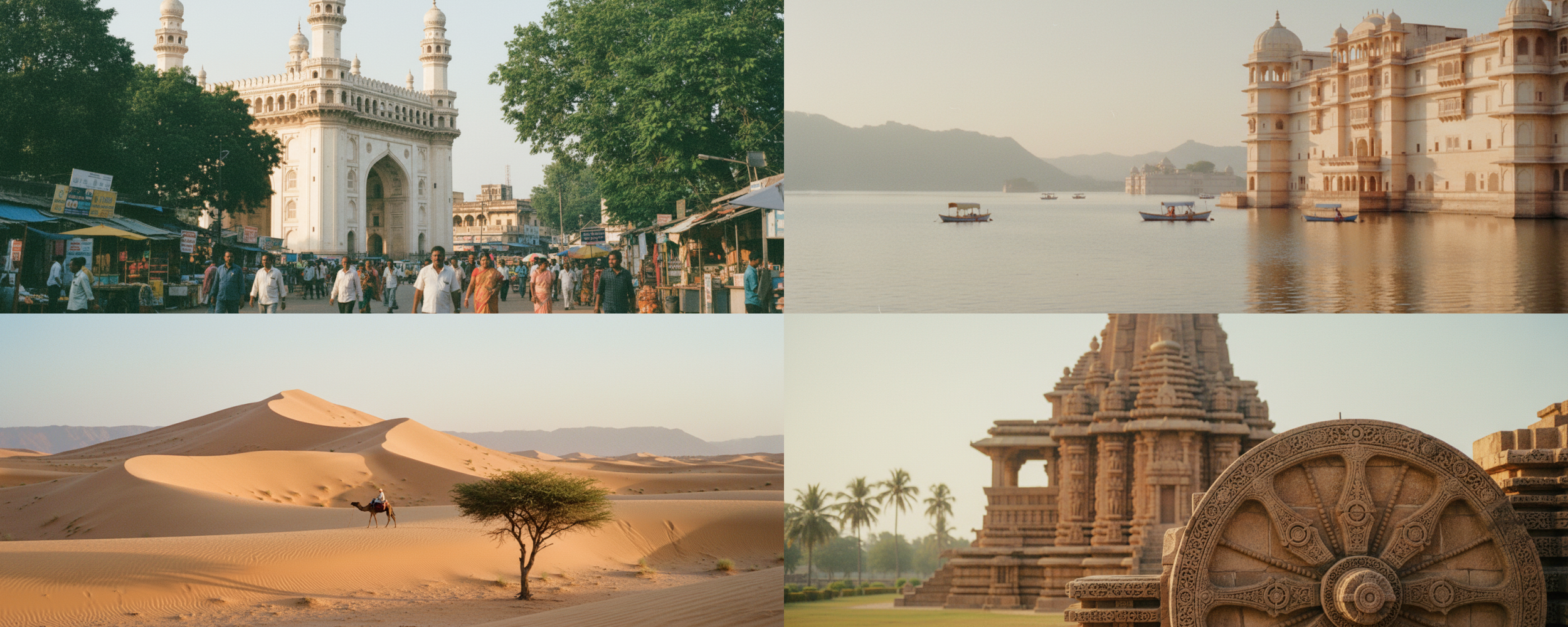
Often called the “City of Lakes,” Udaipur is anchored by the breathtaking City Palace. It spills dramatically down to the banks of Lake Pichola. Entry to the palace museum costs ₹250–400 for Indians and ₹500 for foreigners. Furthermore, a short boat ride on the lake costs around ₹400 per person and gives you sweeping views of the palace from the water.
Jaisalmer and Jodhpur
Jaisalmer Fort rises from the Thar Desert like a sandcastle at golden hour. It’s one of the few living forts in the world, with thousands of people still residing inside. Entry is free to wander; internal museums charge around ₹50–150. In contrast, Mehrangarh Fort in Jodhpur looms high above the famous blue-painted rooftops of the old city. Entry is ₹800 for foreigners and ₹200 for Indians (open 9 AM–5 PM).
Pushkar Camel Fair
If your trip timing allows, the annual Pushkar Camel Fair is one of the most extraordinary events in India. Usually held in November, it draws camel traders, pilgrims, musicians, and tourists to this small desert town for nearly a week. It’s noisy, colorful, and genuinely unlike anything else. Budget accommodation in Pushkar runs from ₹500–1,500 per night during the fair. Book well in advance.
Agra: Home of the Taj Mahal
You’ve seen it in photos a thousand times. Still, standing in front of the Taj Mahal in person is a gut-punch moment. Built between 1632 and 1653 by Emperor Shah Jahan, it served as a mausoleum for his beloved wife Mumtaz Mahal. This UNESCO World Heritage Site is a masterpiece of Mughal architecture — white marble inlaid with semi-precious stones, flanked by four minarets, perfectly symmetrical.
Entry, Timings, and Getting There
Entry costs ₹50 for Indian nationals and ₹1,100 for foreigners. There’s also a ₹200 surcharge to enter the main mausoleum. The complex opens at sunrise and closes 30 minutes before sunset. It’s shut on Fridays. Arriving right at opening — around 6 AM — is the move. You’ll find fewer crowds, softer light, and a far more peaceful experience. The nearest railway station is Agra Cantt. From there, the Shatabdi Express connects to Delhi in about 2 hours, costing ₹700–1,000.
Mumbai: India’s Commercial Powerhouse
Mumbai doesn’t ease you in gently — it just swallows you whole. The city’s energy is relentless, creative, and deeply addictive once you get your bearings.
Colaba and the Waterfront
Start in the Colaba district, where the iconic Gateway of India overlooks the Arabian Sea. Entry is free. Right next to it stands the grand Taj Mahal Palace Hotel — a heritage landmark worth admiring even if you’re not staying there. Walk north along the waterfront and Chhatrapati Shivaji Maharaj Terminus will stop you in your tracks. This UNESCO-listed Victorian Gothic railway station still handles hundreds of trains daily.
Haji Ali, Dhobi Ghat, and Sassoon Dock
The Haji Ali Dargah is a mosque and tomb perched on a tiny islet. It’s connected to the mainland by a narrow causeway that floods at high tide, so check the timings before you visit. Entry is free. Nearby, the Dhobi Ghat is an open-air laundry where thousands of garments are hand-washed daily in rows of concrete wash pens. It’s best viewed from the bridge on Dr. E Moses Road — no entry fee needed. For an early start to the day, the Sassoon Dock fish market is in full swing from around 5–8 AM.
Getting Around Mumbai
Mumbai has a solid suburban railway network and a growing metro system. A single metro ride costs ₹10–50. For shorter hops, the iconic black-and-yellow autorickshaws and metered taxis work well. Expect to pay around ₹200–400 for a cab across central Mumbai.
For seamless payments throughout your Mumbai trip — and across India — Mony is worth setting up before you travel. Whether you’re paying for a boat ride at the Gateway of India or settling a seafood lunch bill at Sassoon Dock, Mony handles fast, secure transactions without the hassle of cash or currency exchange. Top up your account before departure and you’re sorted.
Food in Mumbai
Street food is a religion here. A vada pav — Mumbai‘s unofficial snack, a spiced potato dumpling in a bun — costs just ₹15–30. A proper thali at a local restaurant runs ₹150–250. For seafood, lunch at any mid-range restaurant near Sassoon Dock will set you back ₹400–700.
Tamil Nadu: The Cultural Soul of South India
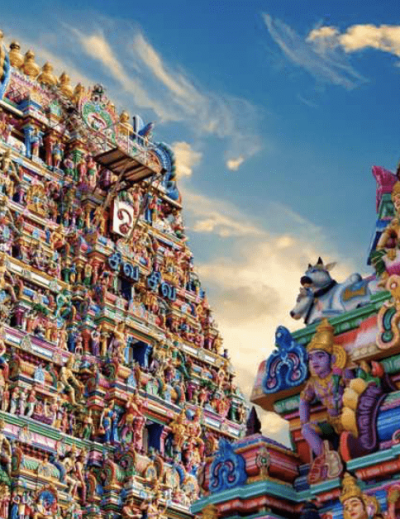
Tamil Nadu is a state that often gets overlooked in favor of the north. That’s a genuine shame. It’s home to some of the most extraordinary temple architecture in the world, a spectacular coastline, and a cuisine that’s entirely its own.
Kanyakumari and Pondicherry
Kanyakumari sits at the very southern tip of India, where the Bay of Bengal, the Arabian Sea, and the Indian Ocean converge. Hindu pilgrims bathe here at dawn. The Kumari Amman Temple on the waterfront is open 4:30 AM–12:30 PM and again 4–8 PM. Entry is free, though certain inner sections charge ₹10–20.
Further up the coast, Pondicherry is a former French colony with tree-lined boulevards, colonial architecture, and a distinct Franco-Tamil character. Walking the French Quarter feels oddly European. It’s also known for the Sri Aurobindo Ashram, which draws spiritual seekers from around the world. Good café meals here run ₹250–500.
Thiruvannamalai and the Coastline
Inland, Thiruvannamalai is a hidden gem built around the massive Arunachaleswarar Temple — one of the largest temple complexes in India. Entry is free. The surrounding farmland offers a rare window into rural Tamil life. Two-thirds of India’s population still live in the countryside, and this region hasn’t been overly touristified.
Tamil Nadu’s coastline stretches for over 1,000 km. Beaches near Chennai and around Rameswaram are particularly scenic. Finally, make sure to eat at local Tamil restaurants. A full banana-leaf meal with rice, sambar, rasam, and curries costs ₹80–200 — and it will completely recalibrate your understanding of Indian food.
Kolkata: India’s Intellectual Capital
Kolkata is one of those cities that rewards curiosity. It’s often bypassed by tourists heading to Rajasthan or Goa. Yet the Bengali capital has a cultural depth — in literature, music, food, and politics — that few Indian cities can match.
Markets and Neighborhoods
Start with the markets. The Malik Ghat Flower Market beneath the Howrah Bridge is a riot of marigolds, roses, and jasmine. It’s best visited between 4 and 8 AM. Entry is free. Meanwhile, in the Kumartuli neighborhood, artisans spend months crafting elaborate clay idols for the annual Durga Puja festival. You can watch them work in their small studios year-round — it’s one of Kolkata’s most authentic experiences.
Temples and Monuments
The Dakshineswar Kali Temple is a 19th-century riverside complex about 20 km north of the city center. It’s stunning in scale and deeply atmospheric. Entry is free; open from early morning to around 9 PM. In addition, the Victoria Memorial is a striking example of British colonial architecture. Entry is ₹30 for Indians and ₹200 for foreigners (open Tuesday–Sunday, 10 AM–5 PM).
Getting Around and Eating in Kolkata
Kolkata’s metro is India’s oldest and a reliable way to navigate the city. Fares start at just ₹5. For food, don’t leave without trying kati rolls (a Kolkata original), mishti doi (sweet yogurt), and a proper Bengali fish curry. A sit-down Bengali meal at a local restaurant runs ₹200–400.
Dharamsala: Little Tibet in the Himalayas
Set in the forested hills of Himachal Pradesh, Dharamsala — and its upper village McLeod Ganj — is the seat of the Tibetan government-in-exile. It’s also home to the Dalai Lama. As a result, it feels unlike anywhere else in India: quieter, cooler, and deeply contemplative.
The Temple Complex and the Kora Walk
The Tsuglagkhang Complex — the main temple compound — is open daily from 5 AM to 8 PM. Entry is free. Walking the traditional kora (circumambulation path) through the surrounding forest is a grounding experience. Monks and pilgrims turn prayer wheels and murmur mantras as they walk. It’s quiet, meditative, and completely accessible to visitors.
The Norbulingka Institute and Dalai Lama Teachings
The Norbulingka Institute is a cultural center about 5 km from McLeod Ganj. Here, Tibetan artists create traditional thangka paintings, sculptures, and textiles. Entry to the gardens is free; the museum costs ₹30. Moreover, if the Dalai Lama is giving public teachings during your visit — usually announced on the official website a week or two in advance — try to attend. Thousands of monks and pilgrims gather, and the experience is quietly profound.
Food in McLeod Ganj is heavily Tibetan-influenced. A plate of steamed momo dumplings (8–10 pieces) costs ₹80–120. Freshly made thukpa noodle soup runs about ₹100–150.
Hyderabad: Old Bazaars and New Tech
Hyderabad lives a double life. Arrive in HITEC City and you’ll find gleaming glass towers housing some of the world’s largest tech companies. It’s the second-largest IT hub in India after Bengaluru. Drive 20 minutes into the old city, however, and you could be in a different century entirely.
The Charminar and the Bazaars
The Charminar is a 16th-century mosque and monument at the heart of the old Muslim quarter. It’s the defining image of the city. Entry is ₹25 for Indians and ₹300 for foreigners (open 9:30 AM–5:30 PM, closed Fridays for prayer). The bazaars surrounding it are equally compelling — Laad Bazaar for bangles, Patherghatti for pearls, and Chowk Bazaar for fabrics. They’re dense, chaotic, and wonderful to get lost in.
Food and Transport
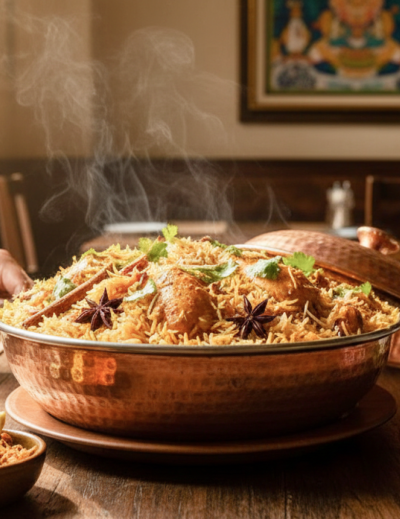
Hyderabad is famous for its biryani — and this is not a place to skip lunch. A proper dum biryani at a local restaurant costs ₹180–350. As for getting around, the city’s metro covers most major areas, with single-journey fares starting at ₹10.
Delhi: The Nation’s Capital
Delhi is a lot to take in. It’s ancient and ultramodern, serene and manic, all at once. As both a city and a destination, it demands at least three or four days to do it justice.
Old Delhi: Forts, Mosques, and Markets
Old Delhi is where the historical density hits hardest. The Red Fort, built in 1638 by Mughal Emperor Shah Jahan, is open Tuesday–Sunday from 9:30 AM to 4:30 PM. Entry is ₹35 for Indians and ₹500 for foreigners. A 10-minute walk away, the Jama Masjid towers over the old city as India’s largest mosque. Entry is free, though a camera fee of ₹300 applies. Dress modestly and cover your head.
New Delhi: Tombs, Boulevards, and Breakfast
In New Delhi, Humayun’s Tomb is arguably the most underrated monument in the city. This garden tomb predates and directly inspired the Taj Mahal. Entry is ₹35 for Indians and ₹550 for foreigners (open sunrise to sunset). The wide, tree-lined boulevards of Lutyens’ Delhi feel like a completely different city from the lanes of Chandni Chowk.
Delhi’s metro is excellent — clean, punctual, and extensive. Single fares range from ₹10–60. A day pass costs ₹150 and is well worth it if you’re covering multiple areas. For food, street breakfast in Chandni Chowk — parathas, chole bhature, or jalebis — costs ₹50–150. It’s one of the great pleasures of Indian travel.
Odisha: Temples, Coastlines, and Sand Art
Odisha doesn’t get the attention it deserves, which is part of its charm. This eastern coastal state has some of India’s most remarkable temples, a genuinely warm local culture, and a coastline stretching along the Bay of Bengal.
Puri: Beaches and the Jagannath Temple
In Puri, the Jagannath Temple is one of the holiest sites in Hinduism. Note that entry is restricted to Hindus only. The town’s beach comes alive in the evenings with vendors, local families, and street food stalls. Every year around November or December, the beach also hosts a sand art festival where international sculptors create astonishing works from nothing but sand and water. Entry is free.
Bhubaneswar and the Lingaraj Temple
In nearby Bhubaneswar, the Lingaraj Temple is an 11th-century Shiva temple and one of the finest examples of Kalinga architecture. Entry is for Hindus only. That said, non-Hindus can view it from a designated platform nearby.
The Sun Temple at Konark
The crown jewel of Odisha is the Sun Temple at Konark, about 65 km from Puri. Built in the 13th century in the form of a colossal chariot, its stone wheels, pillars, and walls are covered in some of the most intricate carvings in India. Entry is ₹40 for Indians and ₹600 for foreigners (open sunrise to sunset). Every December, the temple grounds host the Konark Dance Festival — a five-day celebration of Indian classical dance performed against the backdrop of this ancient monument. If your timing aligns, it’s an extraordinary experience.
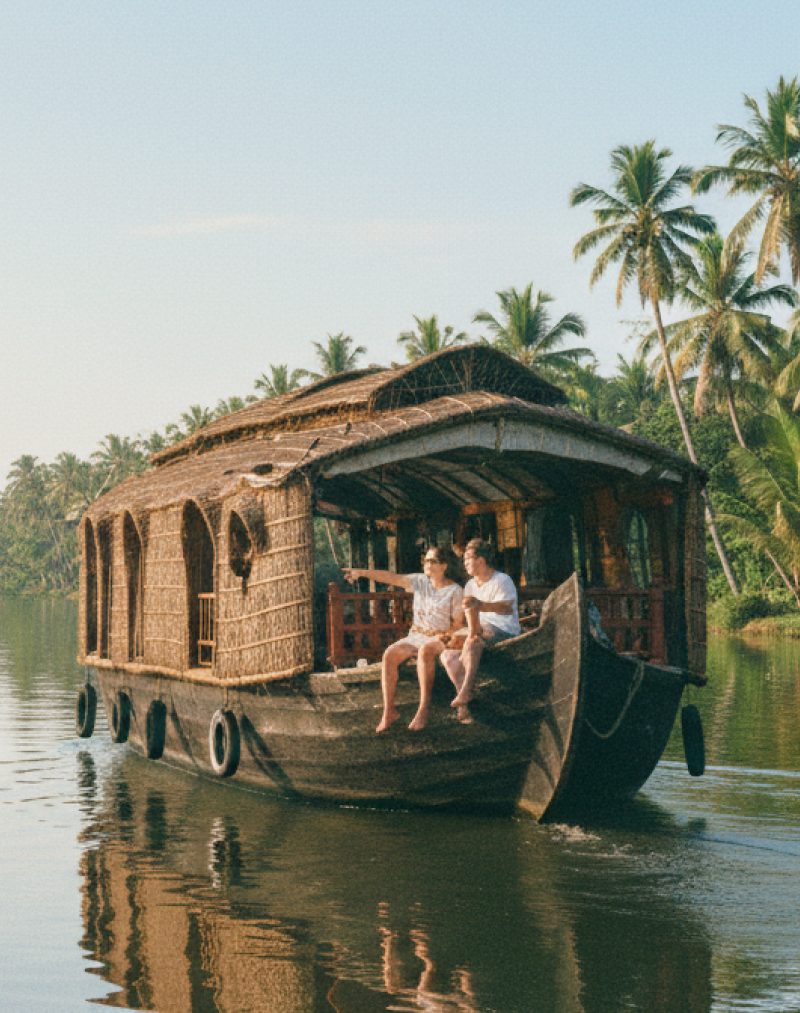
India is one of those places that gives generously the more you invest in it. Ten destinations only begins to scratch the surface. Kashmir, Varanasi, Kerala’s backwaters, and the northeast states could each fill their own guides. But whether you’re stepping off a plane for the first time or returning for another chapter, the country has a way of surprising you at every turn.
Leave a Reply