
Why India Is a Goldmine for Adventure Travellers
There’s a certain kind of restlessness that builds up when you’ve been cooped up for too long. The kind that isn’t fixed by a weekend staycation or another binge-watch session. What it actually needs is a proper jolt — the kind you get at 83 metres above a riverbed, or riding the first wave you’ve ever caught, or watching the sun melt behind the Thar Desert from atop a camel. The good news? You don’t need a passport for any of it. India’s best adventure destinations are right here, wildly diverse, and waiting to be explored.
Here are 12 destinations worth throwing your weekend — or your entire leave balance — at.
Manali, Himachal Pradesh
Manali is the kind of place that hooks you on the first visit and never quite lets go. Nestled in the Beas River Valley at about 2,050 metres, it’s one of the most versatile adventure destinations in India — whether you’re a first-timer or a repeat offender.
What You Can Do Here
- Trekking: Solang Valley and Rohtang Pass are the big draws. Rohtang requires a permit (Rs. 500 for private vehicles, booked online via the Himachal Pradesh portal).
- Paragliding: Solang Valley is the hotspot. Expect to pay Rs. 1,500-2,500 for a tandem flight depending on the season.
- White water rafting: Beas River offers Grade II-IV rapids. Rafting packages typically run Rs. 600-1,200 per person.
- Biking expeditions: The Manali-Leh highway is legendary. Rental bikes go for Rs. 800-1,500/day; full guided biking tours cost Rs. 15,000-40,000+.
- Skiing & mountaineering: Mostly accessible November through January.
Getting There
The nearest airport is Bhuntar (Kullu-Manali Airport), about 50 km away. Taxis from the airport run Rs. 800-1,200. Alternatively, HRTC Volvo buses from Delhi to Manali cost Rs. 1,200-1,800 and take 13-15 hours.
Food & Stay
Dine at Johnson’s Cafe (open 1:00 PM-11:00 PM daily; mains Rs. 400-900) or pick up momos from the Mall Road stalls (Rs. 60-120 a plate). Budget guesthouses start at Rs. 600/night; mid-range hotels run Rs. 2,000-5,000.
Auli, Uttarakhand
If you’ve ever wanted to learn how to ski without flying to Switzerland, Auli is your answer. Sitting between 2,500 and 3,050 metres in the Garhwal Himalayas, it has a 3 km long slope and arguably the best skiing infrastructure in the country.
What You Can Do Here
- Skiing: GMVN (Garhwal Mandal Vikas Nigam) runs 7-day and 14-day residential skiing courses. Fees typically range from Rs. 8,000-15,000 all-inclusive depending on the package and season.
- Cable car (gondola): Open 9:00 AM-5:00 PM daily. One of Asia’s longest at 4 km — tickets cost around Rs. 1,000 return.
- Trekking: Routes through Khwari Pass and Gorso Valley are underrated and gorgeous. Hiring a local guide (Rs. 800-1,500/day) is recommended off-season.
Getting There
Nearest railhead is Haridwar or Rishikesh, then take a shared taxi or bus to Joshimath (Rs. 400-600), followed by a cable car or 16 km road to Auli. Alternatively, fly into Jolly Grant Airport, Dehradun, and hire a cab (around Rs. 2,500-3,500 to Joshimath).
Food & Stay
GMVN runs a resort in Auli with rooms from Rs. 2,500/night. Hot meals (dal, rice, roti) at local dhabas cost Rs. 150-300. Pack snacks — options thin out at higher altitudes.
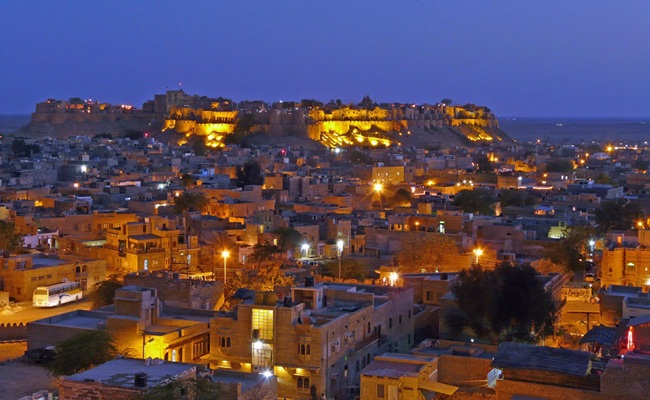
Jaisalmer & Bikaner, Rajasthan
Rajasthan is everyone’s first thought for palaces and puppet shows — fair enough. But for adventure? Jaisalmer and Bikaner quietly deliver one of India’s most unique adrenaline experiences: the Thar Desert.
What You Can Do Here
- Camel safaris: Overnight desert camps with camel rides cost Rs. 2,500-6,000 per person, including dinner and breakfast.
- Dune bashing: 4×4 off-road experiences across the Sam Sand Dunes. Budget Rs. 1,500-2,500 per vehicle.
- Jeep safaris: Rs. 800-1,500 per person for a half-day circuit.
- Desert camping: Luxury camps around Sam Dunes run Rs. 6,000-15,000/night. Budget tents available from Rs. 1,500.
Getting There
Jaisalmer has its own railway station with trains from Delhi (Jaisalmer Express, ~18 hours, Rs. 600-2,500 depending on class). Jaisalmer Airport has limited but growing connectivity. Bikaner is well-connected by rail from Jaipur and Delhi.
Food & Stay
Try dal baati churma at a local restaurant (Rs. 200-400). The desert nights are cold — pack layers even in October.
Rishikesh, Uttarakhand
Rishikesh isn’t just for yoga retreats and seekers of enlightenment (though it does that brilliantly too). It’s also India’s adventure sports capital — and the mix of spiritual calm and sheer physical thrill is weirdly addictive.
What You Can Do Here
- White water rafting on the Ganga: Grade II-IV rapids from Shivpuri or Marine Drive. Half-day packages Rs. 600-1,500; full-day Rs. 1,500-3,000.
- Bungee jumping: At Jumpin Heights, 83 metres — the highest in India. Open 9:30 AM-4:30 PM daily. Costs Rs. 3,550 per jump. Book in advance.
- Zip lining & flying fox: Rs. 1,000-2,000 per person.
- Rock and cliff climbing: Half-day sessions with equipment around Rs. 800-1,500.
- Trekking: Trails to Kunjapuri Temple, Neer Garh Waterfall, and beyond.
- Survival camps: Multi-day forest camps running Rs. 5,000-12,000.
Getting There
Nearest airport: Jolly Grant Airport, Dehradun (35 km). Taxis cost Rs. 700-1,000. From Delhi, trains to Haridwar (Rs. 300-1,500) then shared autos/buses to Rishikesh (Rs. 50-100). Volvo buses from Delhi also run directly (Rs. 500-800).
Food & Stay
There are plenty of cafes and guesthouses near Laxman Jhula — budget Rs. 200-400 per meal. Hostels and guesthouses from Rs. 400/night; riverside camps start at Rs. 1,500.
Kovalam, Kerala
There’s a reason Kovalam has been pulling travellers from across the world for decades. The crescent-shaped beaches, warm waters, and strong swells make it one of the best surfing spots in South India.
What You Can Do Here
- Surfing: Kovalam has proper surf schools now. Lessons for beginners start at Rs. 1,000-1,500 per session (board and instructor included). The Kovalam Surf Club is open daily 8:00 AM-5:00 PM and is worth checking out.
- Other water sports: Jet skiing (Rs. 500-700 for 10 minutes), kayaking (Rs. 300-600/hour), snorkelling packages (Rs. 800-1,500).
- Parasailing: Rs. 1,500-2,500 per person.
The waves at Lighthouse Beach are the most consistent. Peak surf season is generally April-May and October-November.
Getting There
Nearest airport: Trivandrum International Airport, 15 km from Kovalam. Taxis run Rs. 400-600. Auto-rickshaws from Trivandrum city: Rs. 200-350.
Food & Stay
Fresh seafood thalis at beachside restaurants cost Rs. 250-500. The stretch near Lighthouse Beach has plenty of budget guesthouses (Rs. 800-1,500/night) and boutique stays (Rs. 3,000-8,000).
Ladakh, Jammu & Kashmir
Leh, Ladakh operates at a different altitude, literally and figuratively. At over 3,500 metres above sea level, with landscapes that look borrowed from another planet, it’s the kind of place that recalibrates your sense of what’s possible.
What You Can Do Here
- Chadar Trek: The legendary frozen river trek in January-February. Expect to pay Rs. 15,000-25,000 for guided packages including permits, meals, and gear.
- Rafting in Zanskar Valley: Grade III-IV rapids. Full-day tours around Rs. 2,500-4,000 per person.
- Khardung La biking: One of the world’s highest motorable roads at 5,359 metres. Guided biking tours (Manali to Leh) start at Rs. 30,000.
- Mountaineering: Requires permits from the Indian Mountaineering Foundation. Plan well in advance.
- Wildlife safaris: Hemis National Park is home to snow leopards. Entry permits cost Rs. 200-500.
Inner Line Permit (ILP): Required for areas like Pangong Tso and Nubra Valley. Cost: Rs. 200-400 per area. Obtain online via the Ladakh tourism portal or at the DC office in Leh.
Getting There
Leh Airport has flights from Delhi (Rs. 5,000-15,000 return depending on season — book early). Alternatively, the Manali-Leh highway (open May-October) can be done by shared taxi or bus (Rs. 600-1,200 from Manali, 2 days).
Acclimatise for at least 48 hours upon arrival. Altitude sickness is real — carry diamox and consult your doctor beforehand.
Food & Stay
Local dhabas in Leh serve thukpa and momos for Rs. 150-300. Mid-range guesthouses: Rs. 1,500-3,500/night. Camping packages in Nubra or Pangong: Rs. 3,000-8,000/night including meals.
A Few More Destinations Worth Your Attention
India’s adventure offerings don’t stop at six. Here are some other standout adventure destinations in India that deserve a place on your radar:
Spiti Valley, Himachal Pradesh
High-altitude desert with some of the most dramatic trekking routes in the country. Key trails include Pin Valley and Hampta Pass. Best visited June-September. Inner Line Permit required (Rs. 200 approx.).
Andaman Islands
Go beyond the beaches. Havelock Island (Swaraj Dweep) offers certified scuba diving (Rs. 3,000-5,000 per dive), sea kayaking, and snorkelling at some of India’s richest reef systems.
Coorg, Karnataka
Coorg (Madikeri) is all misty coffee estates and river valleys. White water rafting on the Barapole River (Rs. 700-1,200), trekking to Tadiandamol Peak, and off-roading are the main draws.
Chopta, Uttarakhand
Called the “Mini Switzerland of India,” Chopta is the base for the Tungnath-Chandrashila trek — one of the finest winter treks in the Himalayas. Entry is free; a guide is recommended (Rs. 800-1,200/day).
Dandeli, Karnataka
A river adventure hub. Dandeli is known for rafting on the Kali River (Rs. 500-900), kayaking, and jungle treks through the Dandeli Wildlife Sanctuary.
Bir Billing, Himachal Pradesh
The paragliding capital of India and one of the top paragliding sites in the world. Paragliding in Bir Billing tandem flights cost Rs. 2,500-3,500 from the billing take-off site. Open daily 6:00 AM-6:00 PM. Best season: March-June and September-November.
Tips Before You Head Out
- Book permits early: Many treks and adventure zones require permits that fill up fast, especially during peak season.
- Travel insurance: Not optional if you’re doing anything above Grade II or above 3,000 metres.
- Local guides: Worth every rupee for unfamiliar terrain — they know the trails, the weather patterns, and where to eat.
- Seasons matter: Most Himalayan destinations are best May-October; desert adventures in Rajasthan are ideal October-February; beaches and water sports in Kerala peak November-March.
- Sort your payments before you go: Mony is built for exactly this kind of travel. Whether you’re paying for a rafting package in Rishikesh, settling a camp bill in Ladakh, or booking a last-minute trek permit in Uttarakhand, Mony handles fast, secure transactions without the usual friction. Top up before your trip and you won’t need to hunt for an ATM in the middle of nowhere.
The adventures in this list aren’t Instagram content to collect. They’re the kind of experiences that genuinely shift something in you. Whether it’s your first bungee jump or your fifth Himalayan trek, India keeps finding new ways to surprise — and that, really, is the whole point.
Leave a Reply