
Table of Contents
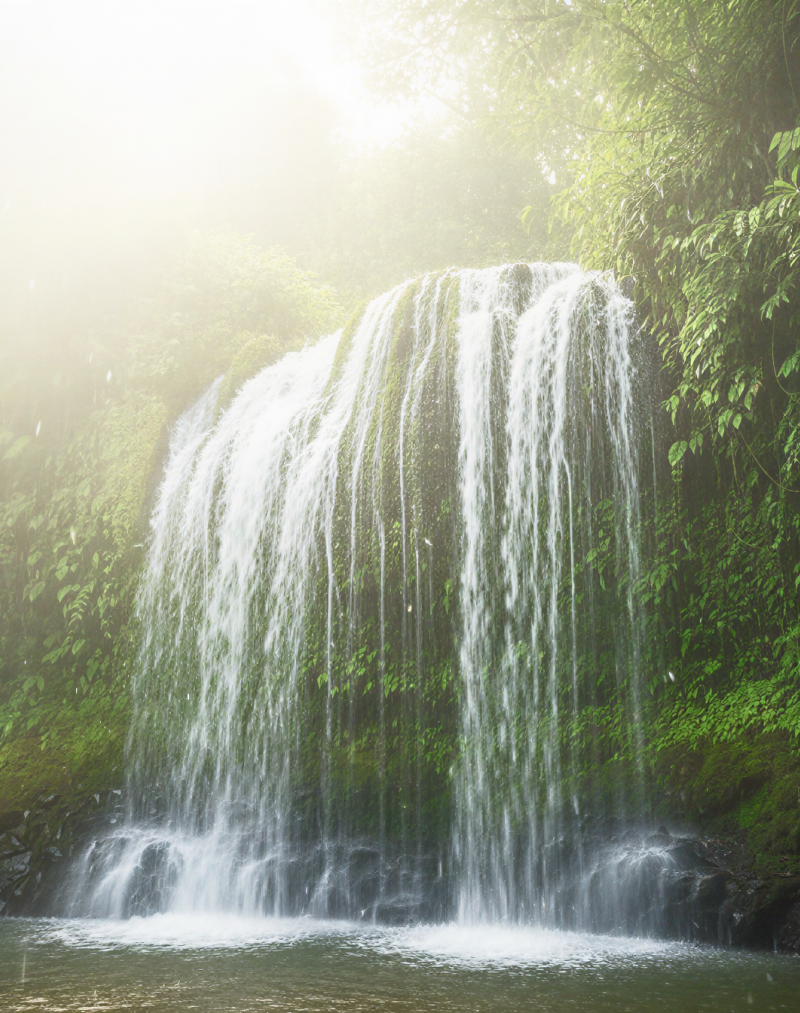
India transforms during the monsoon. Waterfalls that barely existed in April become thundering cascades by July. Hills turn impossibly green. The air smells different — earthy, alive, like the whole country just exhaled. If you’ve been waiting for the right time to explore the subcontinent beyond the tourist-season rush, this is it. Here are the best places to visit in India during monsoon, complete with practical info to help you plan without the guesswork.
Alleppey, Kerala — Backwaters in the Rain
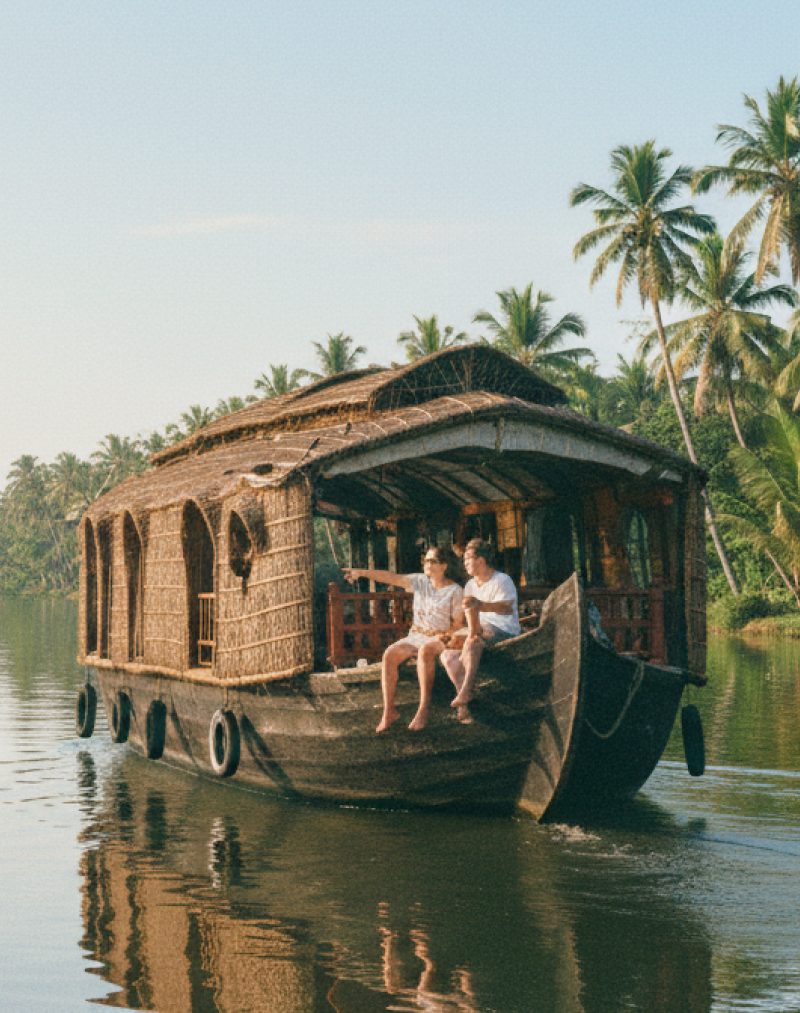
Alleppey (Alappuzha) is one of those places that genuinely earns the word “magical” during the monsoon. The backwaters swell, the rice paddies go vivid green, and the whole landscape becomes a slow-moving watercolour painting. A houseboat cruise here is one of the most iconic experiences India has to offer — and honestly, it’s even more atmospheric in the rain than in peak winter season.
Getting there: The nearest major airport is Cochin International Airport, about 85 km away. From Alleppey Railway Station you can take an auto-rickshaw or taxi to the boat jetty for around ₹80–150.
Houseboat costs: Expect to pay anywhere from ₹8,000–₹20,000 per night for a two-bedroom houseboat, depending on the season and inclusions. Meals are usually included.
Tip: Book in advance even in monsoon — it’s growing in popularity year-round. Some operators offer day cruises from around ₹1,500 per person if an overnight stay isn’t in your budget.
Mahabaleshwar, Maharashtra — Strawberries and Waterfalls
Mahabaleshwar sits at around 1,370 metres above sea level, and when the monsoon rolls in, the viewpoints — particularly Wilson Point — become wreathed in low cloud and mist. The waterfalls around town, including Lingmala Falls, are at their most dramatic from June through September.
Getting there: About 120 km from Pune, well-connected by bus and private taxis. A cab from Pune costs around ₹1,500–₹2,000 one-way.
Entry fees: Lingmala Falls — ₹35 for adults, ₹20 for children. Wilson Point — nominal fee of ₹10–₹20.
Food: Mahabaleshwar’s famous corn on the cob (bhutta) stalls are everywhere and cost ₹30–₹60. Fresh strawberry cream from roadside stalls goes for ₹80–₹150 during the season.
Tip: Many viewpoints close temporarily if conditions get dangerous — always check locally before heading out.
Wayanad, Kerala — Hills, Forests, and Silence
Wayanad doesn’t shout for attention. It’s the kind of place that works on you slowly — through the sound of rain on a jungle canopy, the sight of mist rolling over the Chembra Peak trail, or the cool morning air at Soochipara Falls. It’s one of the most underrated monsoon destinations in India, and arguably better in the rain than at any other time.
Getting there: The nearest airport is Calicut (Kozhikode) International Airport, about 90 km away. Buses from Kozhikode to Kalpetta (Wayanad’s main town) are frequent and cost around ₹80–₹120.
Entry fees: Soochipara Falls — ₹30 per person. Trekking permits for Chembra Peak — ₹200 per person (guides are mandatory and cost around ₹500–₹800 per group).
Accommodation: Budget guesthouses in Kalpetta start around ₹800–₹1,200/night; eco-resorts in the hills range from ₹3,000–₹8,000/night.
Cherrapunji, Meghalaya — The Wettest Place on Earth
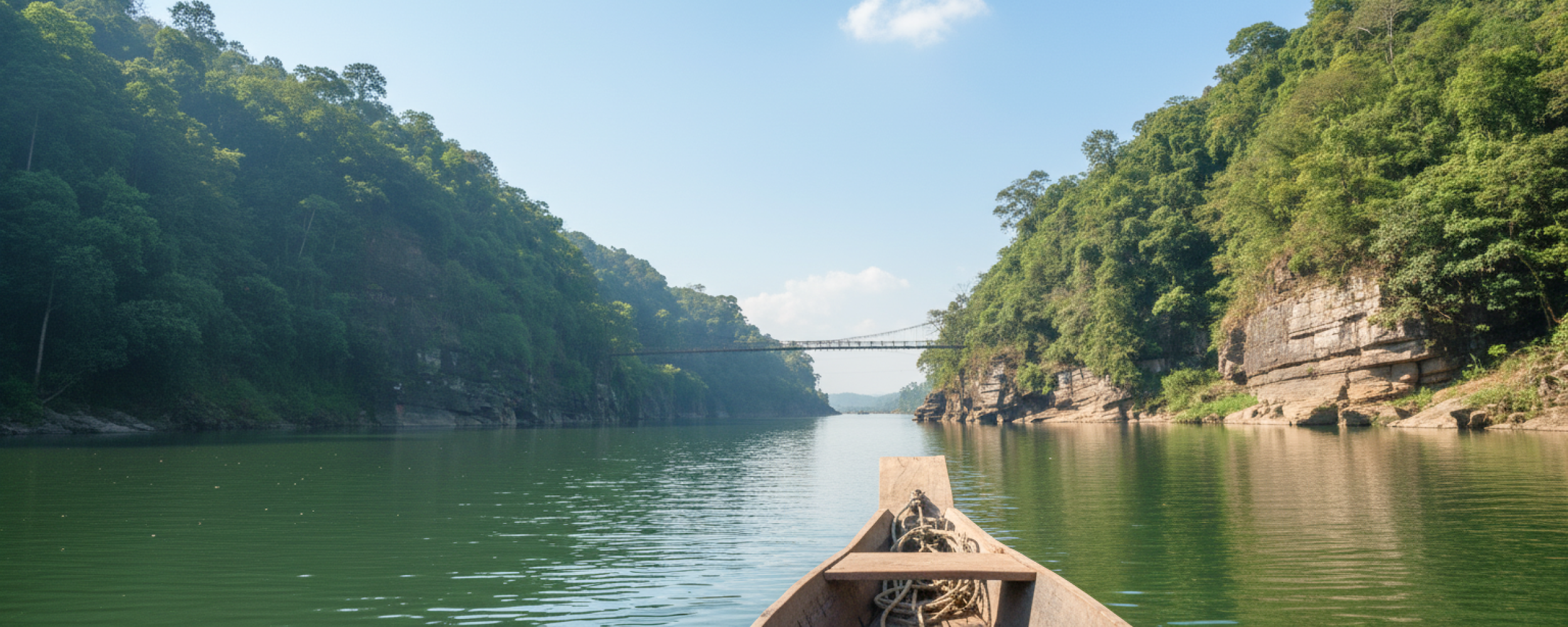
If you want to feel what “monsoon” really means, go to Cherrapunji (Sohra) in Meghalaya. This is one of the highest rainfall zones on the planet — and that extreme moisture is responsible for the extraordinary Double Decker Living Root Bridge, a genuinely ancient piece of organic engineering made from the roots of rubber trees trained over centuries to cross rivers. It’s a 3,000-step trek each way, so be prepared.
Waterfalls here are not an attraction — they’re the landscape. Nohkalikai Falls, the tallest in India, and Seven Sisters Falls are both best seen at full flow during the monsoon.
Getting there: Cherrapunji is about 55 km from Shillong. Shared taxis from Shillong’s Police Bazaar cost ₹150–₹200 per seat; private cabs run ₹800–₹1,200.
Entry fees: Double Decker Root Bridge trek — ₹40 per person (village entry fee). Nohkalikai Falls viewpoint — ₹20.
Tip: The trek to the root bridge takes 2–3 hours each way and is slippery in the rain. Proper footwear is non-negotiable.
Valley of Flowers, Uttarakhand — A UNESCO Trek Worth Every Step
Valley of Flowers National Park is only accessible during the monsoon and post-monsoon window (roughly June to October), which is exactly when hundreds of Himalayan wildflower species bloom in a high-altitude meadow so vivid it looks like it’s been colour-corrected. It’s a UNESCO World Heritage Site for good reason, and while the trek requires effort, it’s accessible to reasonably fit people without technical mountaineering experience.
Getting there: The base town is Govindghat, reached via Joshimath or Rishikesh. From Govindghat, it’s a 13 km trek to Ghangaria (the last village), then another 3–4 km into the valley itself. Many trekkers hire mules for the Govindghat-to-Ghangaria stretch for around ₹800–₹1,000.
Entry fees: ₹150 per person per day for Indian nationals; ₹600 per person per day for foreign nationals. There’s also a separate fee for Hemkund Sahib if you plan to extend the trek.
Tip: The valley is often closed for a few days mid-season due to landslides or weather — check the forest department website before finalising dates.
Udaipur, Rajasthan — Palaces Reflected in Monsoon Rain
Rajasthan in monsoon is a surprise to most visitors who associate it purely with dry desert landscapes. Udaipur — the City of Lakes — is genuinely transformed. Lake Pichola fills up, the Aravalli hills go green behind the white palaces, and the whole city takes on a softer, more romantic quality than it ever has in the dry season. Boat rides on Lake Pichola are ₹400 per person for the public ferry; private boats cost more.
Getting there: Udaipur has its own airport with connections to Delhi, Mumbai, and other cities. The railway station is well-connected to Delhi and Mumbai.
Entry fees: City Palace Udaipur — ₹300 for Indian nationals, ₹700 for foreigners. Sajjangarh Monsoon Palace — ₹10 entry to the wildlife sanctuary, viewing area free.
Food: Street food near Jagdish Temple Udaipur — dal baati churma sets from ₹100–₹180. Rooftop cafes along Lake Pichola charge ₹300–₹600 for a main course but the views are worth the premium.
Lonavala and Khandala, Maharashtra — Easy Escapes from the City
If you’re based in Mumbai or Pune and need a weekend reset, Lonavala and Khandala are the answer. The Sahyadri ranges here are criss-crossed with waterfalls during the monsoon, and the cooler temperatures make it genuinely comfortable to be outdoors.
Getting there: Both are on the Mumbai–Pune railway line. A train from Mumbai CST to Lonavala takes about 2–2.5 hours and costs ₹60–₹250 depending on class. From Pune, it’s about 1 hour.
Popular spots: Bhushi Dam (free entry, gets very crowded on weekends), Tiger’s Leap viewpoint (free), Rajmachi Fort trek (free, about 15 km return).
Chikki (local fudge): A box of good chikki from shops on the main street costs ₹80–₹200 — it’s practically obligatory.
Tip: Avoid weekends if you can — both towns get overwhelmed with day-trippers from Mumbai and Pune.
Shillong, Meghalaya — Cloud-Covered and Cool
Shillong is the kind of hill station that has a distinct personality — partly colonial architecture, partly indie music scene, partly extraordinary natural surroundings. During the monsoon, Elephant Falls — a three-tiered cascade right on the edge of town — is particularly striking, and the drive up through the hills from Guwahati is dramatic at any time of year.
Getting there: The nearest major airport is Lokpriya Gopinath Bordoloi International Airport in Guwahati, about 100 km away. Shared taxis from Guwahati to Shillong cost ₹200–₹300 per seat; private cabs run ₹1,500–₹2,000.
Entry fees: Elephant Falls — ₹20 per person. Ward’s Lake Shillong — ₹10 entry, paddle boating ₹50 for 30 minutes.
Food: Try the local Khasi cuisine — jadoh (rice with pork) at local dhabas costs ₹100–₹150. A cup of local ginger tea on a rainy afternoon will set you back ₹20.
Coorg, Karnataka — Coffee Country in the Clouds
Coorg (Kodagu) earns its reputation as the Scotland of India during monsoon season — low clouds, persistent drizzle, and coffee estates stretching across every hillside. Abbey Falls and Iruppu Falls are spectacular at this time of year, and plantation stays offer one of the better accommodation experiences you can have in the Western Ghats.
Getting there: The nearest airport is Mangalore International Airport, about 135 km away. From Mysuru (90 km), frequent buses run to Madikeri (Coorg’s main town) for ₹100–₹180.
Entry fees: Abbey Falls — ₹20 per person. Namdroling Monastery Bylakuppe (Golden Temple) — free entry.
Accommodation: Plantation homestays range from ₹2,500–₹6,000/night with breakfast and dinner included — some of the best value stays in India.
Munnar, Kerala — Tea Gardens in the Mist
Munnar during monsoon is all low cloud and green. The tea estates take on a particularly rich colour, and the waterfalls around the area — especially Attukad Falls and Lakkam Waterfall — run at full volume. It’s a sensory experience that’s hard to replicate anywhere else.
Getting there: About 130 km from Cochin International Airport. Buses run from Ernakulam (Kochi) to Munnar for ₹120–₹180; taxis cost around ₹2,500–₹3,000.
Entry fees: Eravikulam National Park — ₹125 for Indian nationals; note it is often closed during the core monsoon months (May–June) for calving season. Top Station Munnar viewpoint — free.
Tea: A bag of good Munnar tea from the KDHP Tea Museum shop costs ₹120–₹300.
Best Time to Go to Meghalaya
If Meghalaya specifically is on your list, the monsoon window of June to September is peak waterfall season — but also peak rain, which means some roads can become challenging. September and October offer a sweet spot: the landscape is still lush and green, the falls are still impressive, but the intensity of the rainfall has eased. For the root bridges and trekking around Cherrapunji, this window tends to work better than the full monsoon peak.
Travel Smart with Mony
When you’re trekking to waterfalls or hopping between hill stations, the last thing you want is to worry about cash. Many of India’s monsoon destinations are in remote areas where ATMs are scarce and card acceptance is inconsistent — which makes having a reliable payment option genuinely important.
Mony is built for exactly this kind of travel. Whether you’re paying for a houseboat in Alleppey, settling a homestay bill in Coorg, or booking a last-minute trek permit in Uttarakhand, Mony handles fast, secure transactions without the usual friction. Top up before your trip and you won’t need to hunt for an ATM in the middle of the Western Ghats.
India has also embraced UPI (Unified Payments Interface) widely — even small roadside stalls and trek guides often accept UPI payments now. Understanding how to use UPI as a tourist, and how Mony fits into that ecosystem, can save you a lot of hassle on the road.

Leave a Reply