
Things to Do in Delhi When You’re Short on Time
Table of Contents
Delhi rewards first-time visitors with a density of history, food, and neighbourhood character that few cities match. Ancient monuments sit beside modern cafes, quiet spiritual spaces neighbour lively markets, and every street adds another layer to a city that has served as India’s capital across multiple empires. Here are the experiences that give the most complete picture of Delhi in the shortest time.
Red Fort — The Mughal Capital in Stone
Red Fort is where any serious engagement with Delhi’s history begins. Emperor Shah Jahan built it in 1648 as the centrepiece of his new capital, Shahjahanabad. The red sandstone walls enclose palaces, pavilions, and audience halls that blend Indian, Persian, and Timurid architectural styles. UNESCO granted it World Heritage status in 2007. Entry costs Rs 35 for Indian nationals and Rs 500 for foreign visitors. The fort opens Tuesday to Sunday from 9:30 AM to 4:30 PM. The nearest metro station is Lal Qila Metro Station on the Violet Line.
Qutub Minar Complex — 12th-Century Ambition
Qutub Minar rises 73 metres above the southern Delhi plain — the tallest brick minaret in the world. Qutub-ud-din Aibak began construction in 1193 and successive rulers completed the complex, which also contains the Quwwat-ul-Islam Mosque and the 4th-century Iron Pillar. The Iron Pillar has stood for over 1,600 years without rusting, a fact that continues to interest metallurgists and historians. Entry costs Rs 40 for Indian nationals and Rs 600 for foreign visitors. The complex opens daily from sunrise to sunset. The nearest metro station is Qutab Minar Metro Station on the Yellow Line.
India Gate — Memorial and Meeting Place
India Gate commemorates the 70,000 Indian soldiers who died serving in the British Army during World War I. The 42-metre arch stands at the centre of a large open lawn that functions as one of Delhi’s most popular evening gathering spaces. Street food vendors set up around the lawns after 5:00 PM — bhel puri and ice cream cost Rs 30 to Rs 60. Entry is free. The flame of the Amar Jawan Jyoti burns beneath the arch. The nearest metro station is Central Secretariat Metro Station on the Yellow and Violet lines.
Lotus Temple — Silence in the City
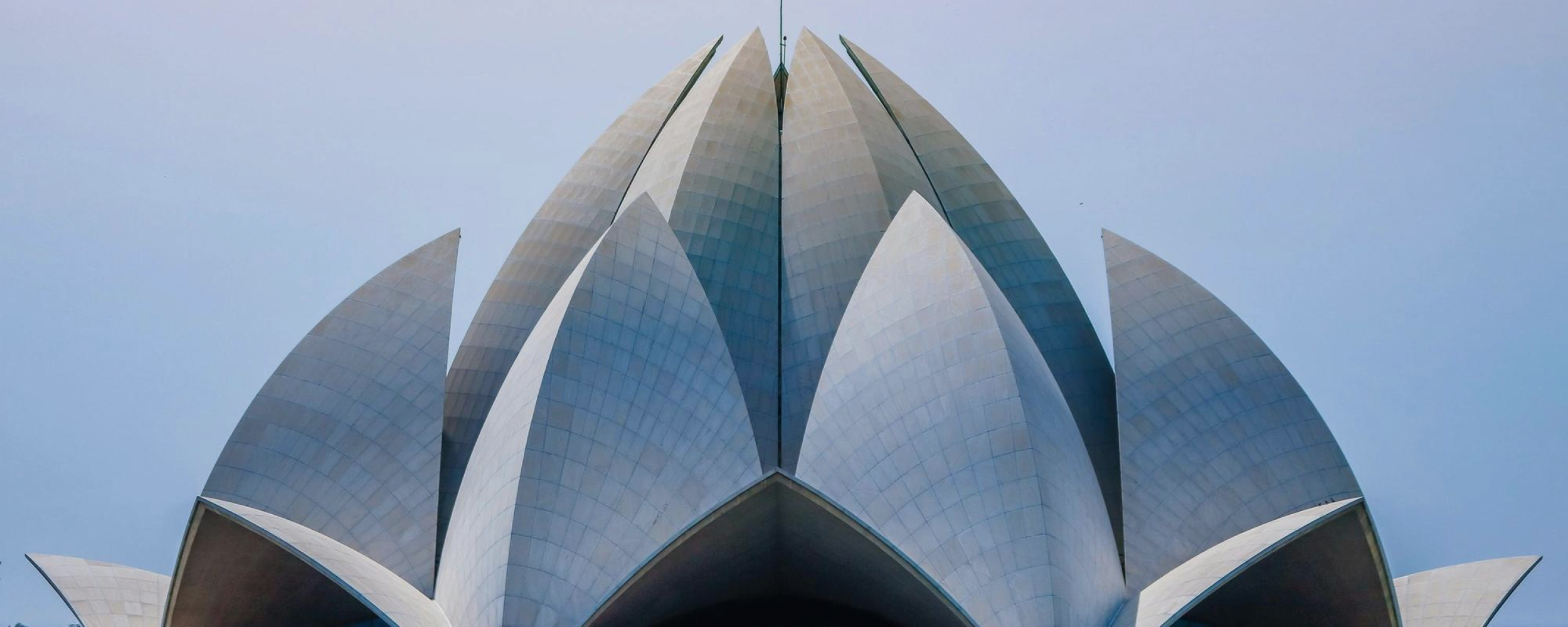
Lotus Temple is a Baha’i House of Worship completed in 1986. Its nine white marble petals create a distinctive flower-like form visible from a considerable distance. The interior seats over 1,300 people and maintains a policy of complete silence — no sermons, no rituals, no music. People of all religions enter freely for quiet reflection. Entry is free. The temple opens Tuesday to Sunday from 9:00 AM to 7:00 PM in summer and 9:30 AM to 5:30 PM in winter. The nearest metro station is Kalkaji Mandir Metro Station on the Violet and Pink lines.
Chandni Chowk — Old Delhi at Full Volume
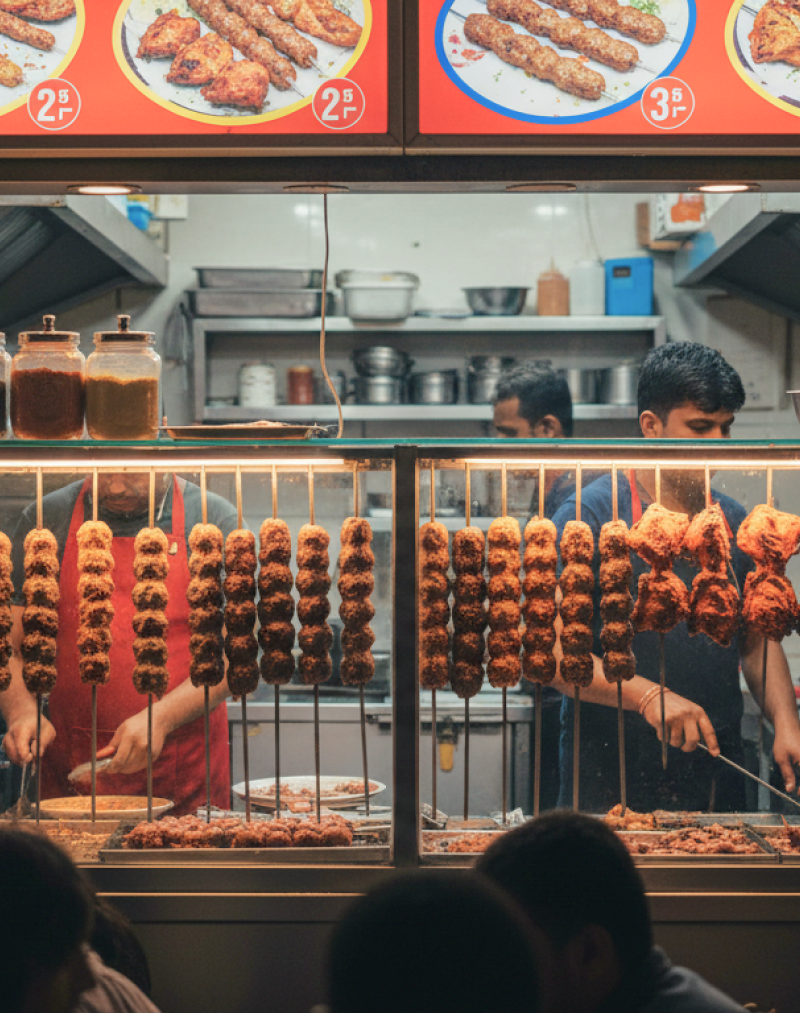
Chandni Chowk is the commercial and culinary heart of Old Delhi, built in the 17th century by Shah Jahan’s daughter Jahanara. Today it carries spice merchants, fabric wholesalers, jewellers, and some of Delhi’s most celebrated street food in a single dense corridor. The parantha stalls of Paratha Wali Gali, the jalebis of Old Famous Jalebi Wala, and the chaat stalls throughout the market all cost Rs 30 to Rs 100 per serving. The nearest metro station is Chandni Chowk Metro Station on the Yellow Line. For NRI visitors and international tourists paying at street food stalls and market vendors, Mony makes UPI payments seamless — it is a travel finance app that lets NRIs and tourists pay like locals using UPI with no foreign card fees.
Humayun’s Tomb — The Garden Tomb That Inspired the Taj
Humayun’s Tomb was completed in 1570 and introduced Persian-style charbagh (four-part garden) design to India. The double dome, red sandstone facade, and precise geometric gardens directly influenced the design of the Taj Mahal, built 72 years later. The complex is a UNESCO World Heritage Site and considerably less crowded than either the Red Fort or Qutub Minar. Entry costs Rs 40 for Indian nationals and Rs 600 for foreign visitors. The tomb opens daily from sunrise to sunset. The nearest metro station is JLN Stadium Metro Station on the Violet Line.
National Museum — Five Millennia of Indian History
National Museum on Janpath covers over 5,000 years of Indian art, history, and culture across more than 200,000 exhibits. The Indus Valley Civilisation gallery, the Mughal miniature painting collection, and the Buddhist sculpture section are the three strongest areas. Allow two to three hours for a focused visit. Entry costs Rs 20 for Indian nationals and Rs 650 for foreign visitors. The museum opens Tuesday to Sunday from 10:00 AM to 6:00 PM. The nearest metro station is Udyog Bhawan Metro Station on the Yellow Line.
Practical Tips for First-Time Visitors to Delhi
Delhi’s metro network is the most efficient way to move between these sites. A tourist day pass costs Rs 200 and covers unlimited travel across the network for one day. The Yellow Line connects Chandni Chowk, Central Secretariat, and Udyog Bhawan — covering four of the seven stops on this list in a single line. Wear comfortable shoes throughout, as the monument complexes involve considerable walking on uneven surfaces. Mony handles all payments across a Delhi day trip — metro tokens, entry fees, street food, and auto fares all settle via UPI scan without foreign card fees or currency exchange complications.




Leave a Reply